Insider Spotlight
The move underscores PAL’s strategy of maximizing capacity on high-demand routes by using larger aircraft rather than adding more frequencies, allowing the airline to serve more travelers while maintaining operational efficiency.
Why it matters
Wide-body aircraft deployment enables PAL to significantly increase the number of seats available per flight, addressing peak travel demand driven by tourism and business traffic.
It also helps ease congestion at busy airports by consolidating passenger volume into fewer but higher-capacity flights.
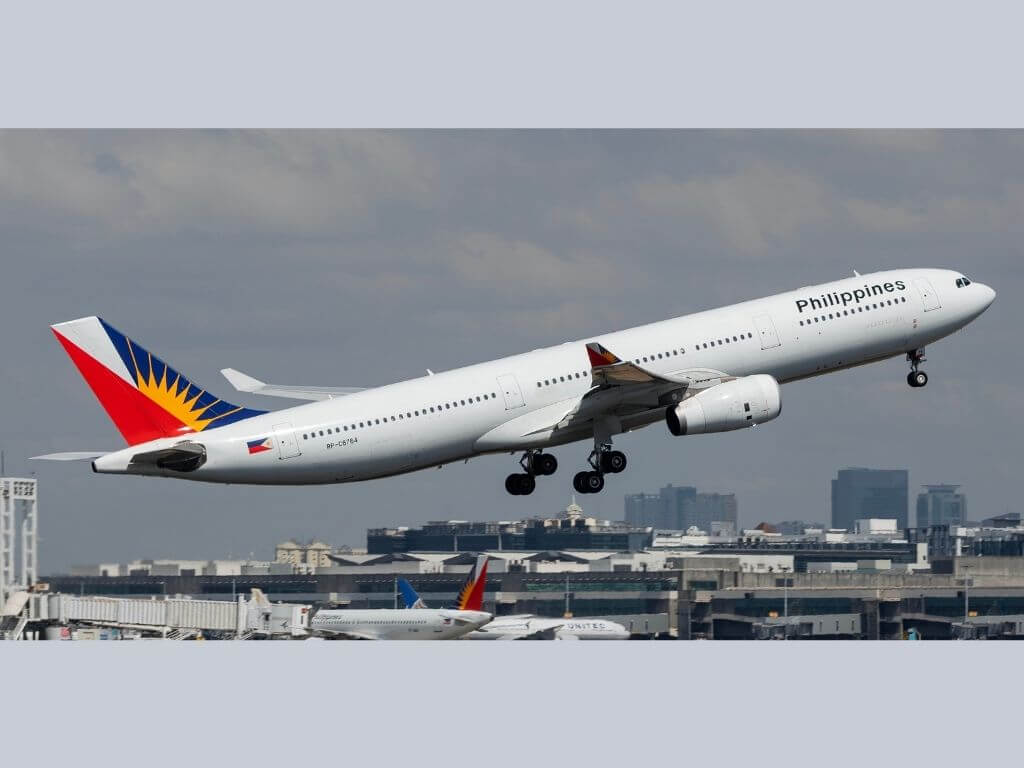
The aircraft
PAL’s Airbus A330-300 is configured with a total of 363 seats, including 18 in Business Class, 33 in Comfort Class, and 312 in Economy Class.
This configuration allows the airline to cater to a broad range of travelers, from premium passengers to budget-conscious tourists, while delivering a consistent onboard product across its network .
“Utilizing our wide-body fleet on flights to Puerto Princesa will enhance operational efficiency, improve overall customer satisfaction, and also provide Palawan residents more opportunities to explore the Philippines and the rest of the world,” Capt. Roland Narciso, PAL senior vice president for operations group, said in a press release on Dec. 12, 2025.
“We have been working closely with airport authorities for a smooth transition to widebody operations in Puerto Princesa.”
Flight schedule
Starting Dec. 17, PAL is operating the Airbus A330 on the Manila–Puerto Princesa route three times weekly, every Monday, Wednesday, and Friday.
Flights depart Manila at 5:30 a.m. and arrive in Puerto Princesa at 7 a.m. The return service departs Puerto Princesa at 8:10 a.m. and arrives in Manila at 10 a.m. .
Ticket pricing
To further stimulate travel, PAL is offering its lowest one-way base fare to Puerto Princesa starting at P688, making the destination more accessible to domestic travelers and supporting tourism growth in Palawan .
Beyond passengers
In addition to carrying more travelers, the use of widebody aircraft boosts cargo capacity, enabling increased freight movement and creating more efficient shipping options for local businesses.
The expanded capacity also strengthens connections for passengers arriving from select international destinations via PAL’s Manila hub .
The bottom line
By pairing widebody aircraft deployment with competitive pricing and early-morning schedules, Philippine Airlines is positioning itself to move more passengers per flight while supporting tourism, trade, and regional connectivity. —Vanessa Hidalgo | Ed: Corrie S. Narisma