Insider Spotlight
The project signals sustained foreign investor confidence in Philippine industrial zones, particularly export-oriented estates with integrated infrastructure and incentives. It also underscores Batangas’ emergence as a key corridor for manufacturing and logistics.
The big picture
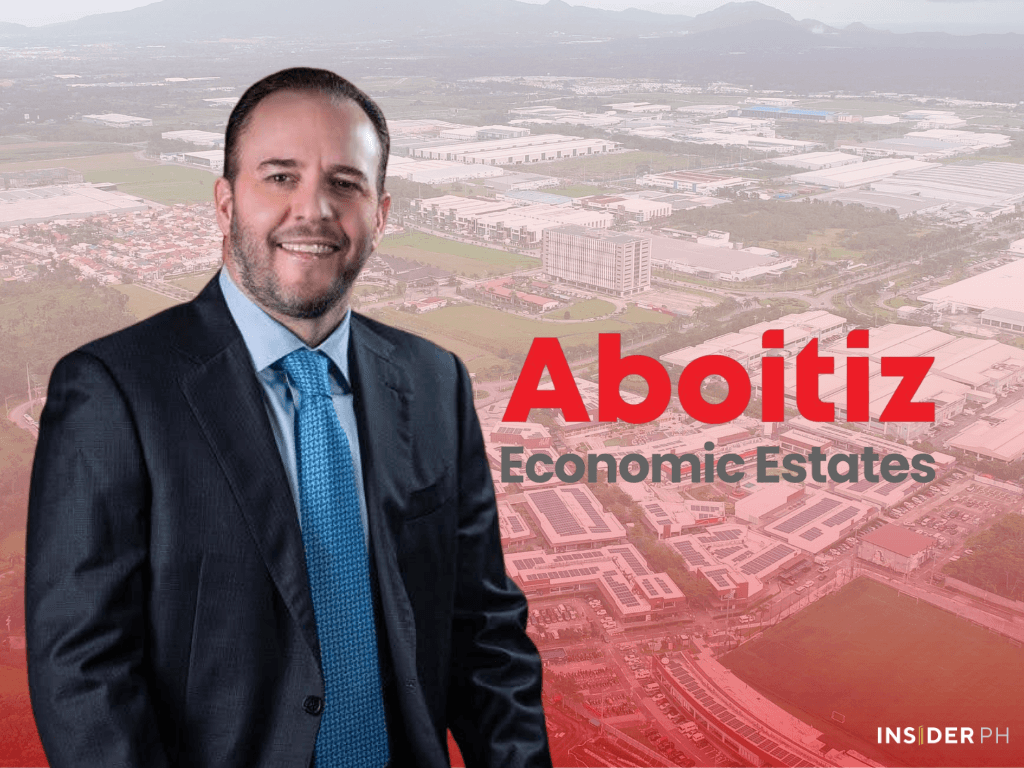
Maxort’s new facility will rise within LIMA Estate, a Peza-registered economic zone known for hosting global manufacturers and providing end-to-end industrial support.
The development aligns with broader efforts to strengthen global supply chains while localizing production capabilities.
The company cited the country’s skilled workforce, infrastructure reliability, and investment incentives as key drivers behind its expansion decision.
“We chose LIMA Estate because the Philippines offers a strong foundation for growth. Its skilled workforce, reliable infrastructure, and supportive incentives allow us to scale responsibly while creating meaningful jobs for the local community,” Jinjun Zhao, president of Maxort Philippines Inc., said in a press statement.
By the numbers
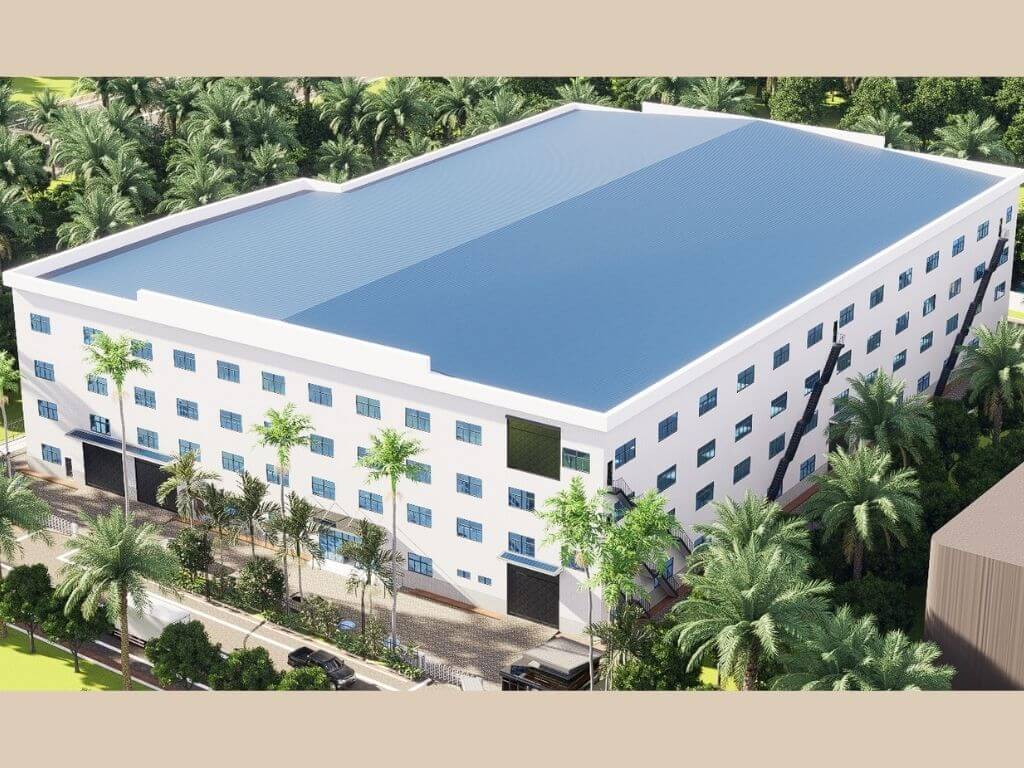
The project represents a P400-million investment and is expected to create construction and long-term employment opportunities once operations begin. The fittings facility is scheduled to start operations by the end of 2026.
Zoom in
LIMA Estate currently hosts nearly 200 locators employing tens of thousands of workers, making it one of the country’s largest privately owned industrial estates.
Its integrated model combines industrial, commercial, and residential components, offering locators operational efficiency and workforce accessibility.
“Maxort’s expansion through LIMA Estate demonstrates the strength of the Philippine market for global manufacturers,” said Aboitiz Economic Estates vice president Monica Lorenzana Trajano.
What’s next
The estate is planning further expansion over the coming years, positioning itself to attract more foreign direct investments and support long-term industrial growth.
For Maxort, the Batangas facility is expected to serve as a critical node in its global supply chain while contributing to local economic development through job creation, supplier engagement, and skills training. —-Vanessa Hidalgo | Ed: Corrie S. Narisma