Insider Spotlight
The warning comes as the ASEAN Consumer Scam Study found that 52 percent of Filipinos have been scammed at least once in their lifetime, a higher rate than many of the country’s Southeast Asian neighbors.
Data from the Global Anti-Scam Alliance also showed Filipinos encounter scam attempts almost every two days, averaging 239 scam encounters a year and losing an estimated P11,896 per person.
Why it matters
Scammers are moving beyond generic phishing attempts and using AI to create highly personalized messages that mimic banks, telecommunications providers, government agencies, and even people victims know and trust.
Rakuten Viber identified several emerging threats, including hyper-personalized phishing, where fraudsters use publicly available information to craft convincing messages, and AI-generated imposter scams that use deepfake technology to replicate voices and speech patterns.
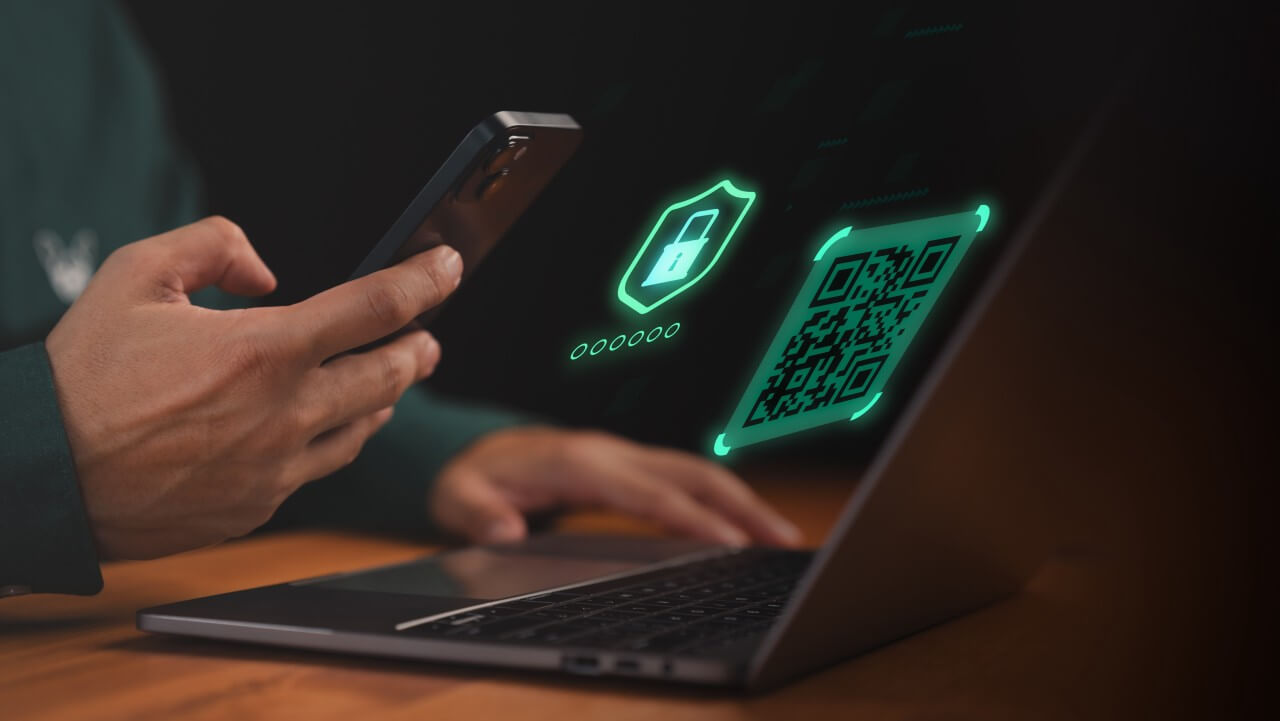
Another growing threat is QR phishing, or “quishing,” which embeds malicious links in QR codes that can redirect users to fake banking and e-wallet login pages or install malware on devices. Online shoppers also face risks from fake e-commerce websites designed to resemble legitimate retailers.
The big picture
As scams become more sophisticated, digital trust is increasingly being tested. For consumers, distinguishing between legitimate and fraudulent communications is becoming more difficult as cybercriminals exploit both technology and human behavior.
What Rakuten Viber is doing
To help combat fraud, Rakuten Viber uses a hybrid moderation model that combines machine learning technology with human oversight to identify and block accounts suspected of spam and scam activities.
The platform automatically filters messages from unknown contacts into a separate "Message Requests" folder, helping users screen potentially suspicious communications before engaging with them.
Users can also block or report individuals, groups, and communities suspected of fraudulent behavior.
Viber's Caller ID feature can help users identify and flag suspicious calls, while privacy controls allow users to manage who can add them to group chats.
These features complement the platform's end-to-end encryption technology, which protects one-on-one and group conversations from unauthorized access.
“Scams are a pervasive, damaging part of our digital life. They are a serious issue that could cost a lifetime’s worth of savings and bring mental distress. Even the most careful people can fall for scams; these cybercriminals don’t care who they steal from,” said Liad Shnell, chief technology officer at Rakuten Viber.
What consumers can do
Rakuten Viber also encourages users to adopt simple safety habits, including verifying the source of messages, avoiding unsolicited links and attachments, assigning family safe words for identity verification, and taking greater control of the personal information they share online.
“It’s also good practice to keep yourself aware and updated on how scammers are evolving, so you can be one step ahead of them and be prepared if you encounter them. In the end, their main goal is to get your money. If any transaction or conversation involves sharing personal and financial information, it’s better to be skeptical than sorry. Don’t give your details right away,” Shnell said.
As fraud tactics continue to evolve, staying informed may be one of the most effective ways for consumers to stay one step ahead of scammers and protect both their personal information and finances. —Princess Daisy C. Ominga | Ed: Corrie S. Narisma