Insider Spotlight
As more professionals juggle remote work, freelance projects, and online businesses, the ability to keep working despite internet or power disruptions is becoming increasingly important.
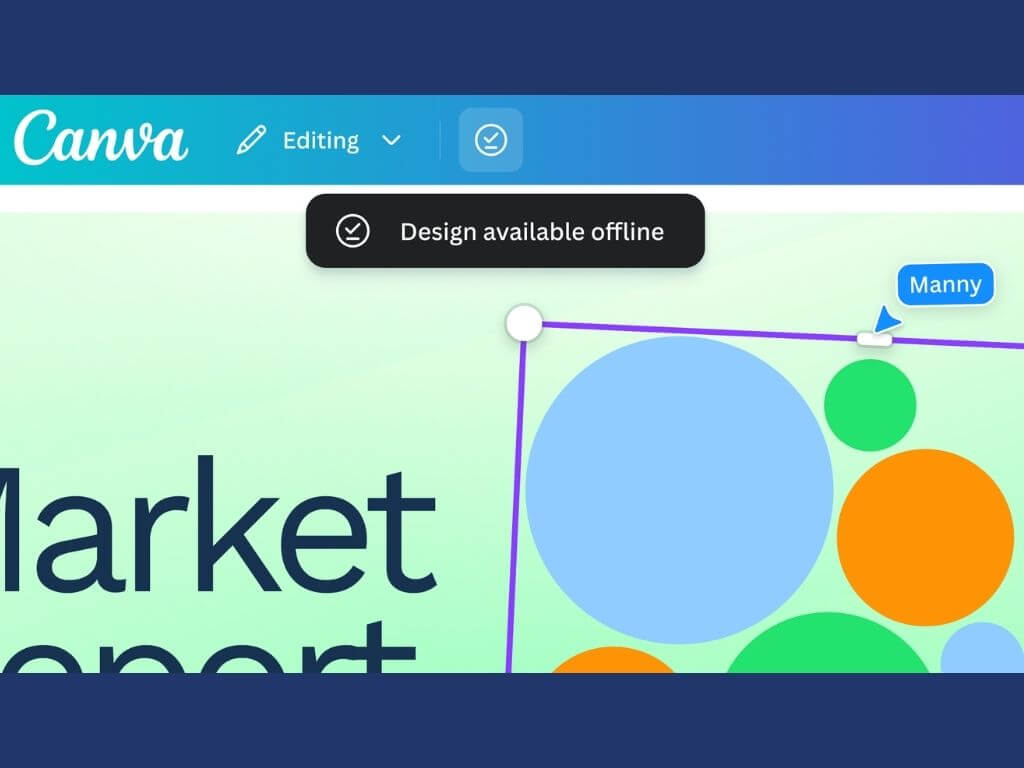
Canva is responding to this shift with Canva Offline, a feature that enables users to continue creating and editing designs without an internet connection. Once connectivity is restored, changes automatically sync, allowing users to resume work without losing progress.
Why it matters
Reliable productivity tools have become critical as flexible work arrangements gain traction, particularly in areas where connectivity and power interruptions remain common challenges.
Bataan-based content creator and brand designer Kredbylle Timbang said the feature addresses a recurring obstacle in managing client work remotely.
"Canva is the focal point of everything that I do," she said in a press statement. "Power interruptions are prevalent here, and they often disrupt my focus and creative flow while designing," she added.
Before offline editing became available, connectivity issues often forced her to pause projects, delaying work and affecting momentum.
"It really is a lifesaver to be able to edit offline when the power goes out unexpectedly," she said. "Even without power and internet, I can continue editing without disruption. I've made it a habit to save my projects offline so I can keep working and make sure I deliver quality outputs to clients on time."
The bigger picture
The growing number of Filipino freelancers, entrepreneurs, students, and creators has expanded demand for digital tools that support productivity regardless of location.
Business continuity increasingly depends not only on internet access but also on software that minimizes disruptions when connectivity fails.
Canva said the offline capability is intended to help users maintain creative workflows and meet deadlines even when working in environments with inconsistent internet access.
The feature reflects a broader industry trend of embedding resilience into productivity platforms as hybrid and remote work continue to evolve. —Vanessa Hidalgo| Ed: Corrie S. Narisma