Insider Spotlight
The 2,600-square-meter plant highlights how export-driven manufacturers are increasingly viewing the country as a viable base for high-quality, technology-led production.
The facility, located at Golden Mile Business Park, is designed to serve global markets, particularly the United States, and reflects a broader shift toward positioning Philippine economic zones as competitive manufacturing platforms beyond traditional labor-intensive industries.
Why it matters
Advanced manufacturing investments are closely watched because they bring higher value-added activity, skilled jobs, and export earnings.
NanoForge’s facility demonstrates how the Philippines can attract companies looking to diversify supply chains while maintaining global quality standards.
The company said the plant represents an initial investment of nearly $1.2 million and currently employs 65 skilled professionals, with plans to grow its workforce to about 250 employees by 2027 as export demand expands.
What they’re saying
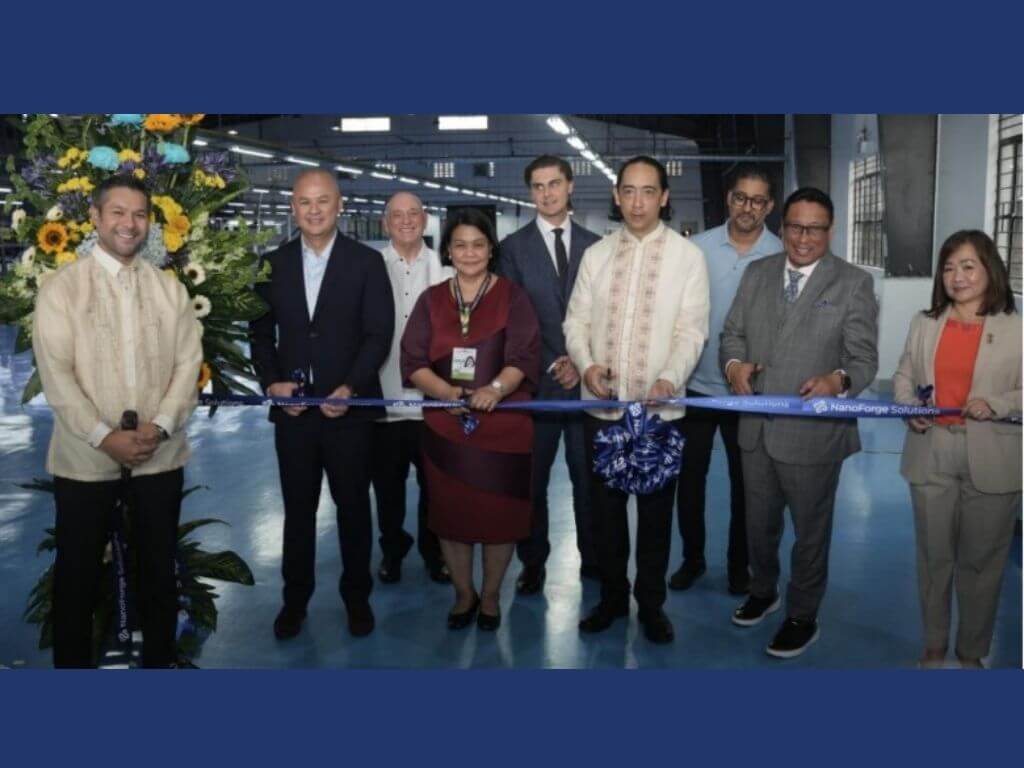
During the inauguration, company leaders and government officials emphasized the role of innovation and international collaboration in strengthening the local manufacturing ecosystem.
NanoForge co-founder Victor Aliwalas underscored the company’s commitment to building sustainable, value-added industries in the Philippines, while CEO and co-founder Michael Hansson highlighted the firm’s long-term expansion roadmap and global quality focus during a guided tour of the facility .
Representatives from the Philippine Economic Zone Authority (Peza), local government, and foreign chambers of commerce echoed the view that export-oriented facilities like NanoForge’s can help elevate the country’s industrial profile.
Between the lines
The Carmona plant was converted from an underutilized warehouse into a modern manufacturing site designed to meet global safety and environmental standards.
Its export focus aligns with the government’s push to attract higher-value foreign investment into Peza-registered zones.
NanoForge also plans to integrate locally sourced raw materials and natural waste by-products into its production processes, tying export manufacturing growth to sustainability and local supply chain development.
What’s next
Beyond its own expansion, NanoForge aims to help attract additional global manufacturing mandates to the Philippines, particularly from companies seeking alternatives to China-centered supply chains.
Company executives said the inauguration marks only the first step in a broader strategy to support the country’s emergence as a preferred destination for high-value, export-oriented manufacturing investment. —Vanessa Hidalgo | Ed: Corrie S. Narisma