
Insider Spotlight
Why it matters
As handloom fabrics gain popularity in fashion and tourism, weavers say they face mounting threats from counterfeit products, unfair market access, weak IP protection, and lack of recognition as cultural bearers.
These pressures, they argue, push traditional weaving closer to extinction.
Driving the news
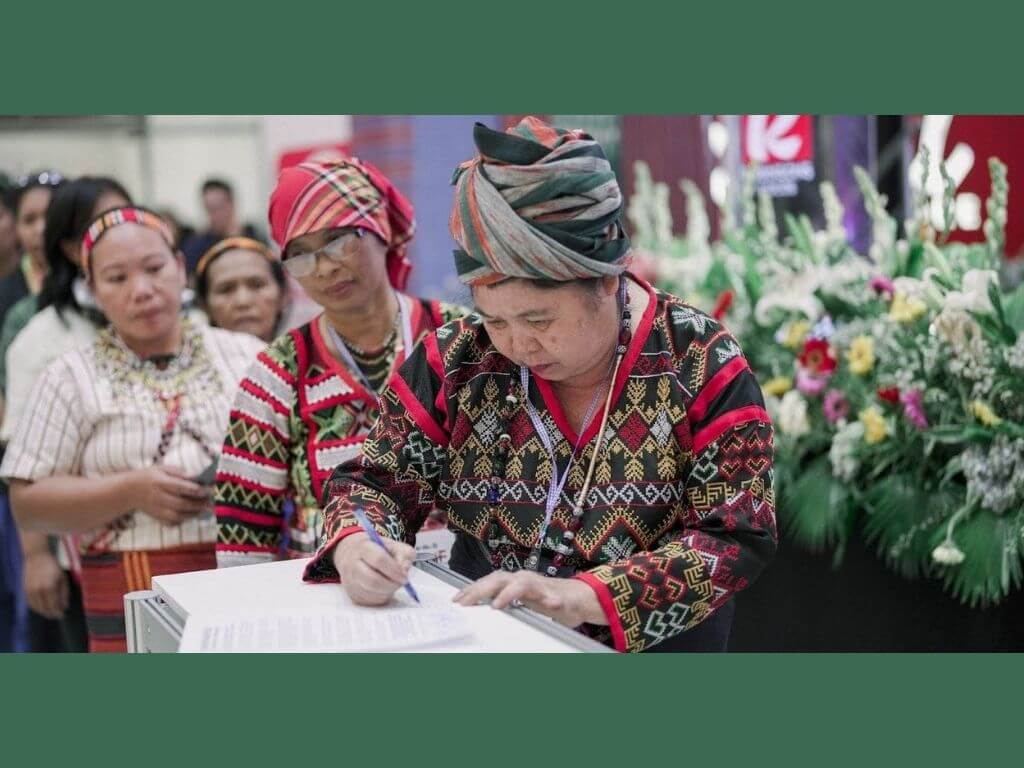
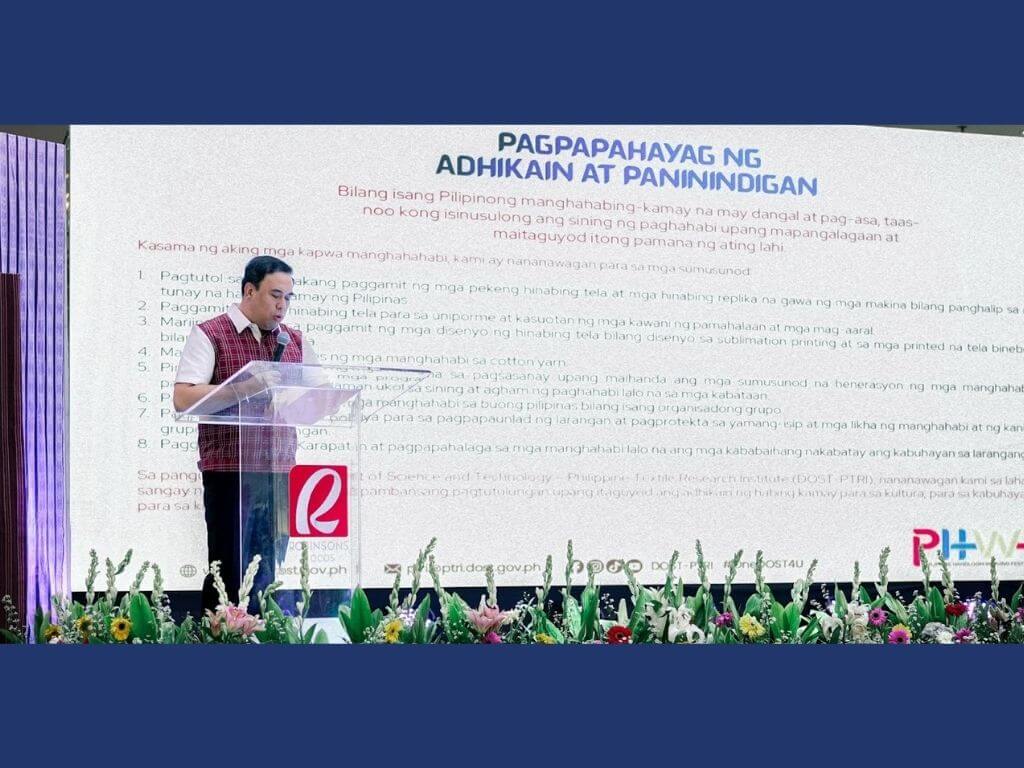
The Department of Science and Technology–Philippine Textile Research Institute (DOST–PTRI) formally launched the Weavers Manifesto at the 1st Philippine Handloom Weaving Festival in Ilocos Norte, gathering more than 120 weavers from over 40 communities to sign the document.
The manifesto consolidates eight urgent demands, including opposition to fake woven textiles, the use of handloom fabrics for government and school uniforms, broader access to natural-fiber yarns, expanded training for the next generation of weavers, stronger IP protections, and national unification of weaving groups.
Voices from the ground
For many communities, weaving is not just cultural heritage but a lifeline. Marlyn Muyana of the Baraclayan Weavers Association shared in a press release on Dec. 10 2025 how weaving lifted their barangay from deep poverty.
“Before the weaving center was established, our barangay was considered one of the poorest in the municipality … Today, we are proud to say that we have no out-of-school youth in our community.”
DOST–PTRI Director Dr. Julius Leaño Jr. echoed the urgency, appealing, “Please do not buy fake handloom woven fabrics because you are not just depriving them of their livelihood. You are depriving them of their culture.”
By the numbers
The four-day festival generated over P2 million in sales from handloom-woven products and drew more than 1,000 participants, marking a major commercial boost for weaving communities.
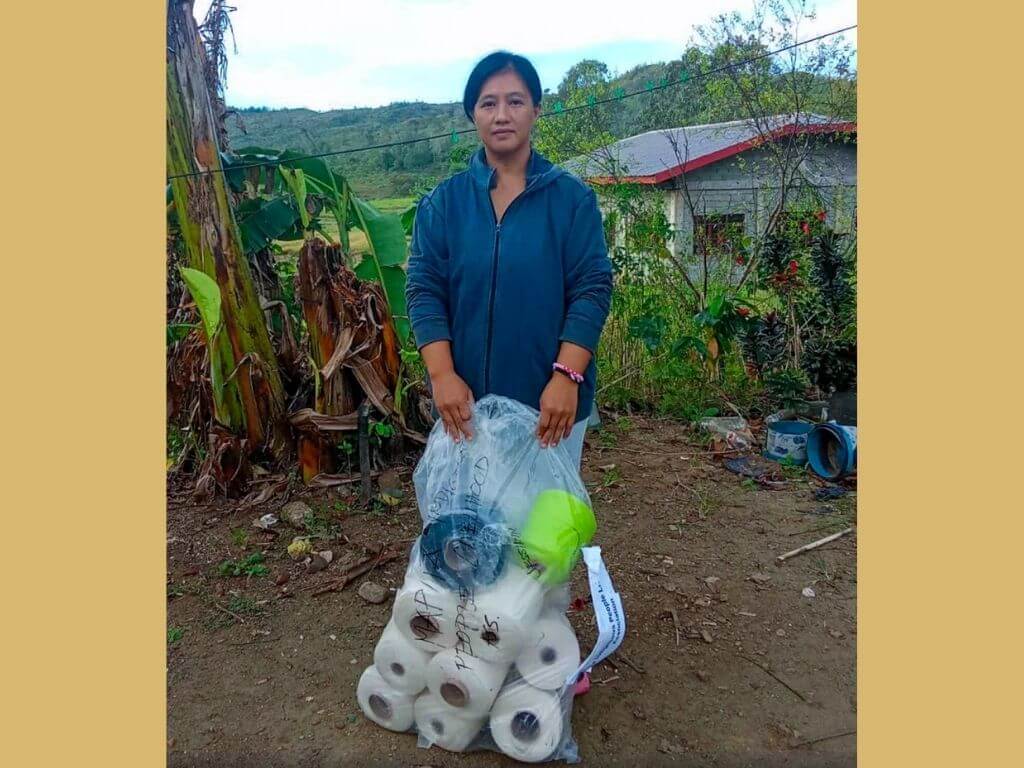
About 600 kilograms of cotton yarn were also distributed under the CottonPH Weaving Movement to reduce reliance on imported yarns.
What’s next
With a new cotton spinning facility inaugurated in Ilocos Norte, local yarn production is expected to accelerate—offering hope that authentic Philippine textiles can reclaim market space from replicas while empowering weavers to secure their cultural and economic future. —Vanessa Hidalgo | Ed: Corrie S. Narisma