Insider Spotlight
Nuclear experts said the country's archipelagic geography requires a combination of reactor technologies, with smaller facilities potentially serving regional power requirements while conventional nuclear plants support larger electricity networks.
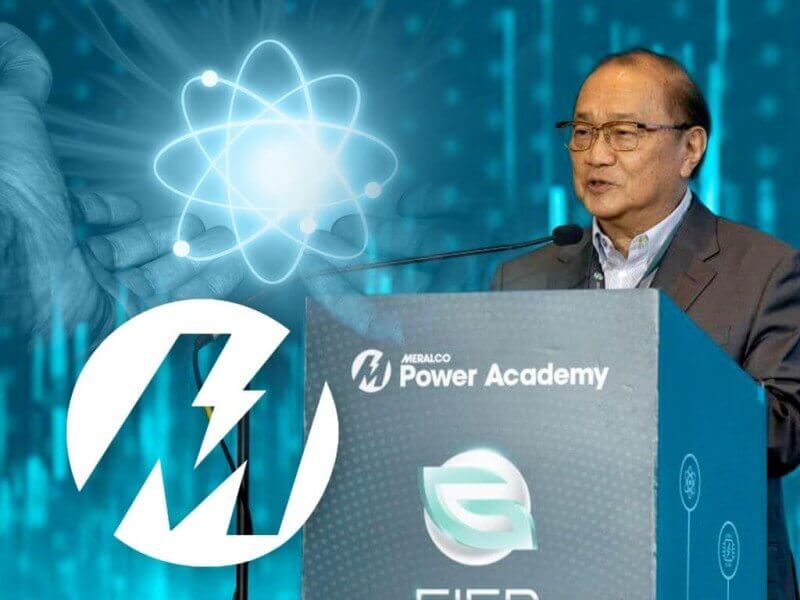
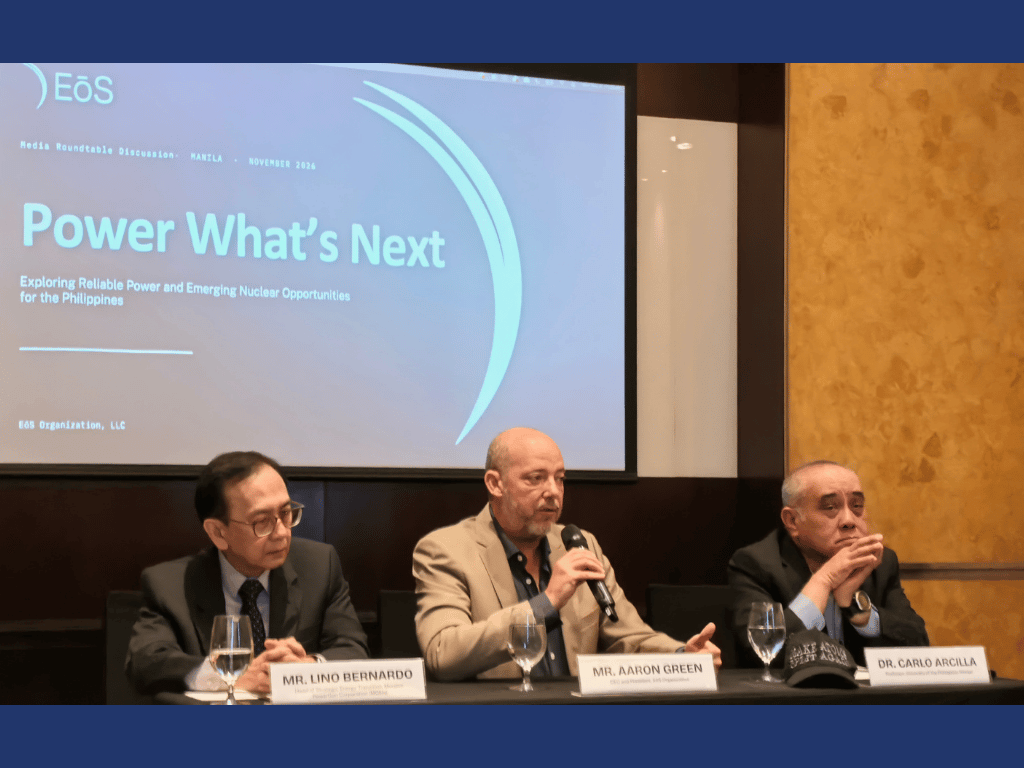
Meralco PowerGen Corp. (MGEN) head of strategic energy transition Lino Bernardo said the choice between large nuclear power plants and SMRs would depend on financial feasibility, regulatory readiness, and local community acceptance.
Less complexities with SMRs
“So our islands cannot take a large nuclear reactor because the grid is not strong. The demand is not that large in our small islands. But Luzon can take a large nuclear reactor,” Bernardo said during the media forum.
“So you need both in the long run. What will decide which one comes in first? Again, it goes back to the regulator,” he added.
SMRs typically generate up to 300 megawatts of electricity per unit and can be manufactured in factories before installation, potentially reducing construction complexity and allowing developers to expand capacity incrementally.
Consumer affordability
Dr. Carlos Arcilla, former director of the Philippine Nuclear Research Institute, said smaller reactors could also offer financial advantages by allowing developers to generate revenue from initial units while installing additional capacity.
“The downside for me on big reactors is really only on the capital outlay. It's extremely expensive,” Arcilla said.
He also highlighted the importance of site preparation and containment infrastructure, which can account for a substantial portion of nuclear project costs.
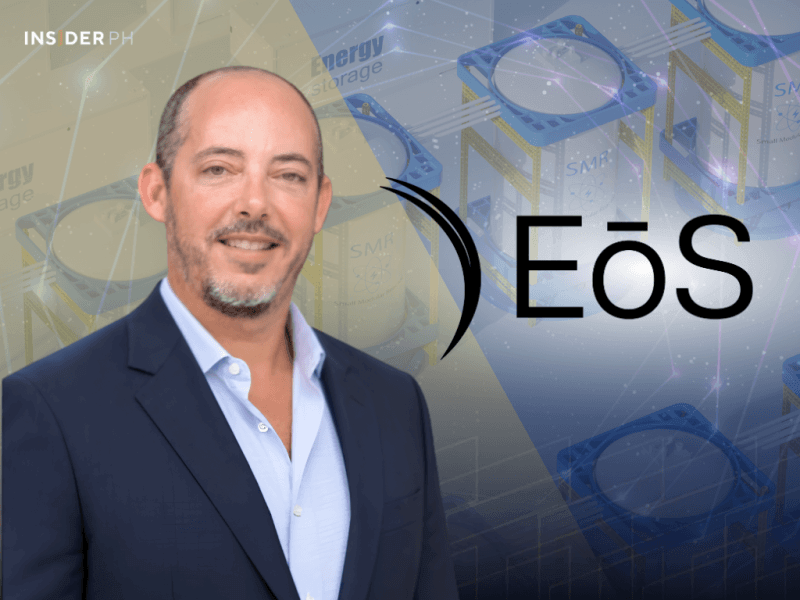
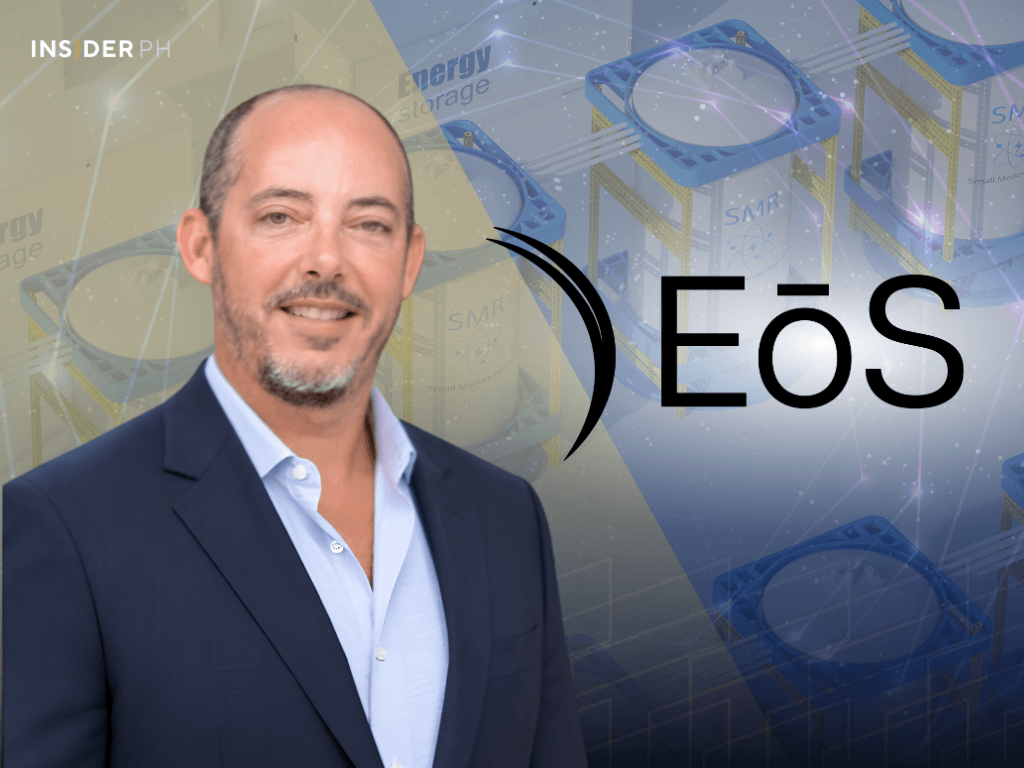
During the media roundtable, US-based EōS Organization president and CEO Aaron Green said nuclear technology selection should reflect actual electricity requirements and consumer affordability.
“The Philippines needs reliable electricity at a cost that allows its industries to grow. We should begin by understanding where the demand is, how much power is required, and what consumers can afford. From there, we can identify the nuclear technology that makes the most sense for the project,” Green said.
Workforce development
EōS is exploring opportunities involving factory-built high-temperature gas-cooled reactors using TRISO fuel and helium cooling.
Its Philippine development pathway includes engagement with the Bases Conversion and Development Authority, targeting a power requirement of 100 megawatts by 2028.
The company is also working with Fulbright Philippines on nuclear workforce development, technical training, and institutional readiness.
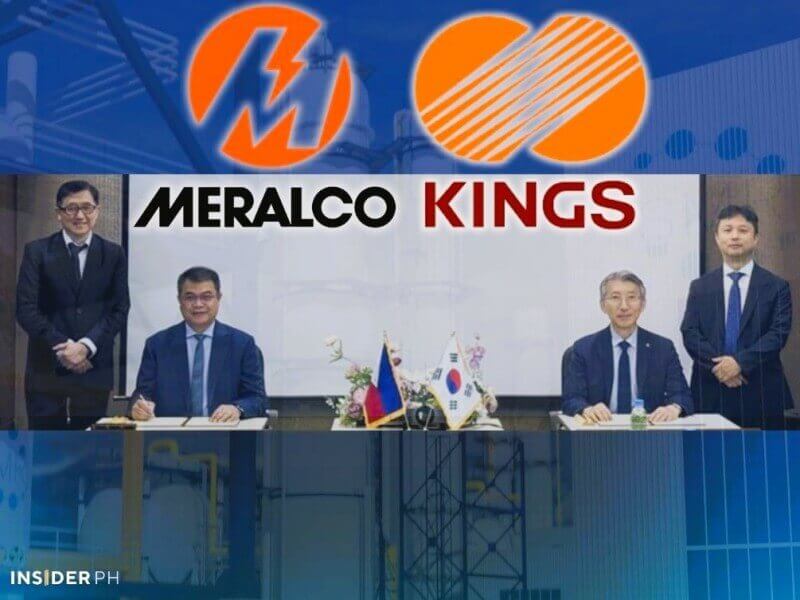
Meanwhile, MGEN is conducting an SMR feasibility study supported by a $2.8-million grant from the US Trade and Development Agency. The study is expected to be completed in the fourth quarter of 2027.
Nuclear waste management
The Philippines aims to introduce 1,200 megawatts of nuclear capacity by 2032, increasing to 2,400 megawatts by 2035 and 4,800 megawatts by 2050.
Arcilla said regulatory decisions, Department of Energy (DOE) policies, electricity pricing, and consumer impact would ultimately determine which nuclear technologies become commercially viable.
“It goes back to the policies that the DOE will come up with. It will also depend on the revenue streams and the cost impact to the consumer,” he added.
He also emphasized the need to address nuclear waste management, pointing to deep borehole disposal as a potential approach that would require further technical and regulatory assessment.
“So there's a plan and there's a technology for that. And we already have the technology for deep boreholes because we have geothermal drilling,” he explained. —Vanessa Hidalgo | Ed: Corrie S. Narisma