Insider Spotlight
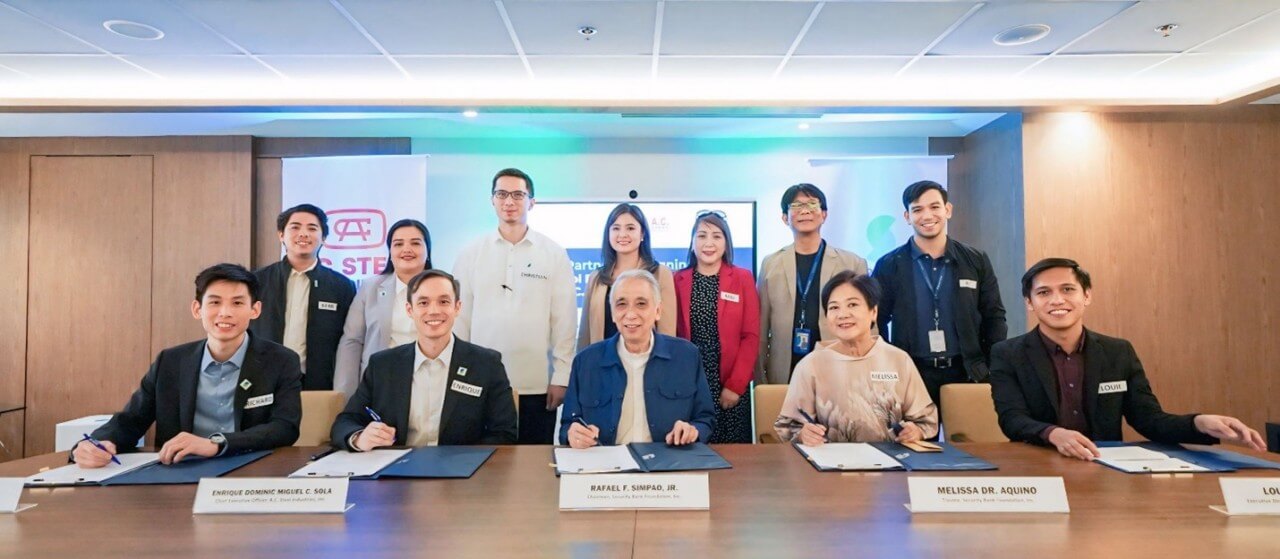
The agreement will fund 28 new classrooms across three high schools in Iloilo City, Dipolog City, and Maasin City.
A.C. Steel will supply metal decking and roofing materials, reinforcing the durability of structures in areas frequently exposed to extreme weather conditions.
Why it matters
The Philippines continues to grapple with a persistent classroom shortage, with overcrowding and substandard facilities affecting both student performance and teacher effectiveness.
Investments in physical infrastructure remain a foundational step toward improving education outcomes, particularly in underserved provincial areas.
Private sector involvement, such as this partnership, plays an increasingly important role in bridging resource gaps that government funding alone cannot fully address.
Zoom in
The collaboration emerged through Security Bank’s Bayanihan Para sa Silid Aralan campaign, which mobilizes clients to support education projects. A.C. Steel, a client of the bank, aligned its contribution with its core business of supplying construction materials.
In a company statement, the partners framed the initiative as part of a broader commitment to nation-building, emphasizing how infrastructure support directly contributes to better learning conditions and long-term student success.
What they’re saying
“We have always believed that meaningful banking relationships go beyond transactions,” said Fritzie Moog, area head for Makati 3, branch banking group, Security Bank Corp. “It is inspiring to see a client invest in the future of Filipino learners.”
“We are honored to support SBFI’s Build a School, Build a Nation Program,” said Enrique Sola, chief executive officer of A.C. Steel. “A sturdy, well-built classroom creates a conducive learning environment for students.”
Between the lines
The partnership reflects a broader shift in Philippine education, where corporations are becoming active contributors to human capital development, not just economic growth.
What’s next
SBFI aims to deliver 60 classrooms across eight public schools nationwide this year, scaling its impact through continued partnerships.
The bottom line
As classroom shortages persist, targeted collaborations like this highlight how business-led initiatives can deliver immediate, practical gains for Filipino students while supporting long-term education reform. — Princess Daisy C. Ominga | Ed:Corrie S. Narisma