Insider Spotlight
The big picture
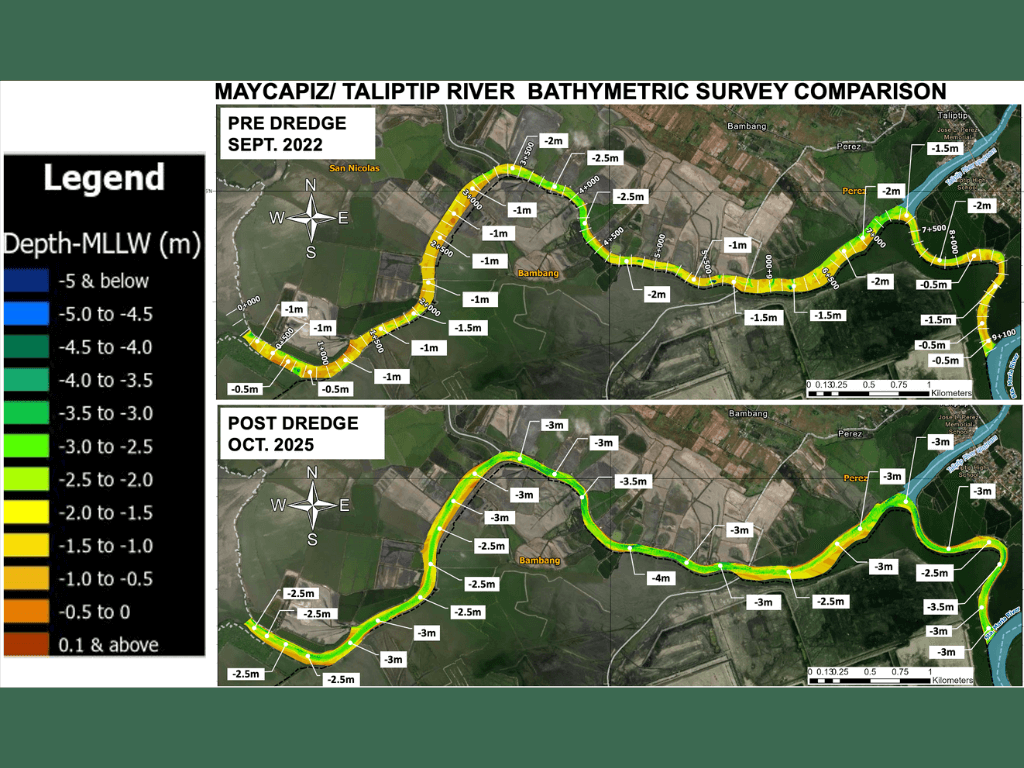
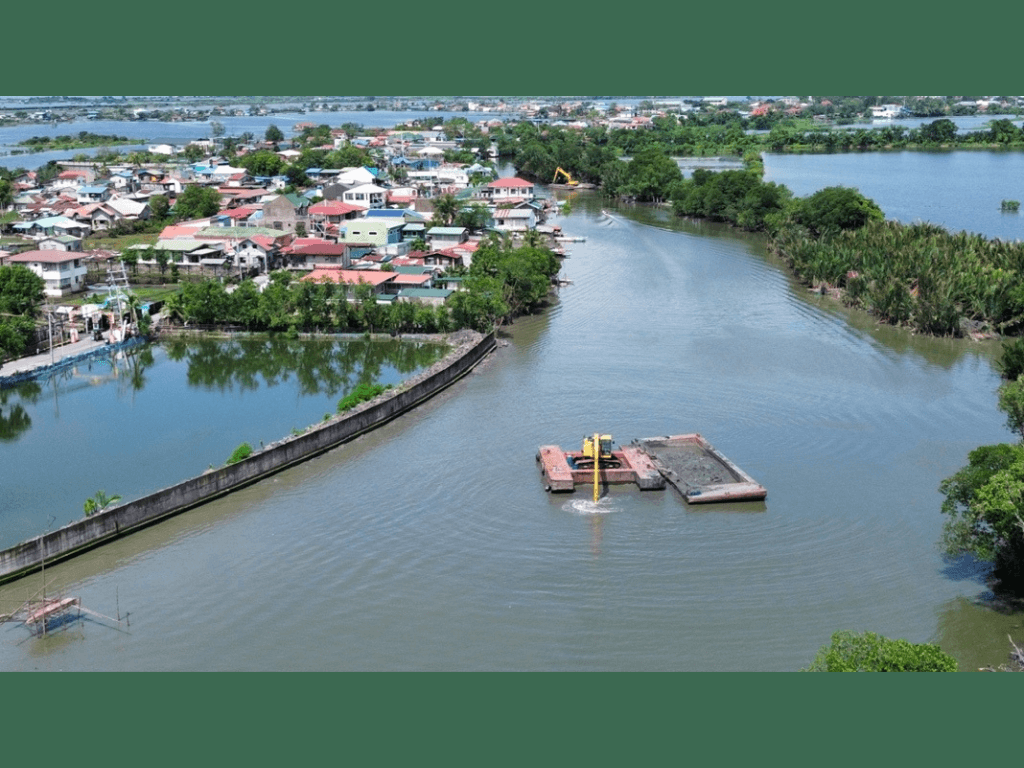
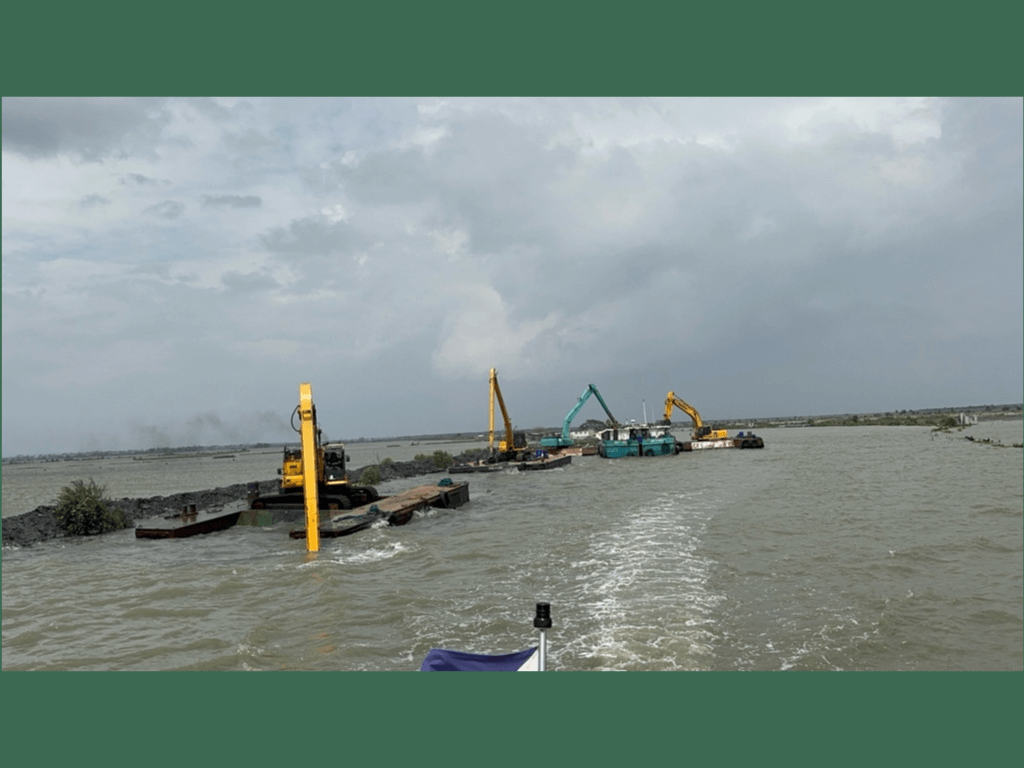
Over the past 10 months, San Miguel’s Better Rivers PH teams have extracted more than 500,000 tons of accumulated silt and garbage from a nine-kilometer stretch of the Maycapiz-Taliptip and Bambang rivers, which drain into Manila Bay and surround the New Manila International Airport (NMIA) site.
The work has deepened channels that were once knee-deep to over three meters — roughly the height of two adults standing one on top of the other.
The company has also extended its efforts to Bagumbayan River in the town of Bulakan, clearing some 91,000 tons of silt and waste from 3.3 kilometers of the waterway to help keep flows moving toward the bay.
What they are saying
“Rivers that surround the New Manila International Airport project have a vital function — to drain waters from eastern Bulacan rivers, out to Manila Bay. That is why it’s critical that we continuously clean them, and even deepen and expand where needed, to ensure better flood protection and mitigation, not just for the airport, but for eastern Bulacan municipalities in the Bulacan sub-river basin,” San Miguel chair and CEO Ramon Ang said.
By the numbers
San Miguel’s earlier Bulacan program, which ran from October 2022 to September 2024, covered major rivers including Maycapiz-Taliptip, Bambang and Meycauayan, plus upstream tributaries. In 2024 alone, dredging of the three main rivers yielded over 1.5 million tons of silt. Monitoring has since shown fresh deposits from typhoons and heavy rainfall, prompting the resumption of cleanup operations.
Zoom out
Beyond eastern Bulacan, the company noted that western towns such as Hagonoy and Malolos remain vulnerable whenever water overflows or is released from Angat Dam, despite previous cleanups of Malolos Rivers, the Angat-Labangan River and Pampanga River.
“Keeping the rivers clean and flowing is our long-term commitment, and is integrated into the development and eventual operations of the NMIA. This means that continuous flood risk mitigation efforts for the airport will greatly benefit neighboring municipali<es and the rest of eastern Bulacan,” Ang said.
What to watch
San Miguel stressed that flooding in Bulacan is driven by sea-level rise, land subsidence from over-extracted groundwater, inadequate drainage and rapid urbanization — and that a permanent fix will require sustained coordination among national and local governments, the private sector and communities.
— Edited by Daxim L. Lucas