
Insider Spotlight
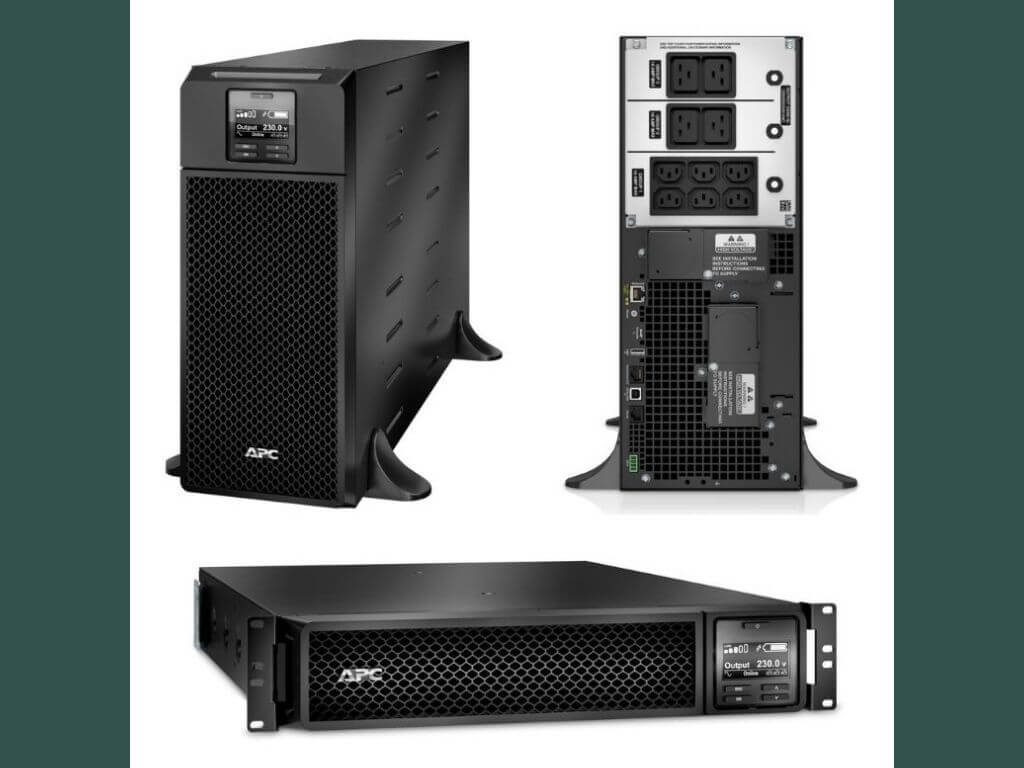
Schneider Electric is positioning its APC Smart Uninterruptible Power Supply (UPS) On-Line as one response to that risk, providing backup power and protection for equipment including point-of-sale terminals, computers, network hardware and servers.
Grid pressure
Rainy-season storms can cause interruptions, while El Niño-related demand surges can add pressure to the grid. Even when electricity supply is adequate, thin reserves, plant outages and demand spikes can leave businesses exposed to grid alerts and rotating brownouts, according to the company, citing the Institute for Climate and Sustainable Cities.
For digitally dependent MSMEs, even brief interruptions can stop transactions, delay orders, corrupt data or damage hardware.
Contingency measure no more
“Disruptions are becoming more frequent, and digital operations are now central to how MSMEs run their business,” Schneider Electric Philippines country solutions head Harold Lim said in a press statement. “That shift is changing how we think about resilience, it's no longer a contingency measure. It's becoming a competitive advantage,” he added.
Double conversion technology
The APC Smart-UPS On-Line uses double-conversion technology, continuously converting and conditioning incoming electricity before it reaches connected equipment rather than waiting for an outage to switch to battery power.
At full load, the system provides around four to six minutes of backup, with longer runtime as the connected load decreases. That window can allow businesses to safely shut down equipment or transition to another power source.
“A UPS protects critical systems from outages and other power abnormalities that can damage sensitive equipment. It also gives businesses time to shut down safely in case of prolonged outages,” Lim added.
Power protection
Schneider Electric manufactures UPS units in the Philippines, which account for 60 percent of its global UPS supply. Its APC Smart Factory in Cavite makes the country part of the company's global power-protection manufacturing network. —Vanessa Hidalgo | Ed: Corrie S. Narisma