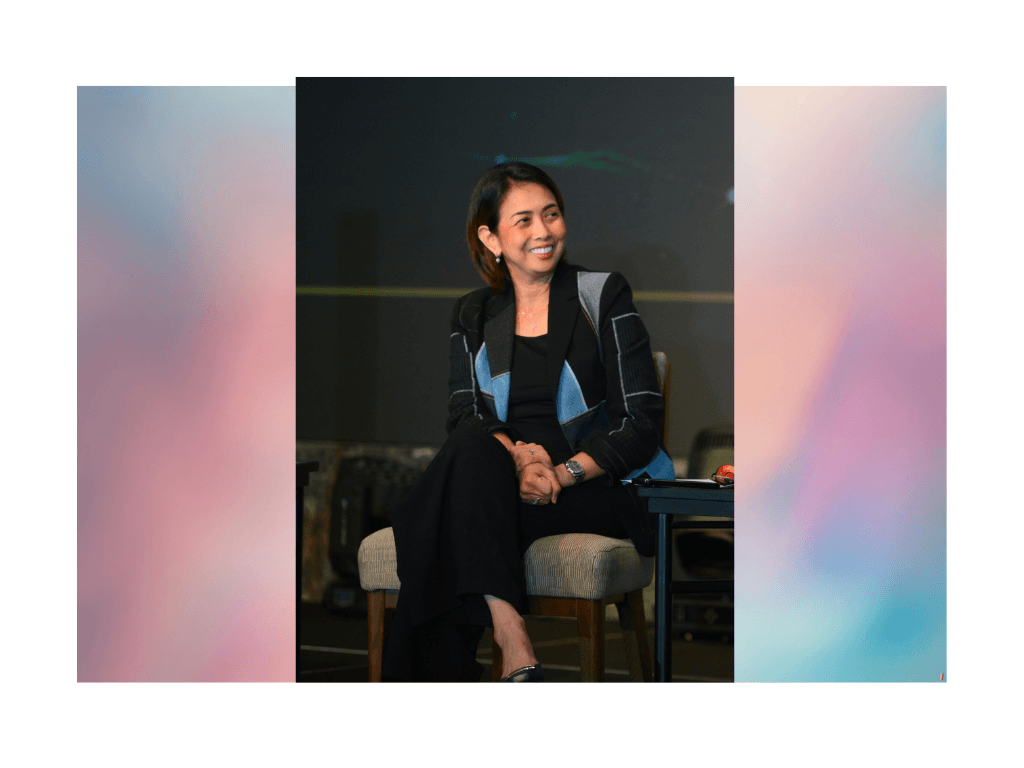
PLDT Global chief operating officer Edith Gomez-Cudiamat said technology can enable transformation, but corporate culture ultimately influences how effectively organizations execute their strategies.
“Culture commands acceleration of execution. It’s not the starting point. Culture influences behavior, and behavior delivers results,” Gomez-Cudiamat said at the ACC CXO Forum in Hong Kong.
The forum brought together executives from the telecommunications, technology, financial technology, hyperscaler and other business sectors to discuss leadership, growth, innovation and technological disruption.
Beyond technology
Companies are navigating rapid advances in AI alongside geopolitical and economic shifts and changing customer expectations, increasing pressure on organizations to respond more quickly to disruption.
Gomez-Cudiamat said businesses therefore need more than investments in new technologies. Employees must also be able to collaborate, adapt and make decisions as business conditions change.
At PLDT Global, she said, the company considers culture a business enabler that can help teams innovate and respond more quickly to the needs of customers and partners.
Its approach is anchored on collaboration, accountability and continuous learning, with employees encouraged to contribute ideas, question conventional approaches and take responsibility for outcomes.
Gomez-Cudiamat said an agile and empowered workforce can provide companies with a competitive advantage as technology continues to reshape industries and business models.
Strategy to execution
Drawing on the management maxim that “culture eats strategy for breakfast,” Gomez-Cudiamat argued that its influence extends into the everyday decisions that determine whether corporate plans are successfully executed.
“And I would respectfully add, culture also determines whether strategy survives the rest of the day. Because culture influences the thousands of decisions people make every day when no one is watching,” she said.
The issue becomes increasingly important as companies adopt AI-powered tools and new ways of working, she added.
While technology can provide new capabilities, sustainable transformation depends on how employees respond to change and work together across an organization.
Leadership role
Gomez-Cudiamat said corporate culture should not be viewed merely as a set of values or slogans but as the product of behavior demonstrated throughout an organization, particularly by its leaders.
“Culture is not the poster on the wall. Leadership drives culture and moves transformation forward,” she said.
She also urged companies to distribute decision-making and accountability more broadly instead of concentrating authority at the top.
“The challenge for leaders today is to create organizations where everyone can make decisions, volunteer solutions, and speak up,” Gomez-Cudiamat said.
“Leadership should not rest on a single individual. It should empower people throughout the organization.” —Ed: Corrie S. Narisma