Insider Spotlight
Why it matters
The rollout marks another step toward a more seamless, secure, and digitally enabled transit system, allowing commuters to use their existing Mastercard credit, debit, and prepaid cards—including via compatible digital wallets on NFC-enabled Android smartphones—to pay fares directly upon boarding.
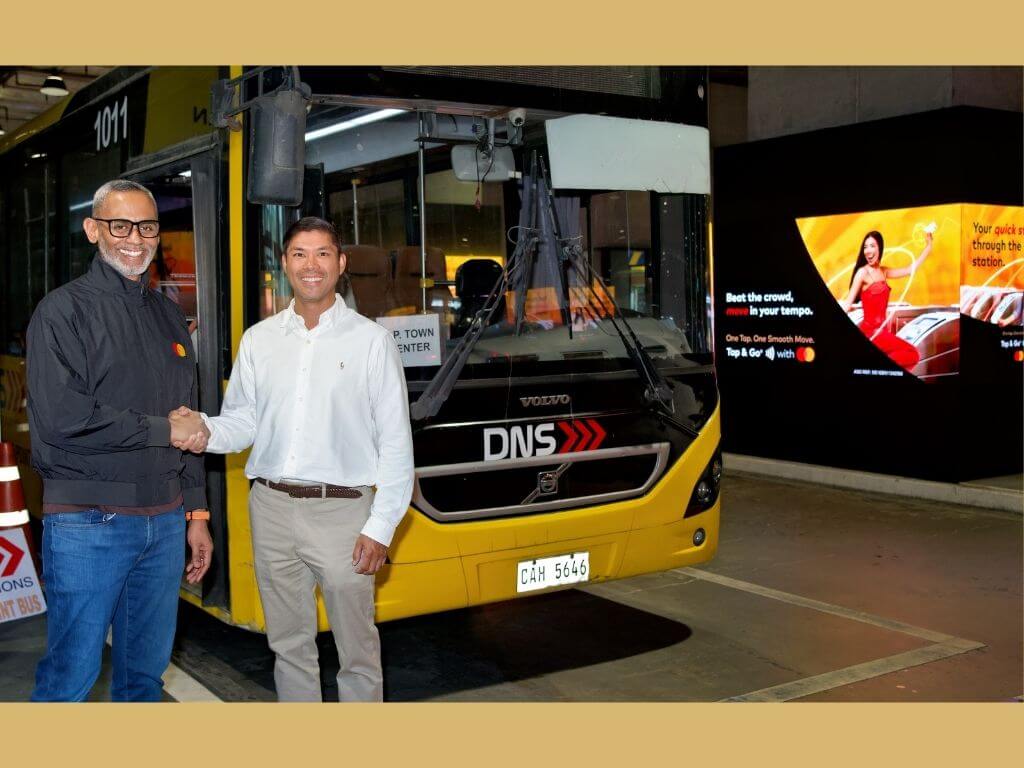
The first route to offer contactless acceptance connects UP Town Center in Quezon City and One Ayala in Makati City, with plans to expand to additional DNS P2P routes.
How it works
The system is powered by ADAPTIS, the payment acceptance platform of NTT DATA Payment Services Philippines Inc., which enables open-loop transit fare collection across DNS P2P buses.
Commuters can tap their Mastercard cards or supported digital wallets at the point of boarding, eliminating the need for cash or proprietary transit cards. Each transaction is backed by Mastercard’s security features designed to protect against skimming and fraud.
What they’re saying
“Urban mobility is evolving, and commuters expect the same flexibility in how they pay,” Steeve Mago, CEO of Delta NeoSolutions Inc. (DNS), said in a press statement on Feb. 24, 2026.
“Collaborating with financial players like Mastercard, which has an extensive payments network and reliable security solutions, supports DNS in its mission to modernize bus operations and make land transport more efficient and seamless for Filipinos,” he added.
“Digital payments are transforming how cities move,” said Jason Crasto, country manager of Mastercard Philippines.
“Seamless mobility should be a shared experience. Bringing open-loop payments to DNS P2P buses helps make commuting easier for thousands of people, while also supporting the long-term shift toward a more connected, digitally enabled transport network. Mastercard’s goal is to help create a future where every journey across the Philippines is frictionless, secure, and connected.”
The bigger picture
The initiative aligns with government efforts to improve urban mobility. DNS P2P buses serve workers, students, and families traveling daily across Metro Manila and nearby provinces.
The deployment builds on previous contactless payment rollouts across the Bonifacio Global City Bus network and MRT-3, further advancing the Philippines’ shift toward a cashless, connected transit ecosystem. —Vanessa Hidalgo | Ed: Corrie S. Narisma