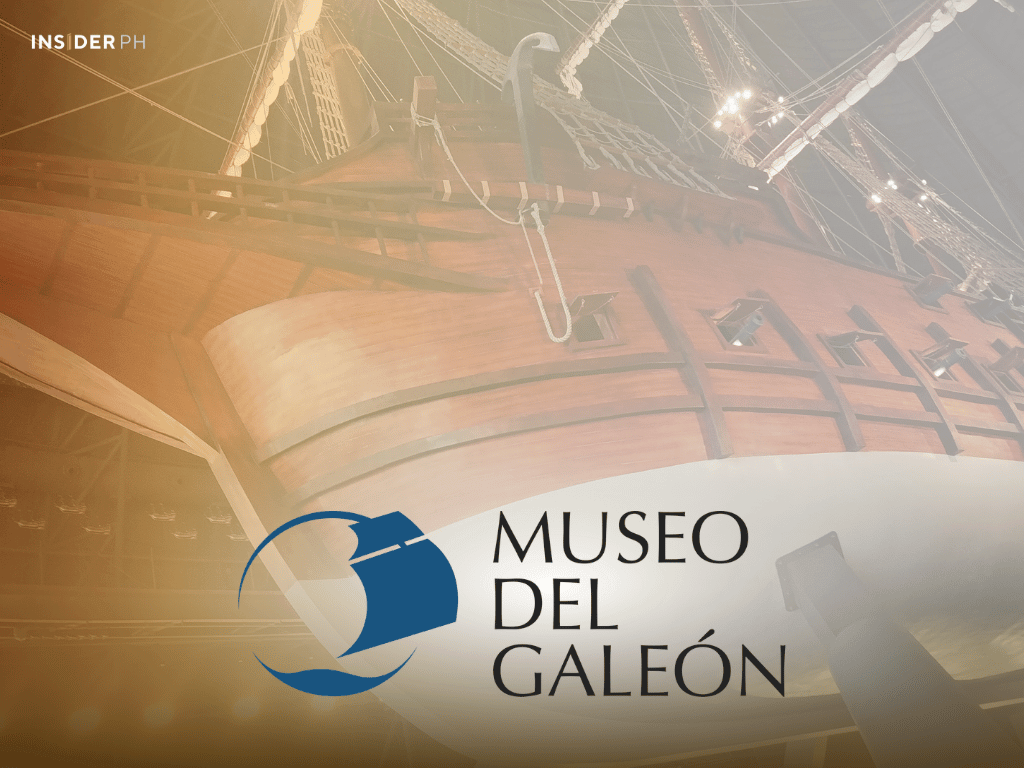
Housed in a striking four-level, dome-shaped structure spanning approximately 9,000 square meters, the museum presents itself as an experiential, interactive space—allowing visitors not just to see, but to feel, as a consequential part of history comes to life.
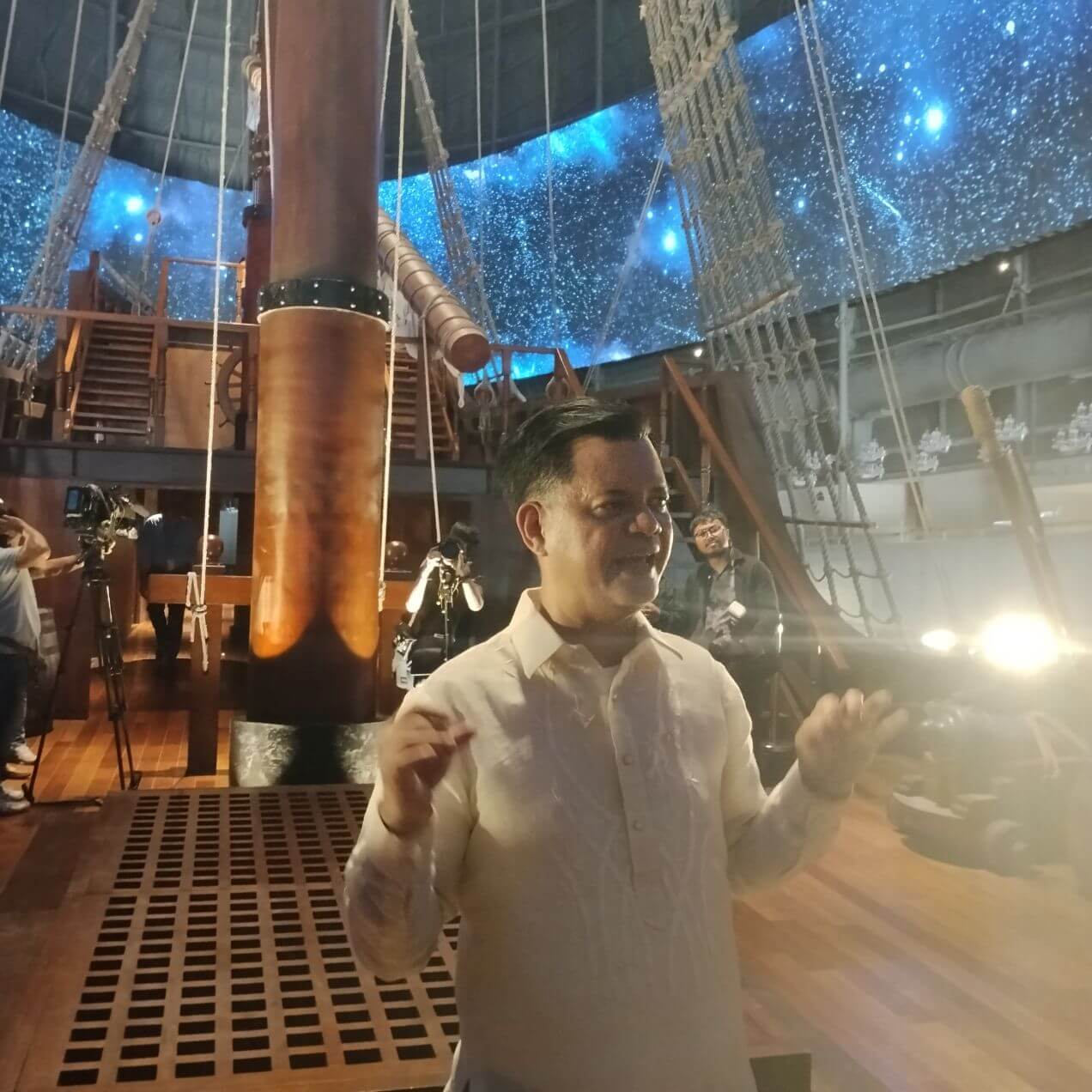
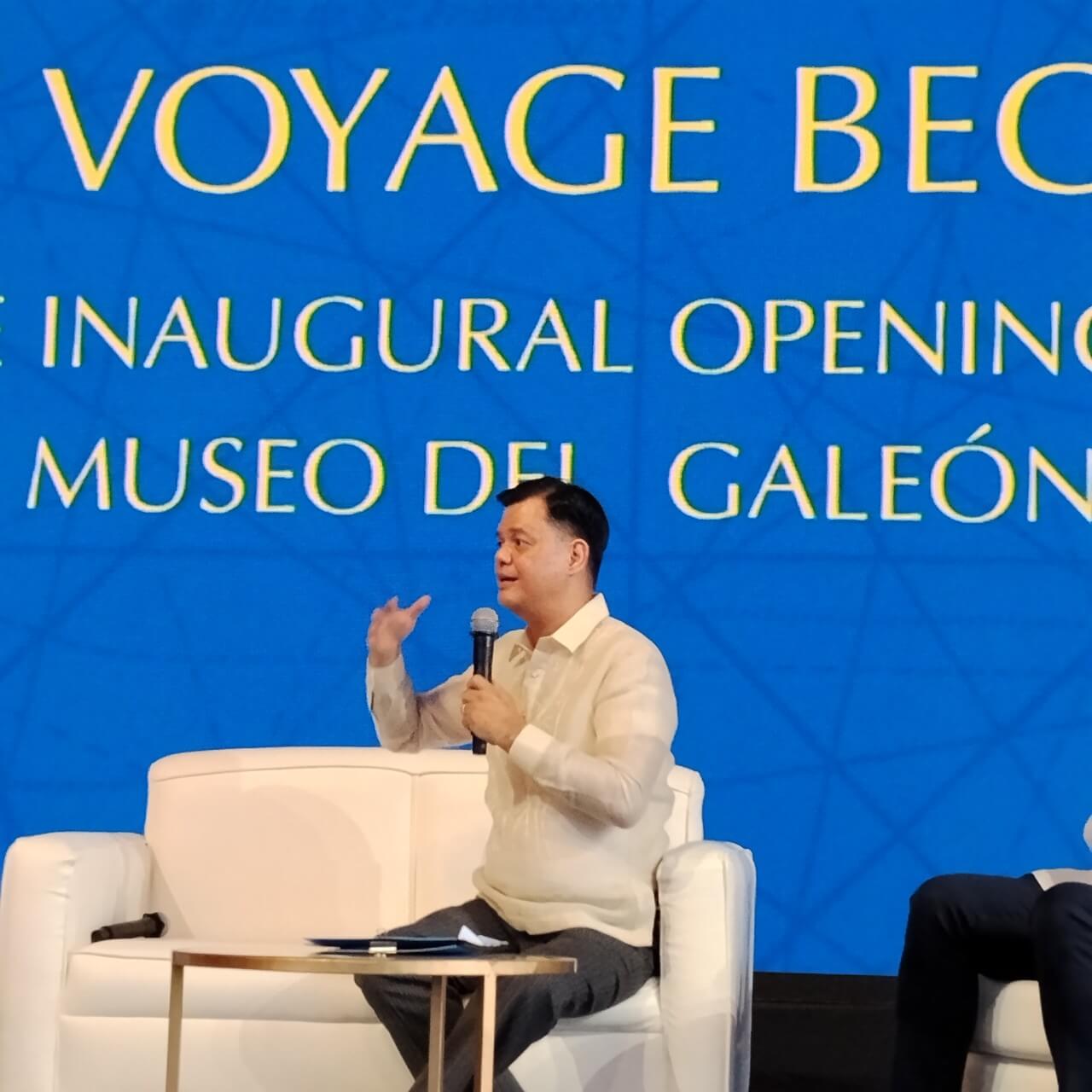
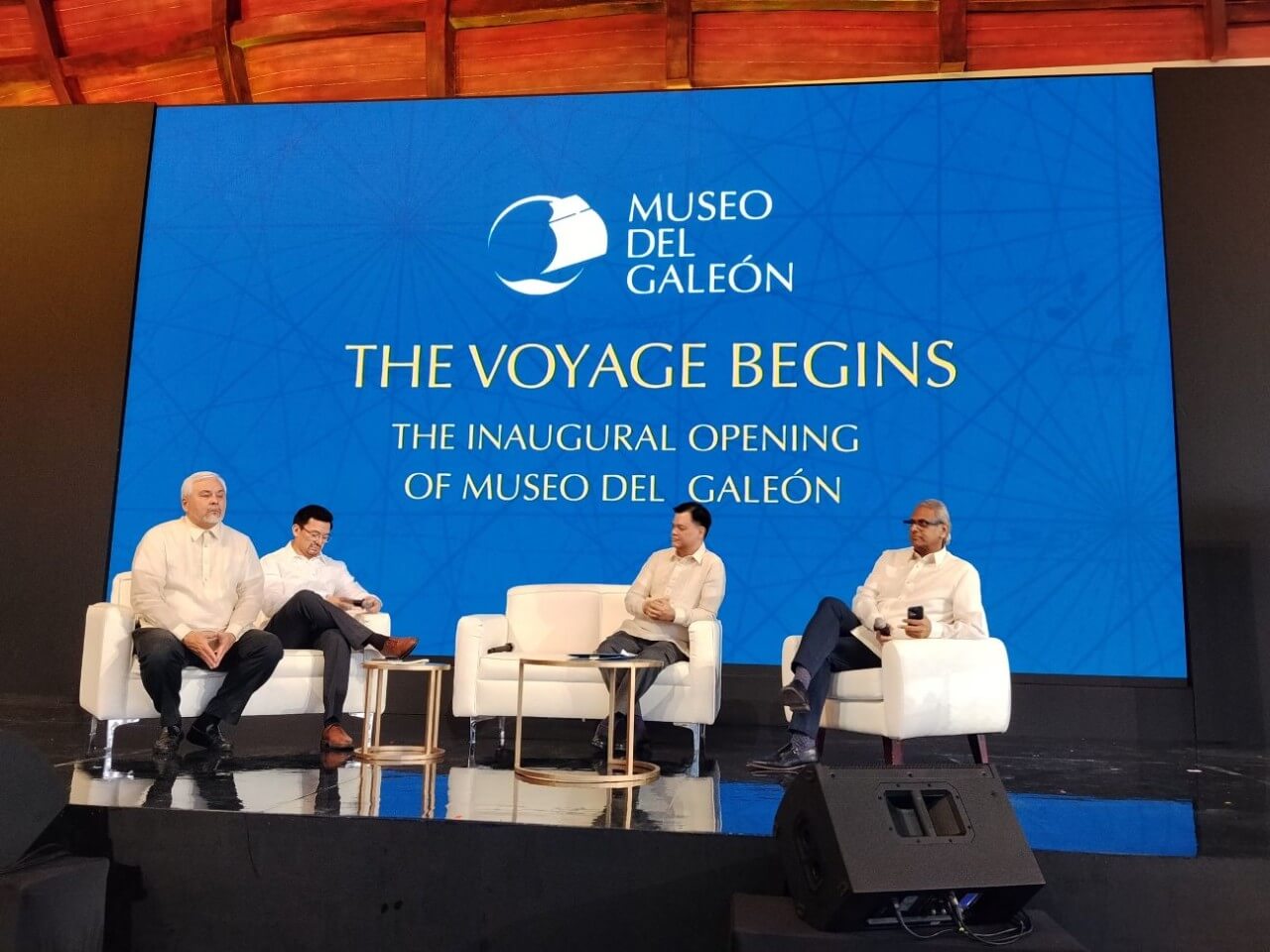
“This is a museum that features time travel,” says Museo del Galeón executive director Manolo Quezon. “Through this giant representation of a galleon, you are going to be brought on a journey—part of our national life, our national story that perhaps you never knew existed.”
The Galeón Espíritu Santo
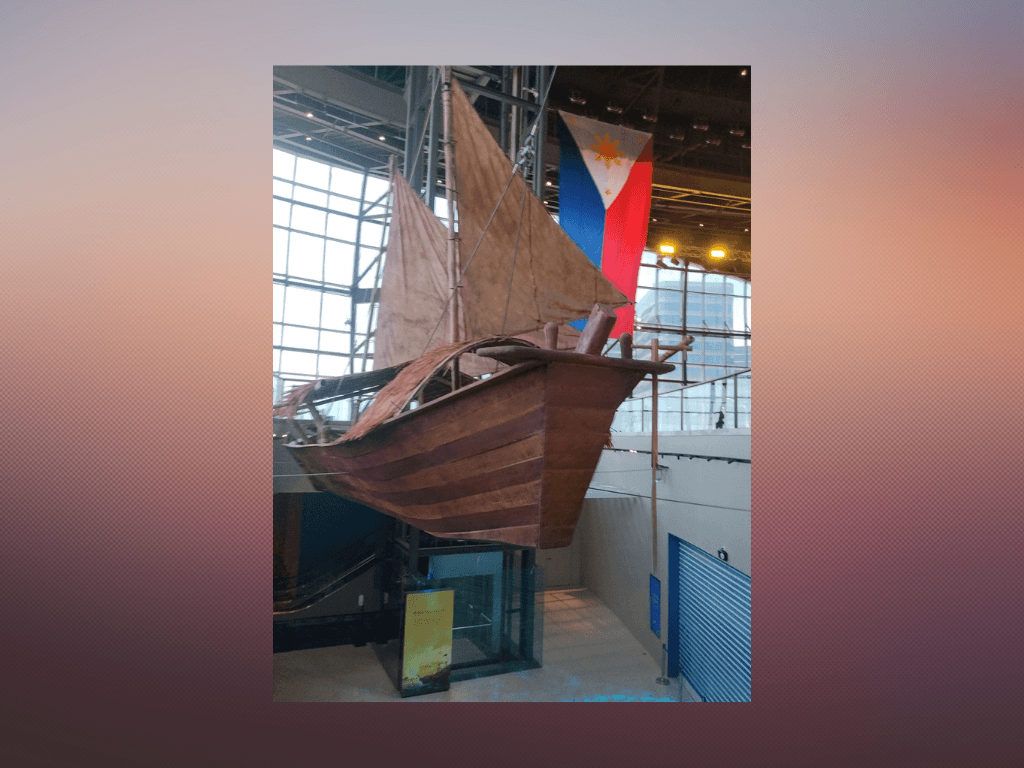
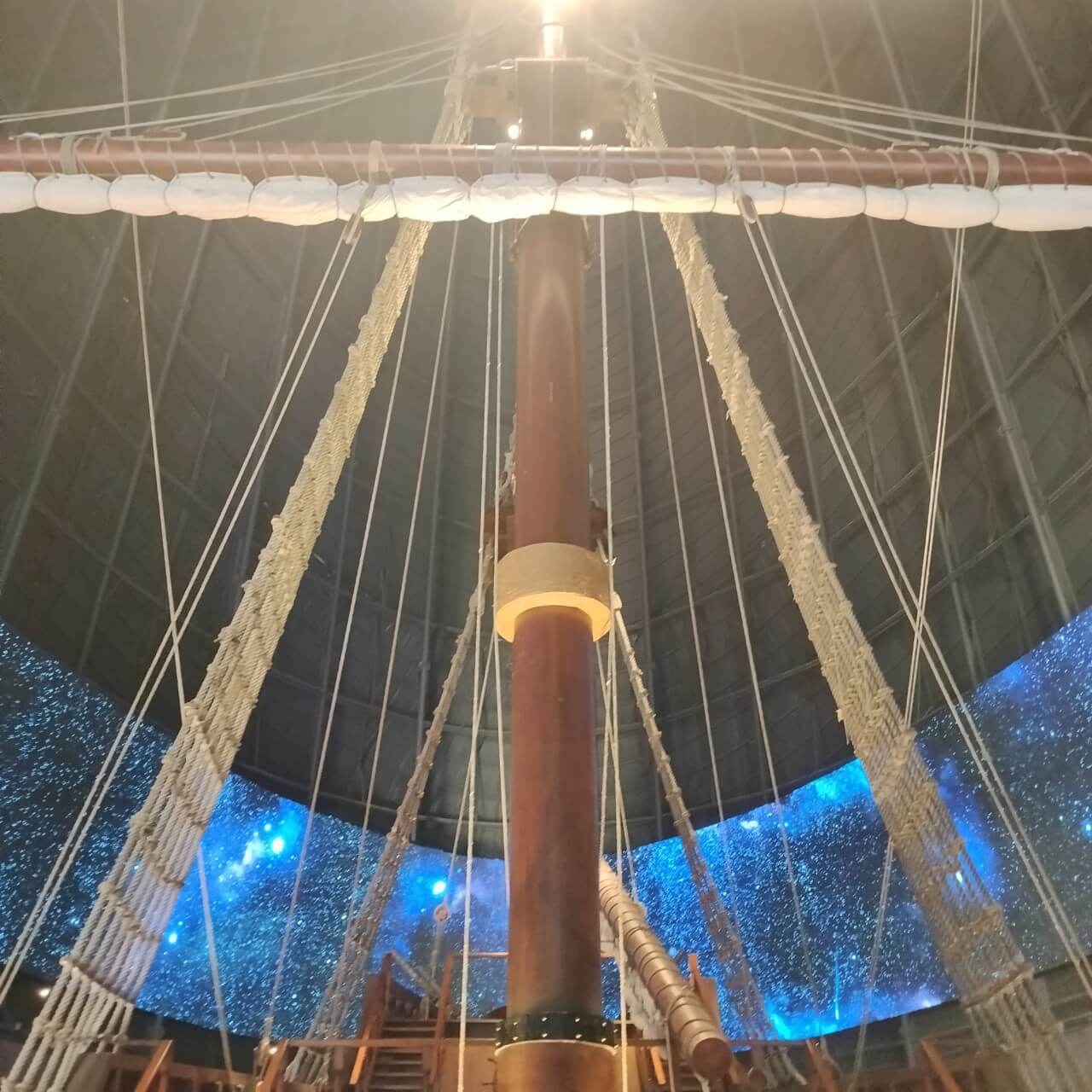
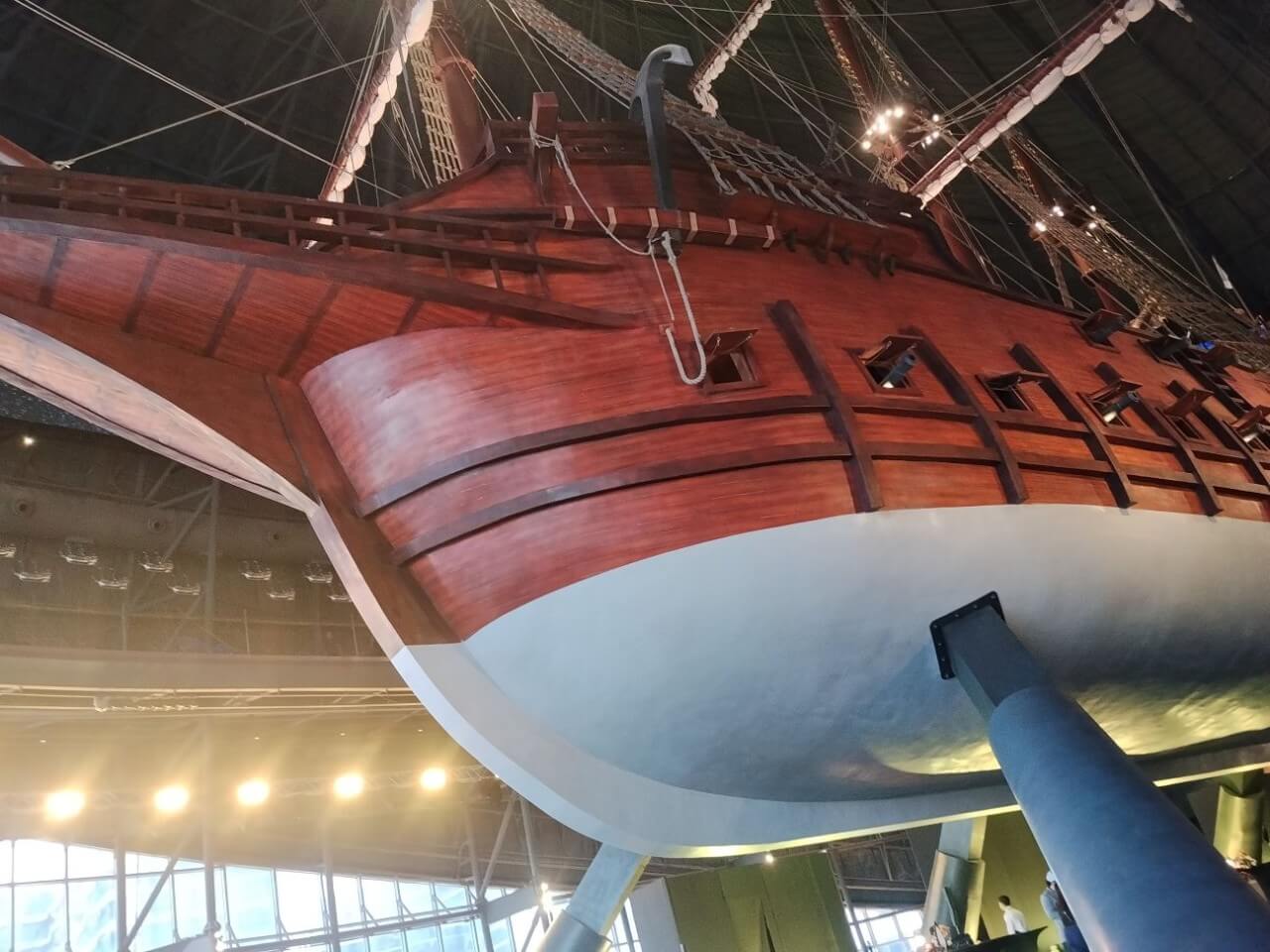
At the heart of the museum—its anchor—stands its most commanding feature: a full-scale reconstruction of the Galeón Espíritu Santo, a 17th-century vessel that once traversed the vast Pacific between Manila and Acapulco as part of the galleon trade.
From 1565 to 1815, the Manila galleons connected Asia and the Americas for over two centuries, transporting silver, spices, porcelain, and textiles—spurring maritime trade and cultural exchange across oceans.
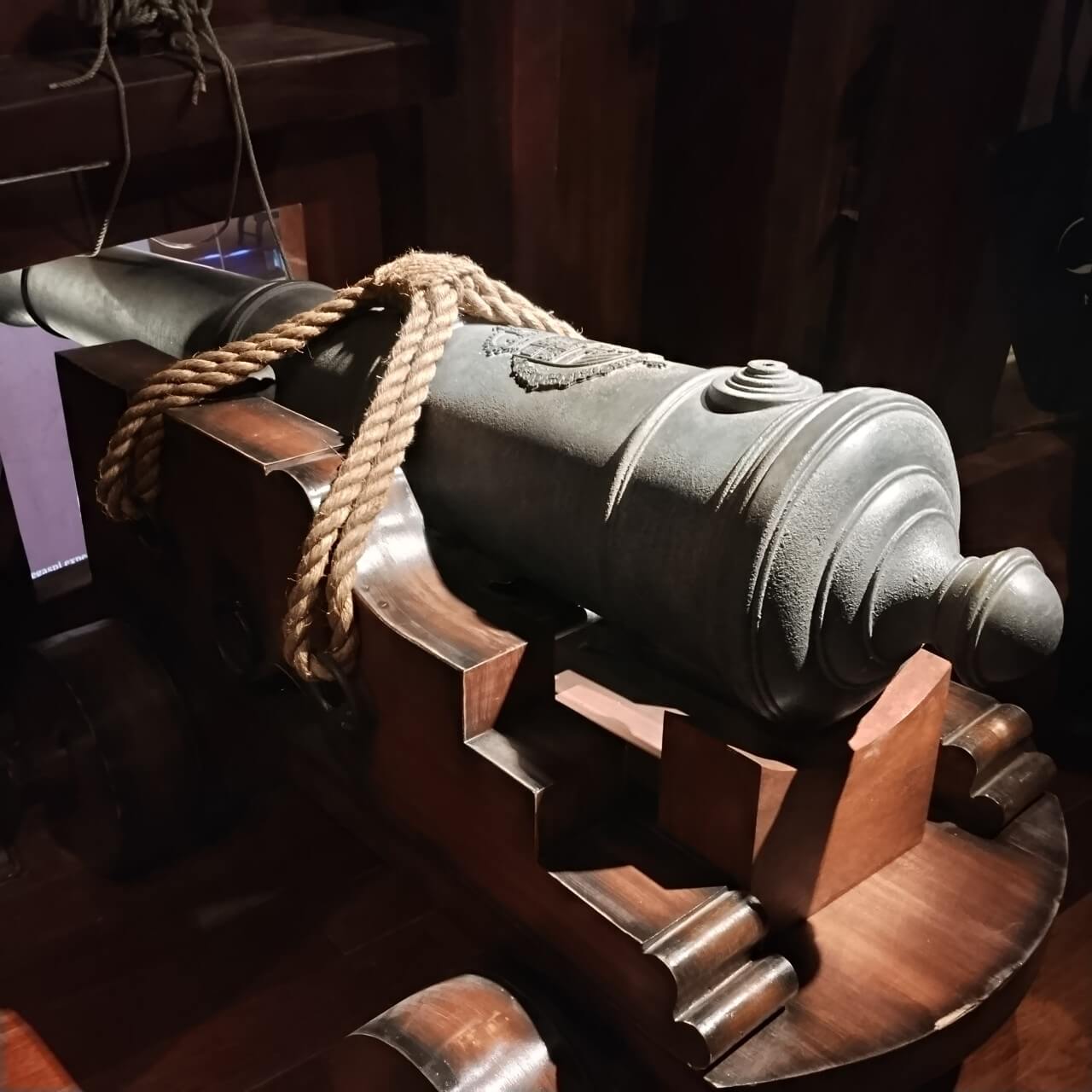
As the museum’s visual and experiential centerpiece, the Galeón Espíritu Santo gives visitors a direct and tangible way to encounter the scale, craftsmanship, and historical significance of the galleon era.
An immersive experience
Visitors are encouraged to engage—both physically and intellectually—with the exhibits. Museo del Galeón managing director Victor Gelano describes it as “a living textbook,” where history is not only learned but felt.
“You read about some of these stories in your history classes, but it's very hard to feel what it was like,” Gelano says. “This is not a do-not-touch museum. We are encouraging everyone to interact with as many exhibits as possible, to feel what it was like to be a sailor on board the galleons.”
For Sujit Tolat of Culture Collective, the firm behind the museum’s design and planning, the goal was transformation. “We want to convert visitors from bystanders to participants,” he says, highlighting the immersive exhibits and interpretive storytelling.
That philosophy is reflected in the museum’s programming: guided tours, workshops, lectures, and curriculum-aligned materials designed to extend learning beyond the classroom.
“Out here, our strategy was that this is your story—you are part of the story. And I think that’s what makes it different from anything else,” Tolat adds.
Reclaiming the Filipino maritime identity
Beyond ships and trade routes, Museo del Galeón draws attention to people—particularly Filipino craftsmen and seafarers, many of whom built and crewed these ships using local knowledge, skills, and materials.
In doing so, it helps reframe the narrative—from one of colonial enterprise to one of Filipino contribution and agency.
“This is a museum, but it is also a place for everyone to come and feel pride in who we are as a people,” says Museo del Galeón trustee Gerardo A. Borromeo.
Noting how the Philippines remains part of the global community, Borromeo expressed hope that “as people come to learn and engage, this will spark meaningful discourse that will help us better understand who we are and where we came from.”
On the tourism map
Beyond its ambitions, Museo del Galeón is positioned as a key addition to Metro Manila’s tourism and cultural landscape.
With projected annual attendance of about 300,000 visitors, it is expected to draw students, families, researchers, and international tourists, while supporting nearby businesses and generating employment in both the cultural and hospitality sectors.
Carrying on legacy and vision
The project carries forward the vision of the late Senator Edgardo J. Angara, who imagined a space where cultures and generations could meet in mutual respect—reflecting on how the Manila-Acapulco Galleon Trade shaped a shared world and how the Philippines once stood at the center of global exchange.
“By connecting our maritime past with the challenges and opportunities of the present,” Quezon notes, “Museo del Galeón helps open a deeper conversation about identity, heritage, and our responsibility to the future.” — Ed: Corrie S. Narisma
Tickets may be purchased through www.museodelgaleon.org or through the museum’s official ticketing channels.
Location:
Museo del Galeón SM Mall of Asia Complex, Seaside Boulevard corner Sunset Avenue Bay City, Pasay City
10:00 a.m. to 7:00 p.m., Wednesday to Sunday
Admission and ticketing information:
Adult – P675.00; Children (above 2 feet) – P375.00 ; Children (under 2 feet) – free; Private school students (K to Uni) – P375.00; Public school students (K to Uni) – P275.00, and teachers – P275.00

Features Reporter