It has announced a major update to Gemini with the launch of Personal Intelligence, a feature designed to help users organize and manage information across their own Google apps.
‘Human routers’
Planning trips, retrieving memories, or managing daily tasks often turns users into “human routers,” jumping between emails, photo galleries, maps, and search results to piece information together.
How it works
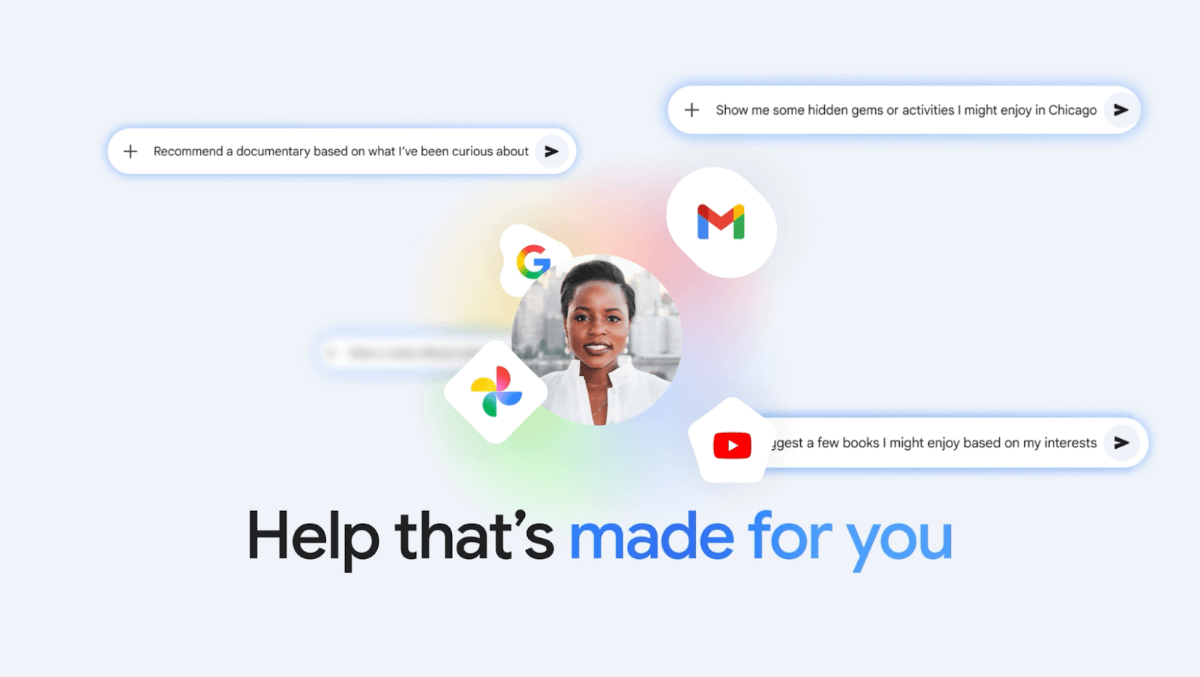
Unlike traditional AI tools that rely primarily on public internet data, Personal Intelligence draws from a user’s personal ecosystem.
With permission, Gemini can securely connect to apps such as Gmail, Google Photos, and YouTube to understand context, preferences, and past activity.
Why it matters
By grounding AI in personal data—rather than generic web knowledge—Google aims to make Gemini a more relevant and practical assistant for everyday life, not just a productivity tool.
Use case
Travel planning is a key example. Instead of digging through inboxes for flight details or scrolling through years of photos to recall favorite spots, users can ask Gemini to help.
The AI can identify travel dates from Gmail, infer preferences from saved photos, and generate a tailored itinerary that matches a user’s style and schedule.
Privacy angle
Google says Personal Intelligence is built with a privacy-first approach. The feature is optional and turned off by default. Users control which apps are connected, and chat history can be deleted at any time.
Access
Personal Intelligence is currently in beta and rolling out to eligible Google AI Pro and AI Ultra subscribers in the U.S.
What’s next
Google plans to expand availability to more countries, languages, and eventually to free-tier users—signaling its intent to make personalized AI a core part of the Gemini experience. —Ed: Corrie S. Narisma