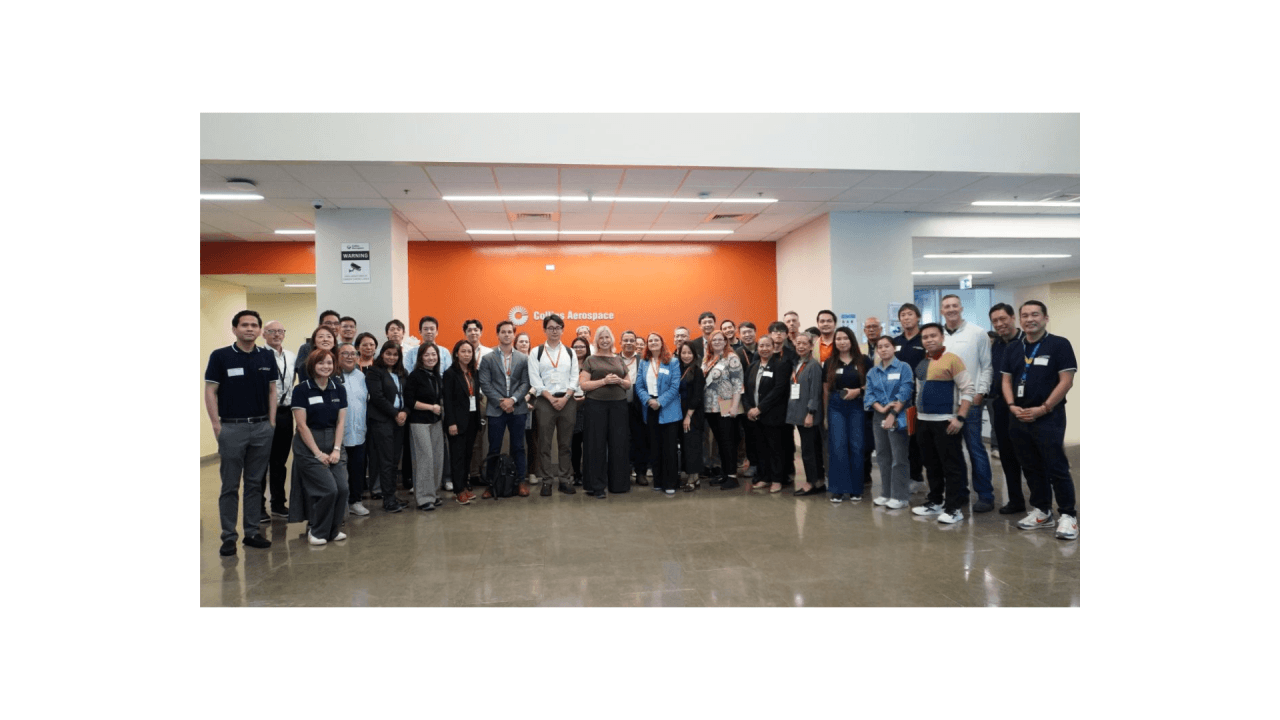
The Sept. 11 visit was part of a program organized by the U.S. Trade and Development Agency (USTDA) and the Philippine Economic Zone Authority (PEZA) to promote investment opportunities along the corridor.
The delegation included global industry executives, project developers, government officials and representatives of Foxconn.
Investor pitch
During the tour, FPIP officials highlighted the industrial estate’s location, infrastructure, support services, access to skilled workers and network of manufacturers, suppliers and service providers.
“Investors don't just need available land. They need an environment that already works, with the infrastructure, talent, and network of suppliers and service providers to support their operations,” said Ricky Carandang, FPIP vice president and head of marketing, external relations and communications.
“We keep strengthening that environment, not just adding space, so it stays ready for whoever comes next."
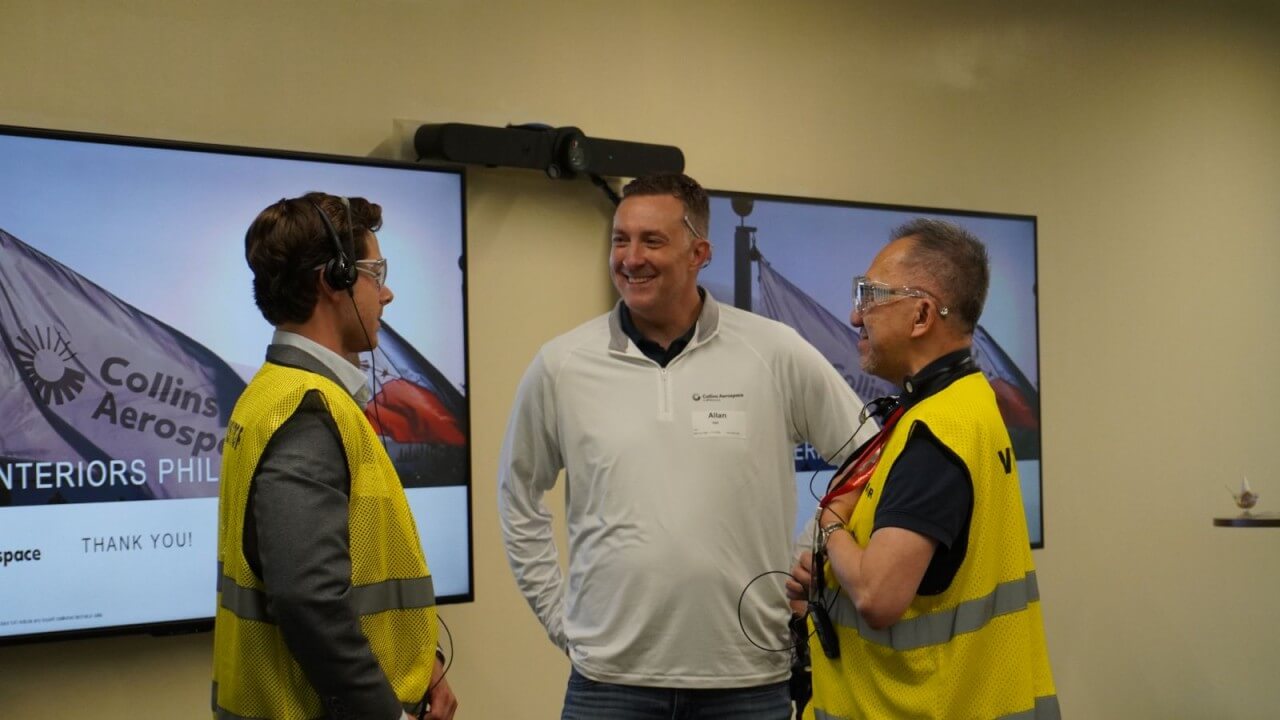
The delegation also visited Collins Aerospace, an FPIP locator and a business unit of RTX Corp.
Collins operates one of its largest international facilities at FPIP, manufacturing aircraft interior products such as seats, galleys and galley inserts for the global aerospace industry.
Manufacturing corridor
The delegation toured other industrial parks in Batangas as part of government efforts to develop the LEC and position the Philippines as a manufacturing and logistics hub.
The corridor links Subic, Clark, Metro Manila and Batangas, with infrastructure and investment initiatives intended to improve connectivity, strengthen supply chains and attract businesses to major economic centers in Luzon.
FPIP's location in Sto. Tomas, Batangas places the industrial estate within the corridor.
The 600-hectare economic zone hosts companies in aerospace, electronics, motor vehicles, food and other advanced manufacturing industries.
More than 80,000 people work for locators operating within the industrial park.
FPIP said the USTDA-PEZA visit provided an opportunity to present the estate to potential investors as the government seeks to draw more manufacturing and supply-chain investments into the LEC. —Ed: Corrie S. Narisma