Insider Spotlight
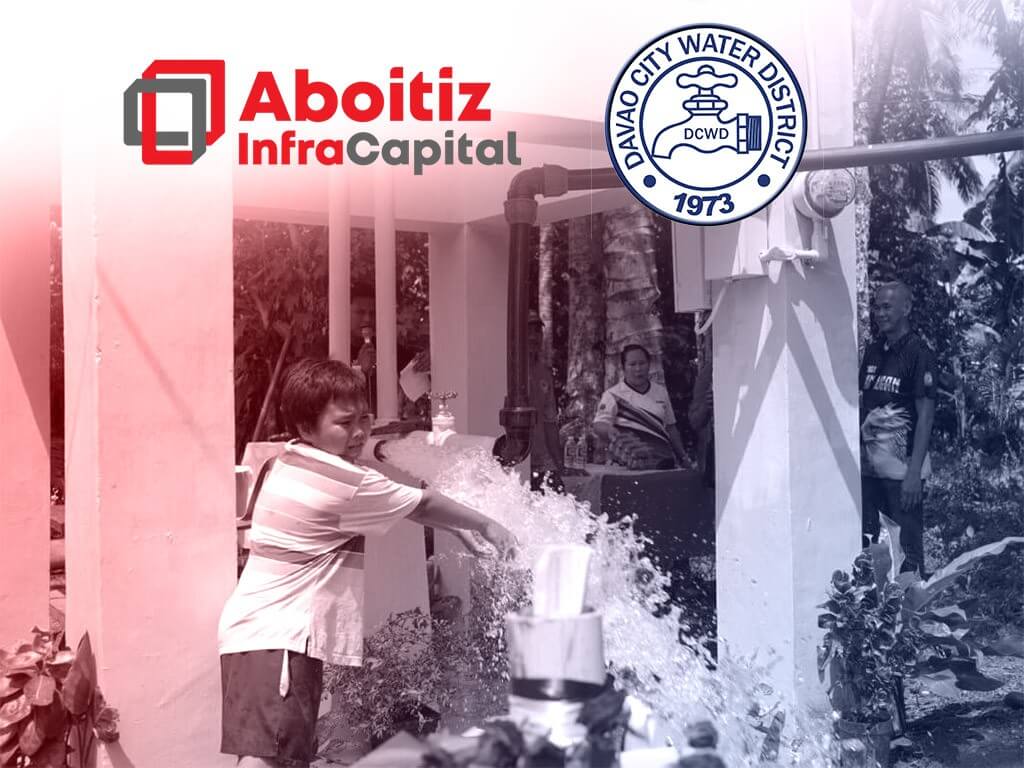
The Apo Agua Water Treatment Plant and its 52-kilometer treated water pipeline form one of the Philippines’ most critical urban water systems, delivering up to 300 million liters per day to households and businesses.
What sets the project apart is its use of a water-energy nexus model that integrates a run-of-river hydropower facility to power the treatment process.
Why it matters
Urban water systems are among the most energy-intensive public utilities. By using renewable hydropower from the Tamugan River, Apo Agua reduces reliance on fossil fuels while ensuring stable water output for a fast-growing city.
The approach also allows Davao’s groundwater aquifers to recover, supporting long-term water resilience.
The news
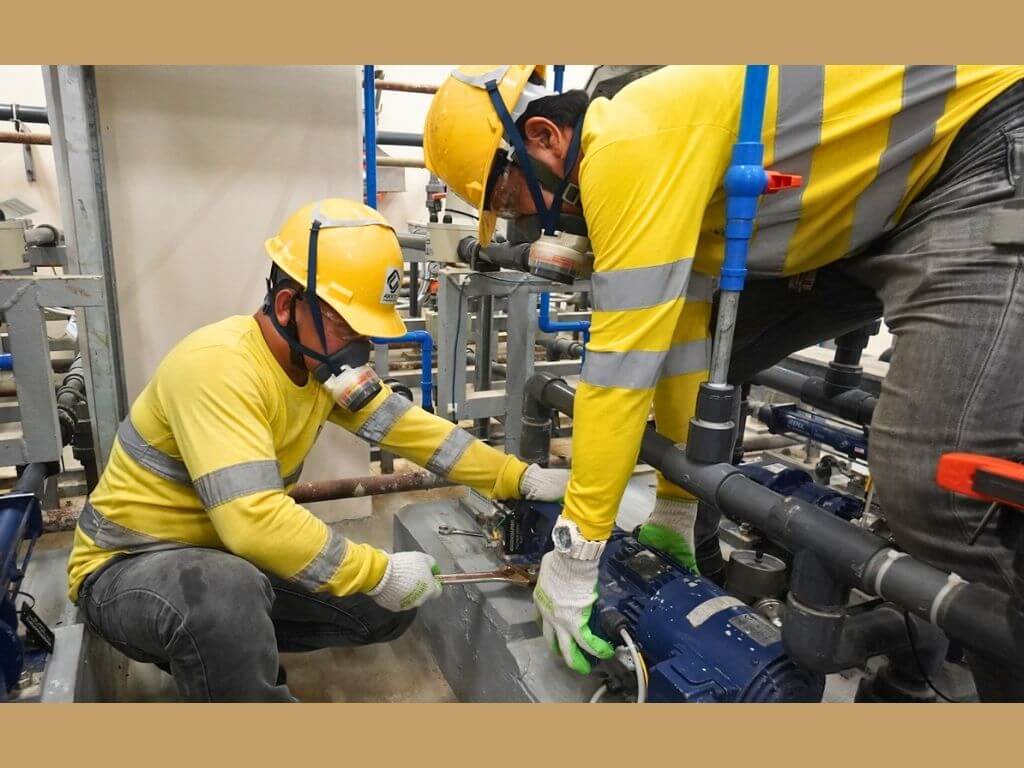
Aboitiz Construction, through its maintenance brand ACI Plus, recently marked the second anniversary of the Treated Water Pipeline maintenance project, which began in 2023 and runs through 2027.
The Apo Agua Water Treatment Plant maintenance contract, covering electrical, mechanical, instrumentation, and civil works, is set to reach its own second anniversary in March 2026.
Together, the pipeline and plant maintenance teams have logged 261,509 safe man-hours without a lost-time incident, underscoring the operational discipline required to keep a water-energy integrated system running reliably.
What they’re saying
“We thank Aboitiz Construction for its continued support and commitment to safe, high-quality maintenance of our pipeline facilities. As we move forward, strengthening our business continuity plans through regular training and drills will be essential to ensuring the long-term reliability of the entire water system,” Jay de Vera, AAII asset manager, said in a press statement.
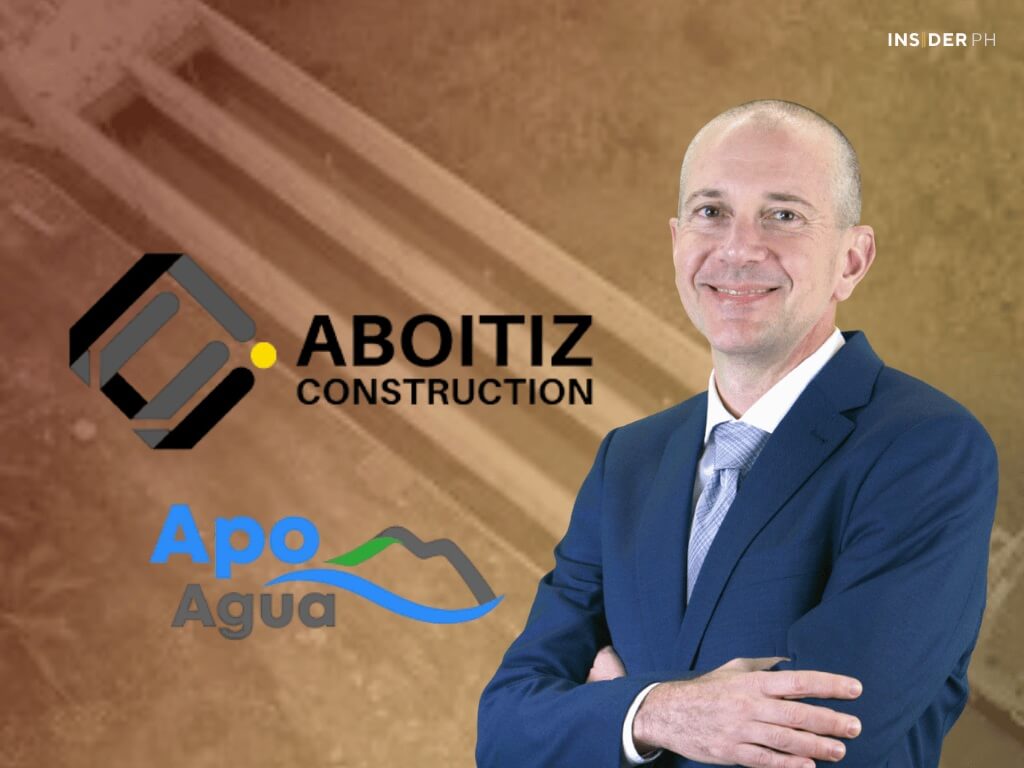
“This milestone reflects our strong partnership with Apo Agua, built on trust and a shared commitment to quality. As Aboitiz Construction celebrates its 50th anniversary, this project showcases our 50 years of expertise in helping businesses prosper and communities thrive,” said Antonio Peñalver, executive director of Aboitiz Construction.
The bigger picture
As Philippine cities confront climate risks and rising demand, the Apo Agua project offers a working model of how water infrastructure can be designed around clean energy.
The water-energy nexus is increasingly seen as a pathway to lower operating costs, reduced emissions, and more resilient urban services, positioning Davao City as a reference point for future projects nationwide. —Vanessa Hidalgo | Ed: Corrie S. Narisma