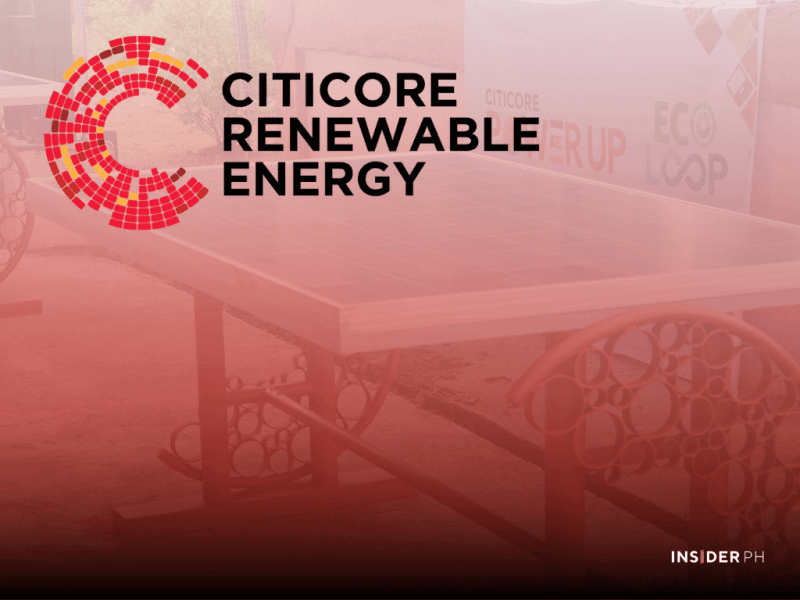
Citicore Renewable Energy Corp. (CREC) is addressing this issue through EcoLoop, a circular economy initiative that repurposes decommissioned materials from its projects into functional infrastructure for host communities.
As part of the program's pilot implementation, CREC partnered with sustainability-focused art and design collective KamayManos PH to transform 20 retired solar panels into 14 durable community tables.
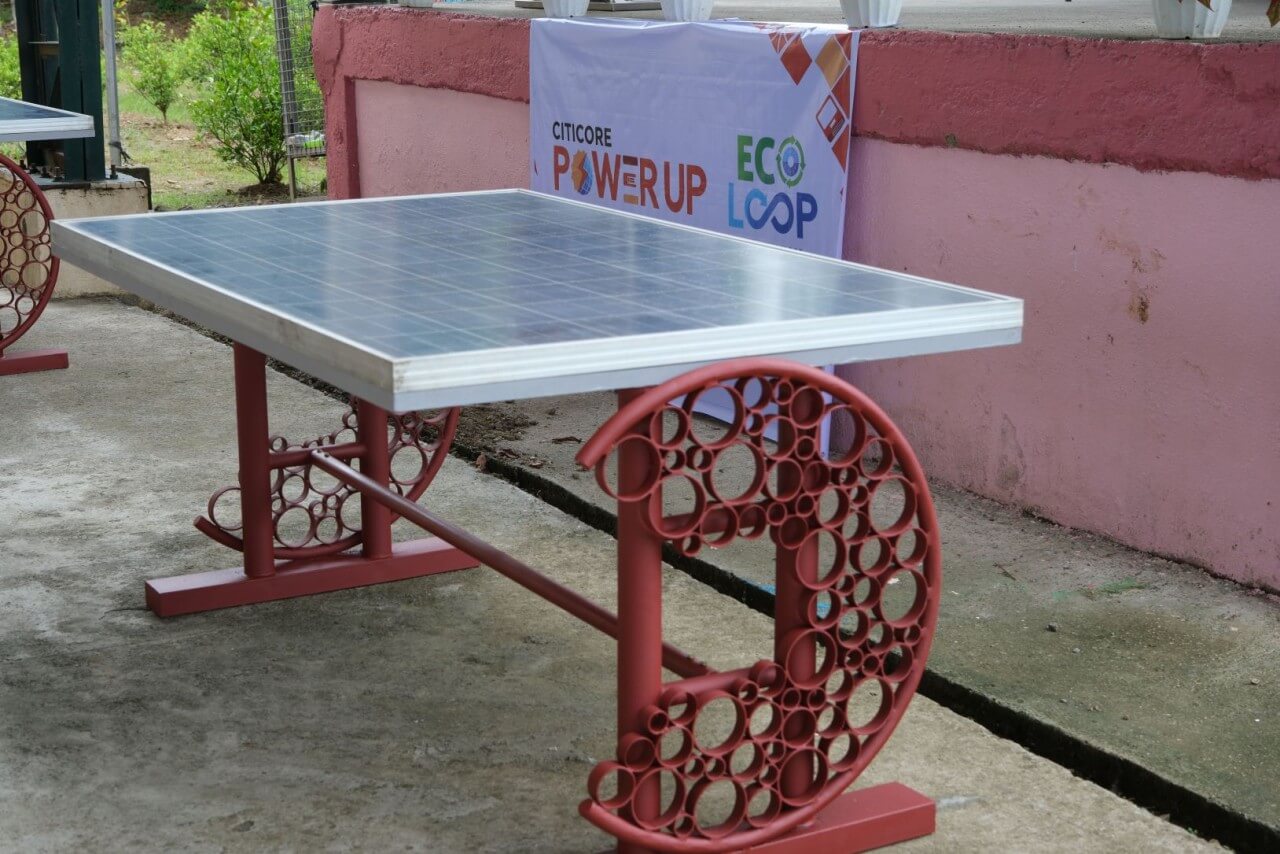
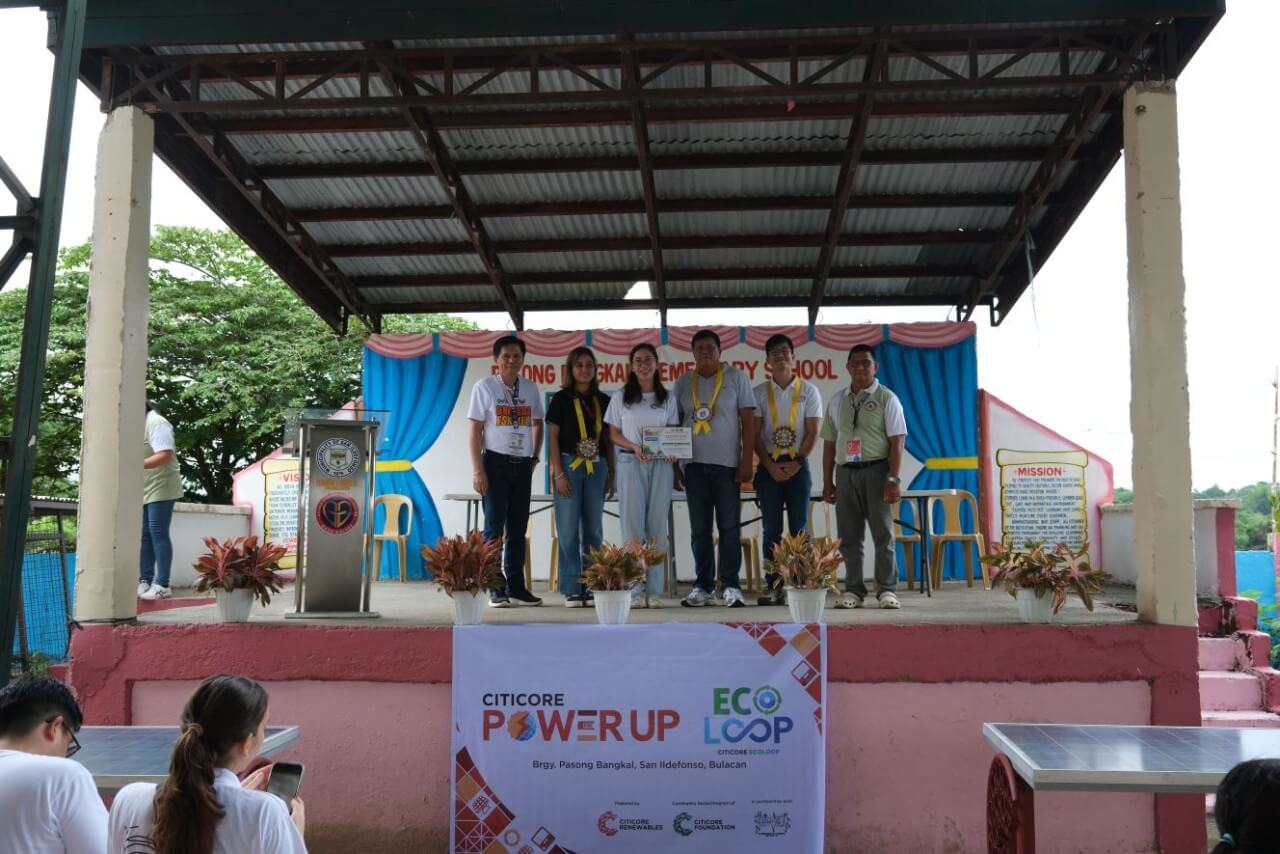
The tables will be donated to Pasong Bangkal Elementary School in San Ildefonso, Bulacan, located within the host community of Citicore Solar Bulacan, CREC said in a statement.
The initiative reflects CREC's broader sustainability strategy, which extends beyond clean energy generation to include responsible material management and community development.
Beyond energy
EcoLoop builds on the company's earlier EcoShed projects, which converted retired solar panels and excess construction materials into community facilities such as waiting sheds, covered walkways, and community outposts.
Through EcoShed, CREC completed 13 structures that continue to serve residents in its host communities.
According to CREC president and CEO Oliver Tan, EcoLoop expands the company's sustainability efforts by finding new ways to create value from materials that would otherwise be discarded.
“EcoLoop expands the foundations of our sustainability initiatives by really thinking beyond the box. As we continue to scale renewable energy, we also discover what more we can do with our waste materials, addressing community needs in tune with Citicore’s core values of Environmental Stewardship and Innovation,” Tan said.
The company said both EcoShed and EcoLoop demonstrate how renewable energy materials can continue serving communities long after their original purpose has ended.
Creative reuse
To implement the project, CREC partnered with KamayManos Art and Design Co., a group known for sustainability-focused public installations and material innovation.
KamayManos has gained recognition for transforming hard-to-recycle waste into functional structures. Among its notable projects is the San Juan Eco Bridge Retrofit Project, which utilized upcycled sachet plastics to create a durable and visually appealing public structure.
For KamayManos founder Gio Orbos, the collaboration presented a unique challenge because the group had not previously worked with retired solar panels.
“Every process is tailor-made specific to the product we're trying to reuse. But that means we have an opportunity to make bespoke solutions specific to the needs of the community in ways that mass production cannot address,” Orbos said.
Circular future
Industry observers note that while solar power plays an important role in reducing carbon emissions, the management of aging and decommissioned equipment is becoming an increasingly important issue worldwide.
Through EcoLoop, CREC seeks to demonstrate how circular economy principles can be applied to renewable energy projects by combining creative reuse, environmental stewardship, and community engagement.
Beyond their practical function, the tables donated to Pasong Bangkal Elementary School are intended to serve as tangible examples of how environmental challenges can be transformed into opportunities for education and community development.
CREC said EcoLoop marks the beginning of a broader effort to integrate circularity across its operations and expand similar initiatives nationwide, guided by its sustainability pillars of education, empowerment, and environmental stewardship. —Ed: Corrie S. Narisma