Insider Spotlight
The two institutions recently wrapped a two-day “Family Business Succession” seminar, bringing together executives, culinary entrepreneurs, and next-generation leaders navigating the complexities of inheriting and sustaining family enterprises.
Held for a diverse audience, the program combined structured frameworks with lived experiences. In a company release, organizers said the initiative underscores a shared commitment to developing businesses that endure across generations, particularly in a sector dominated by family ownership.
Driving the news
The sessions, led by UA&P’s Dr. Robert Miguel Roque and Dr. Winston Conrad B. Padojinog, attracted participants ranging from multi-branch restaurant owners to young heirs still finding their footing in family operations.
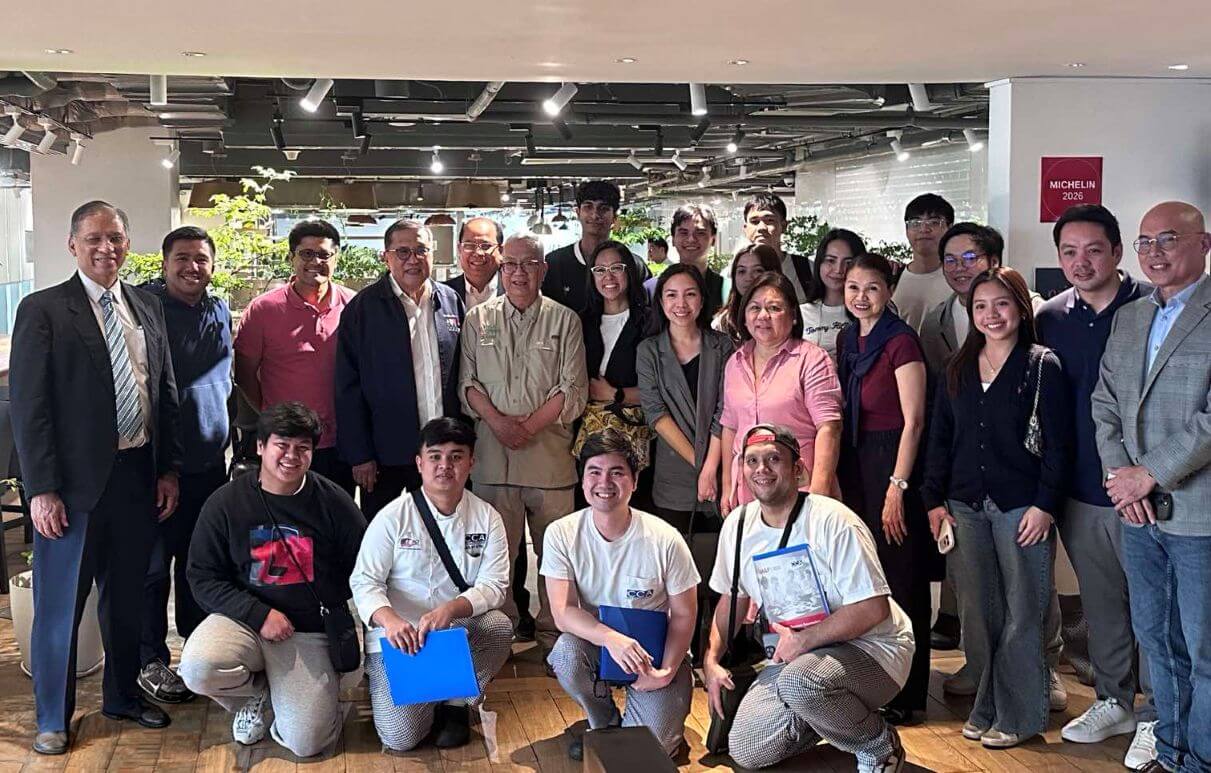
Among them was Jamile Carl Fernandez, 19, whose family runs Tamilawan, a South Cotabato-based halal restaurant chain that evolved from a small bakery into a multi-branch business. Having grown up doing inventory runs and supply checks, Fernandez said the seminar reshaped his perspective on leadership.
“This program helped me realize that succession is about protecting the integrity of the company,” he said. “It’s about ensuring what was built survives, with honor, into the next generation.”
Also in attendance was Ma. Colleen Lopez, 19, who admitted she had little exposure to decision-making in her family’s enterprise until the program highlighted the importance of early dialogue.
“The seminar made me understand how much smoother transitions can be when families openly discuss succession early on,” she shared.
For Rob Serrano, the experience marked a shift in mindset—from passive heir to active leader—describing his journey as moving beyond being “a mere observer and heir” to becoming “an engaged future leader.”
Why it matters
Family businesses remain a backbone of the Philippine economy, yet many falter during generational transitions due to unclear roles and unspoken expectations.
The seminar emphasized that succession is not just structural but deeply personal—requiring alignment on values before strategy.
The big picture
CCA Manila is broadening its role beyond culinary training, integrating business education as competition intensifies in the food sector.
The institution is set to launch a Center for Food Entrepreneurship, aimed at equipping current and aspiring food business owners with tools in governance, planning, and family enterprise management—positioning Filipino food brands for both growth and continuity. —Princess Daisy C. Ominga | Ed: Corrie S. Narisma