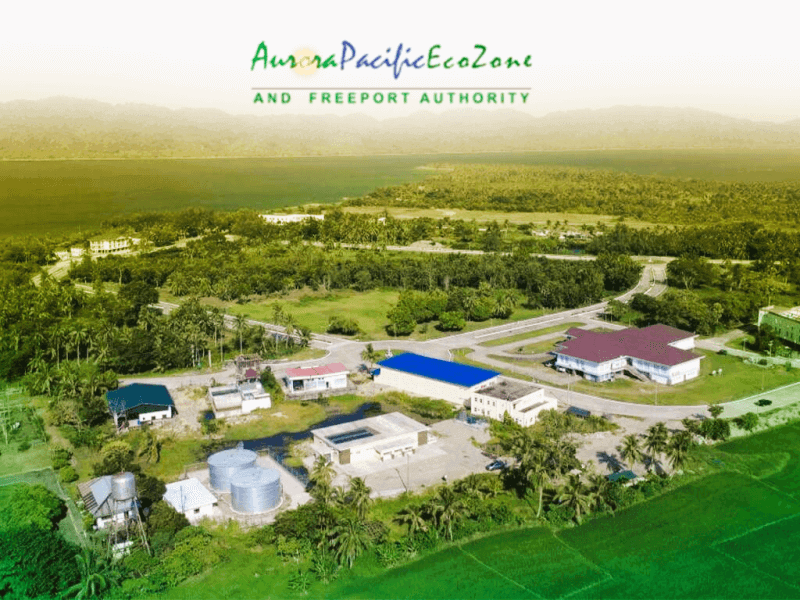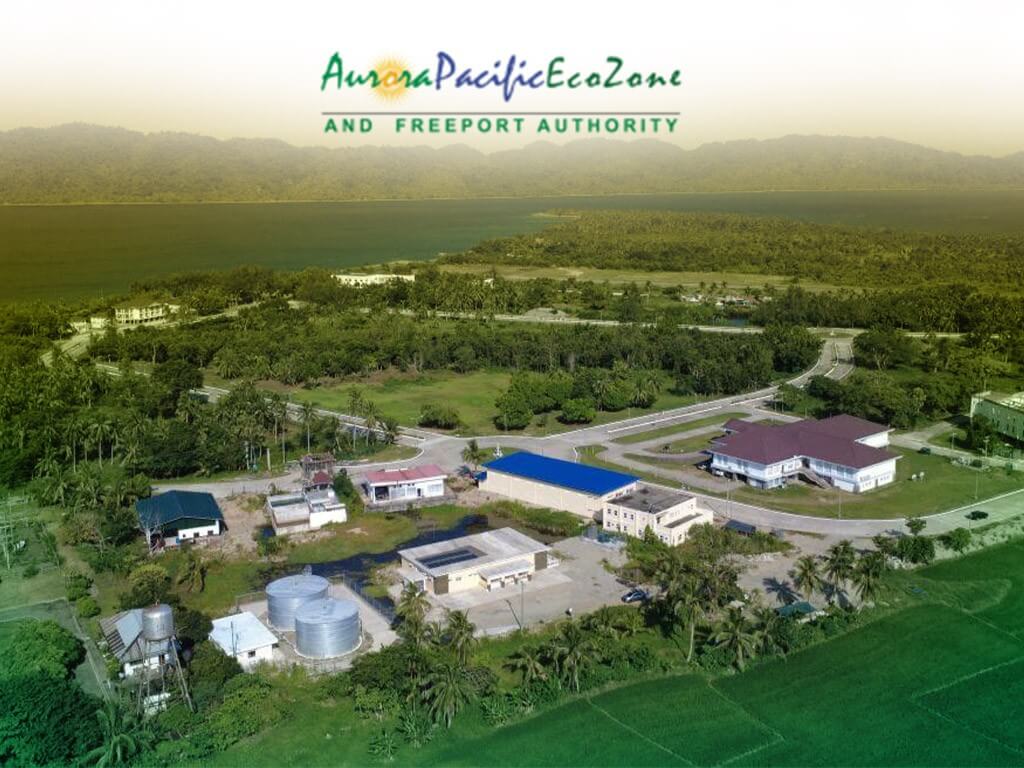
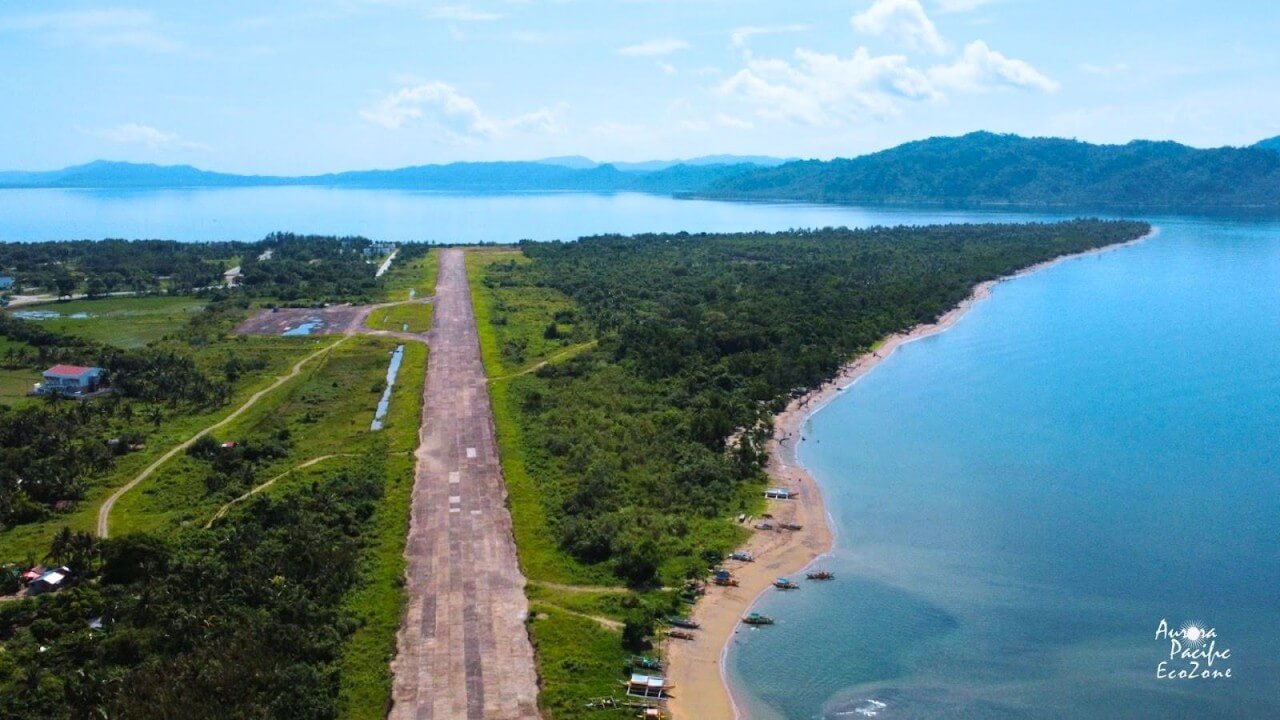
The airport forms part of APECO’s flagship projects aimed at transforming Aurora province into a strategic hub for tourism, trade, and investment.
APECO President and CEO Atty. Gil G. Taway IV said the agency is preparing to move forward with key developments for the airport.
“We will be bidding out the passenger terminal building and air traffic control tower this second quarter of the year,” Taway said.
Gateway to global markets
Once completed, the airport is expected to improve connectivity and open direct access from Aurora to international markets.
Taway said the planned international gateway would enhance the province’s appeal to investors and tourists, while supporting the growth of emerging industries.
The project is seen as a critical component in positioning APECO as a competitive economic zone capable of attracting both local and foreign investments.
Strong local support
The initiative has also gained backing from Aurora’s Lone District Representative, Rep. Rommel Rico T. Angara, who expressed confidence in the project’s timeline.
Speaking during the APECO-InfiniVAN memorandum of understanding signing on March 27, Angara said commercial flights could begin by June 2027.
“In Baler, we have a domestic airport. But in Casiguran, together with APECO and the Board of Directors, our vision in the coming years—final timeline will be 2028—is to have an operational international airport in the Aurora Pacific Economic Zone,” Angara said.
Building an investment hub
With plans for both domestic and international connectivity, the Casiguran Airport is expected to play a key role in strengthening Aurora’s economic prospects.
The development aligns with APECO’s broader strategy of building a more connected, investment-ready region anchored on sustainable growth.
Officials said the airport project underscores efforts to unlock the province’s potential by improving infrastructure, attracting investments, and enhancing accessibility.
As preparations for construction move forward, APECO aims to position Aurora as a gateway not only for travelers but also for trade and industry in the region. —Ed: Corrie S. Narisma