Insider Spotlight
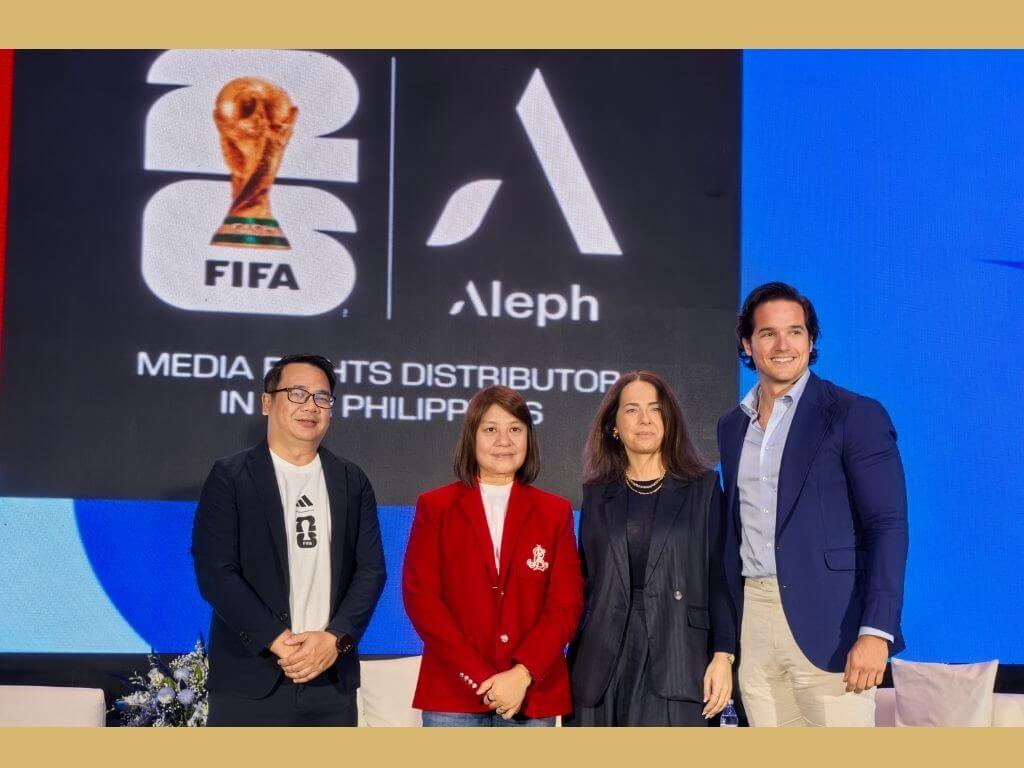
As a global leader accelerating digital advertising and fintech solutions, Aleph’s strategy centers on meeting fans wherever they are: on mobile, connected TV, social platforms, digital publishers, and streaming environments.
That approach reflects how the “beautiful game” is no longer watched only through traditional broadcasts, but through a constant flow of live updates, short-form clips, commentary, highlights, and data-driven storytelling.
Why it matters
The World Cup is one of the few events capable of commanding a truly global audience simultaneously. For Aleph, that creates an opportunity to connect advertisers, platforms, and fans through technology built for scale.
Its coverage model points to a broader change in sports media. Fans increasingly expect instant access, personalized content, and seamless movement across screens. A goal can be watched live on TV, replayed on social media, analyzed on mobile, and discussed in real time across digital communities.
According to Anna Dy, country head of Aleph, Filipino football fans connect with the sport in different ways. Hardcore fans closely follow every game, player statistic, and team performance. Casual fans engage through clips and highlights, often tuning into matches that capture their interest online. Meanwhile, lifestyle fans are drawn to the culture, stories, and broader community surrounding the game.
“The multi-channel digital-first strategy that we have put together is not only aligned with the Filipinos' content consumption behavior. We actually built it around it,” Dy said.
It is no secret that the Philippines is one of the most digitally engaged countries in the world. “This is the ecosystem that football actually lives in. And fans expect to see content about the FIFA World Cup on the platforms they're already using every day,” she added.
The big picture
Technology is changing not just where football is viewed, but how it is experienced. Multi-platform coverage allows brands and media partners to reach audiences before kickoff, during the match, and long after the final whistle.
“Digital has changed the way fans engage with football, with sports in general. In a world where everything is consumed on demand, football, sports and all the entertainment content is consumed live. But today, that's not enough,” Enrique Levy, global expert in sports media, said during the fireside chat of the media launch.
“Technology has allowed a direct connection between the teams, the athletes, with the fans. They are talking directly to them. And now it's about 24/7 [content]. It's about taking the fans behind the scenes. Telling the stories that are happening around the game and engaging with different types of content,” he added.
Aleph’s role is to help make that ecosystem easier to access. By supporting coverage across platforms, it is positioning itself at the intersection of sport, media, advertising, and technology.
What’s next
As football audiences become more fragmented, companies that can unify access across channels are likely to gain influence.
For fans, the result is a richer and more flexible World Cup experience.
“At the end of the day, digital and technology has allowed fans to engage differently, more deeply. And to connect level and participate in a global conversation. And Filipino fans will be at the center of that conversation,” Levy said. —Vanessa Hidalgo | Ed: Corrie S. Narisma