Insider Spotlight
Across Asia, estate development anchored on industry—not speculation—is proving to be one of the most durable catalysts for job creation, economic resilience, and community upliftment.
In the Philippines, this model is accelerating the shift from single-use industrial zones to integrated townships that support both investors and local communities over decades, not cycles.
The big picture
Industry-led estates succeed when infrastructure, utilities, education, and housing are planned as one system.
This reduces friction for manufacturers, shortens talent pipelines, and anchors employment closer to where people live—unlocking inclusive growth beyond Metro Manila. Southern Luzon, in particular, has become a testing ground for how long-term estate stewardship can translate into national competitiveness.
Zoom in
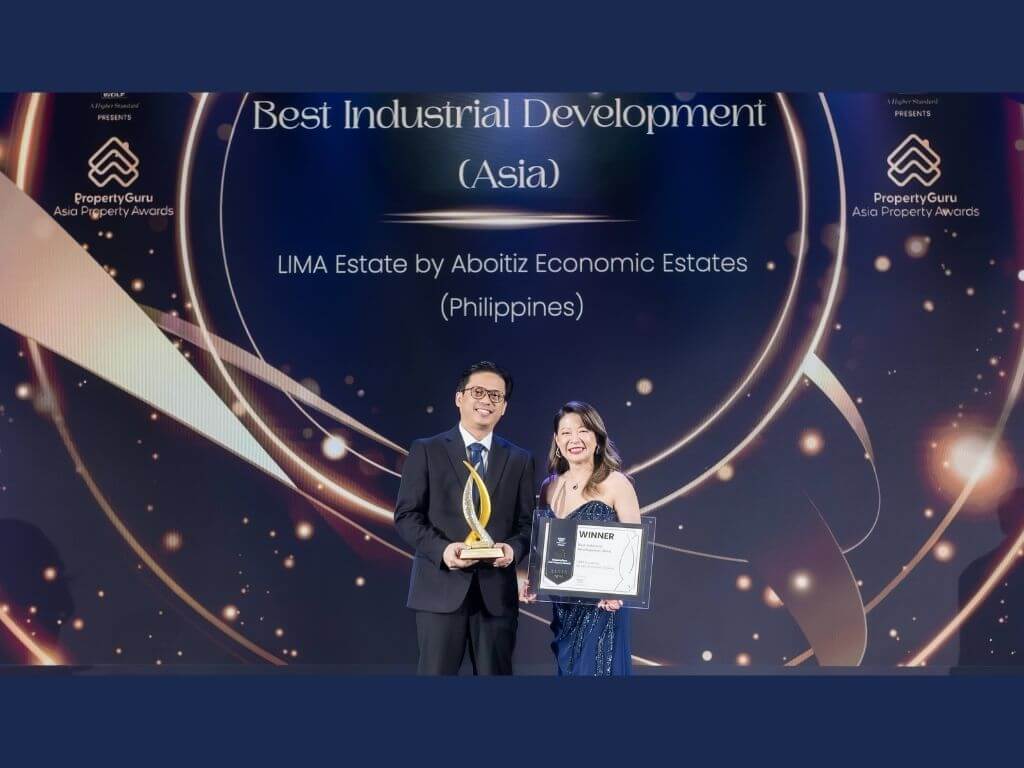
That sustained approach was underscored this year as Aboitiz Economic Estates was named a Finalist for Best Industrial Developer in Asia, while its flagship LIMA Estate secured its third recognition as Best Industrial Development at the PropertyGuru Asia Property Awards 2025.
The recognition reflects years of compounding investments in resilient infrastructure, sustainability, and workforce development rather than short-term expansion.
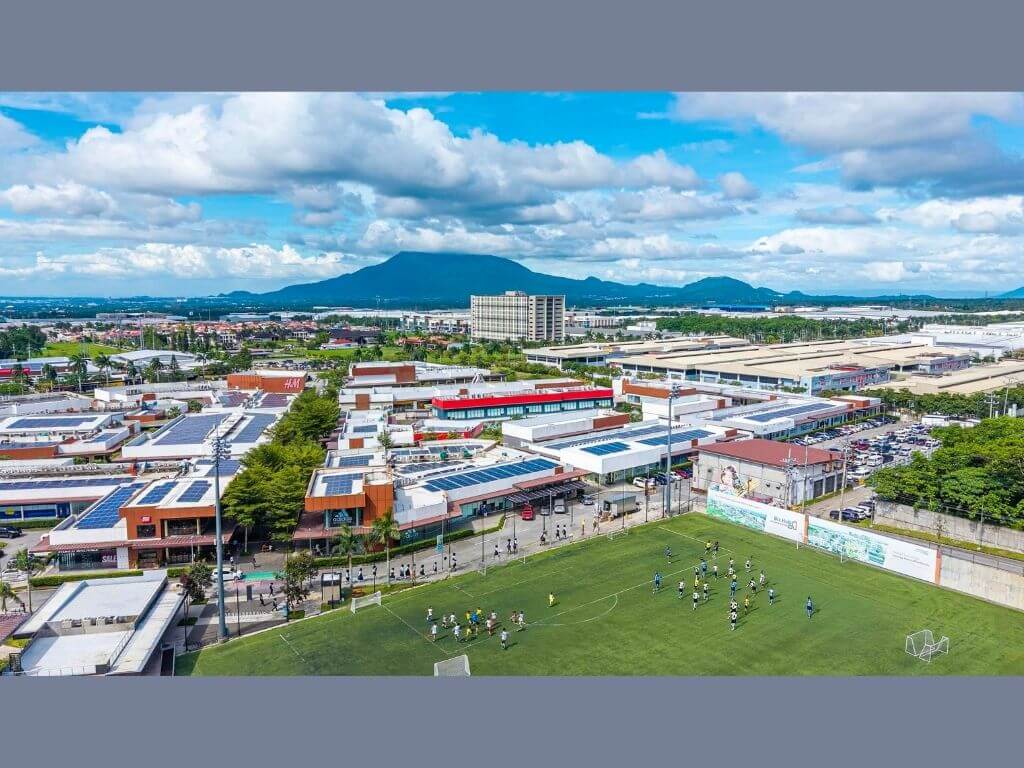
LIMA Estate in Batangas illustrates how industry-led planning translates into scale and impact. Home to global manufacturers such as EPSON, Yamaha, Aice, and JTI, the estate supports advanced production facilities that employ tens of thousands of Filipinos.
Its ongoing 200-hectare industrial expansion is expected to generate 30,000 additional jobs, reinforcing the estate’s role as a regional employment anchor.
What sets it apart
Beyond factories, LIMA integrates sustainability and talent development into its master plan. It is the first and largest industrial estate in the Philippines to earn a 5-Star BERDE District Certification, embedding energy, water, mobility, and waste efficiencies at the district level.
Its partnership with Batangas State University brings industry-based learning directly into the estate—aligning education with real workforce demand.
Residential and commercial components complete the ecosystem. Through Aboitiz Land, communities such as The Villages at LIMA Estate allow people to live near their workplaces, while commercial hubs support small businesses and services that thrive alongside industrial growth.
What they’re saying
“At the end of the day, it is the impact of what we build, and the solutions we provide to businesses and communities, that matters most,” Rafael Fernandez de Mesa, president and CEO of Aboitiz Economic Estates and Aboitiz Land, said in a press release on Dec. 19, 2025.
“Our commitment is not only to lead Asia in industrial development, but to help create a better, more inclusive, and more prosperous future for Filipinos.”
Bottom line
Sustained leadership in industry-anchored estate development is no longer just a real estate strategy—it is a nation-building lever, turning investment corridors into engines of jobs, progress, and community upliftment. —Vanessa Hidalgo | Ed: Corrie S. Narisma