
Insider Spotlight
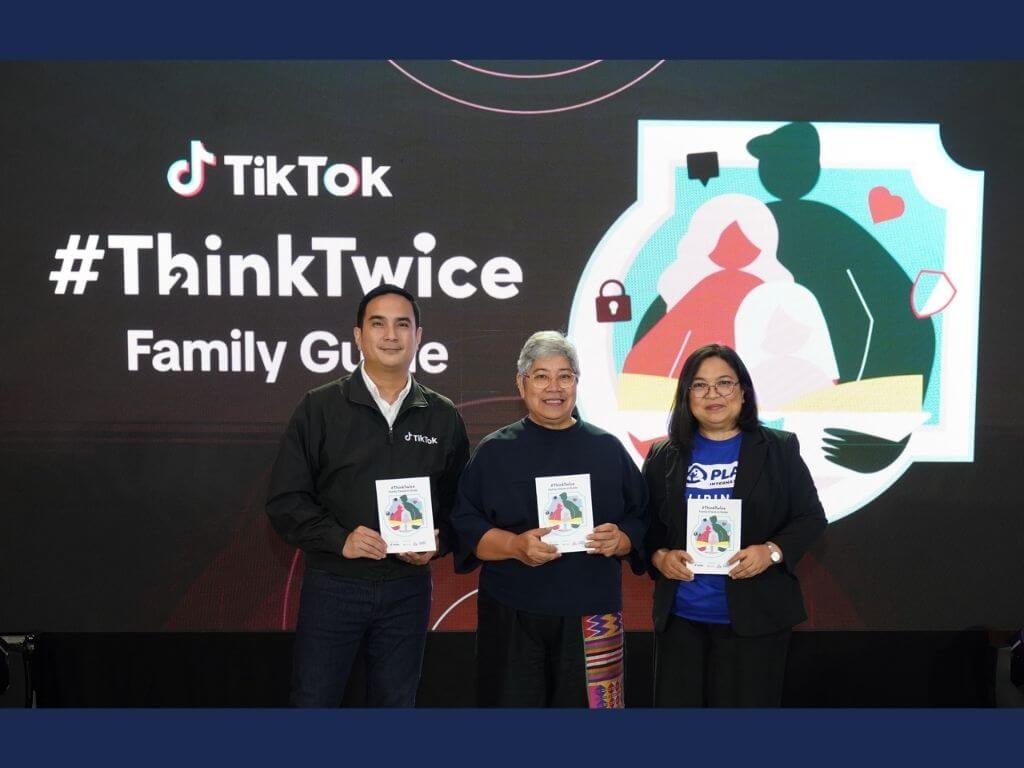
The short-form video platform launched its #ThinkTwice Family Guide on Aug. 11, developed with Child Rights Coalition-Asia, Child Rights Network and Plan International Pilipinas.
The resource includes conversation starters, reflection activities, digital safety tips and information about TikTok safety tools.
Why it matters
Digital spaces increasingly form part of young people's everyday social lives, making parental guidance more complex than monitoring screen time or individual apps.
"For many families today, digital life is no longer separate from everyday life—it’s where young people learn, socialize, create, and discover who they are," TikTok public policy head for the Philippines Yves Gonzalez said in a press statement.
The big picture
TikTok said teen accounts have more than 50 preset safety and privacy features, including private accounts, content restrictions and daily screen-time limits of 60 minutes.
Its new guide is intended to complement those technical controls and Family Pairing tools with conversations at home.
What they're saying
Child-rights advocates framed digital safety as a shared responsibility and stressed that teenagers should participate in shaping safer online environments.
"For parents, our goal is not to become technology police. We don’t need to know every app or every trend. What matters more is becoming a trusted digital guide—someone your teen can turn to when something uncomfortable or confusing happens online," Plan International Pilipinas program manager Sheila Estabillo said.
Zoom in
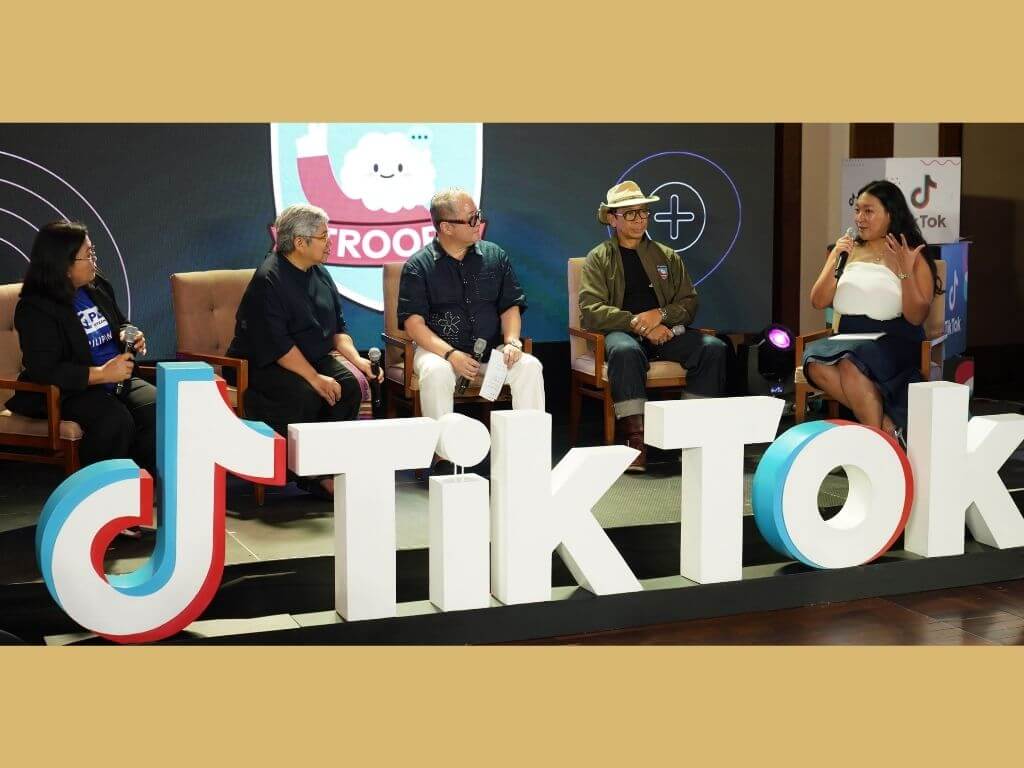
The guide was introduced during the #ThinkTwice Troop Townhall marking International Youth Day, where teen advocates, child-rights groups, experts and parents discussed balancing young people's growing online independence with support from trusted adults.
“Teens nowadays are different. We just have to accept, as parents, that teens are different, and we have to speak their language," veteran television host, educator, and parent creator Kim Atienza said.
TikTok's approach signals that platform safeguards are only one part of teen safety, with family relationships increasingly treated as another line of support. —Vanessa Hidalgo| Ed: Corrie S. Narisma