
In a statement, the group said efforts to make the internet safer for young users should not only address harmful content and other digital risks but also support responsible expression and access to online tools that allow people to learn, participate in their communities and pursue economic opportunities.
PLDT Inc. and its wireless unit, Smart Communications Inc., brought together representatives from government, the telecommunications and technology industries, schools, families and child protection groups for the “Safe Online Space Forum: Building Safer Online Spaces for Filipino Children and Families.
"The initiative comes amid concerns over school-related violence involving young Filipinos and children's exposure to harmful and graphic material online, where content and threats can spread rapidly and potentially intensify problems surrounding real-world incidents.
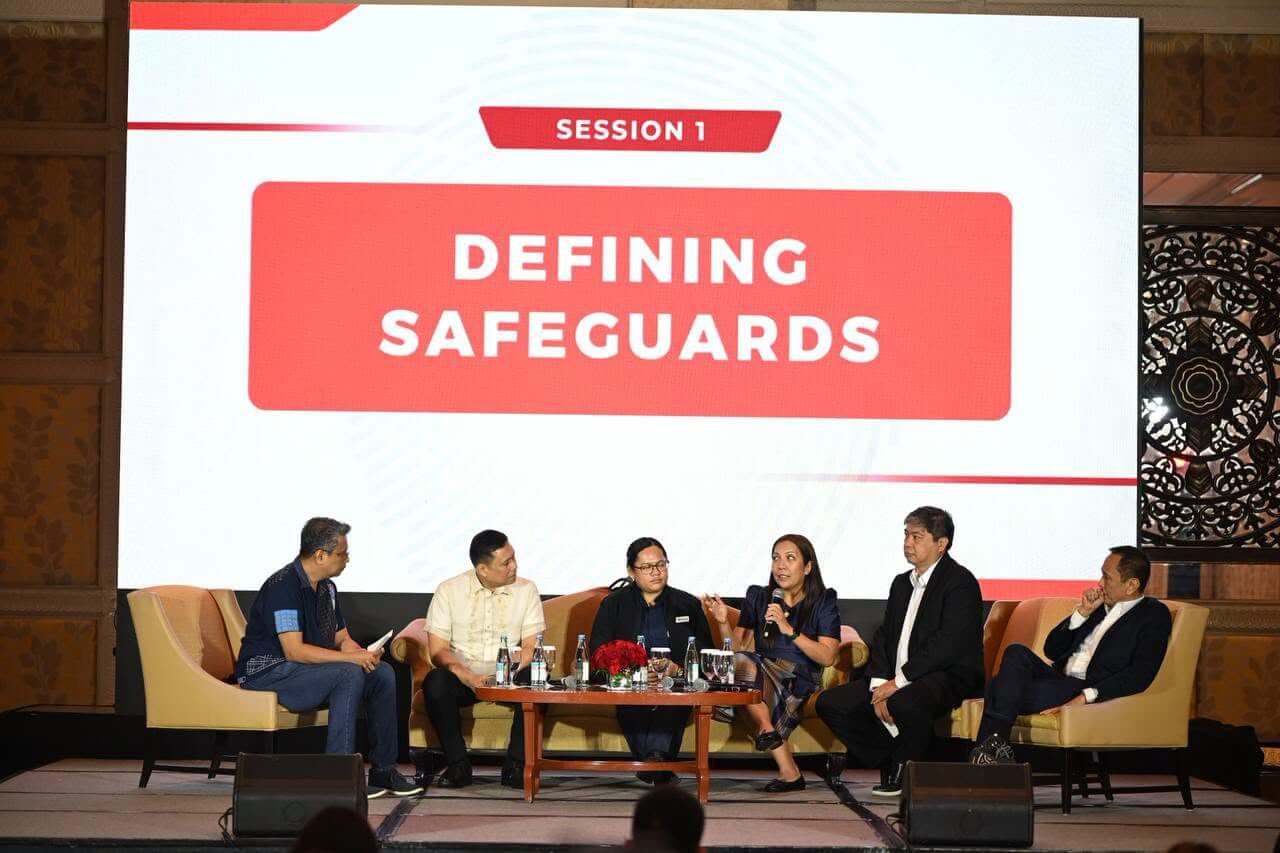
Shared responsibility
PLDT chief operating officer Menardo G. Jimenez said telecommunications companies can use their networks and reach to reduce digital risks but cannot address the problem on their own.
"While we have done what a network like us can do on our own, we also acknowledge that no single player can solve this alone. Our role as PLDT is to use our network and our reach to help reduce these digital risks, and to gather different perspectives to come up with clear priorities and practical recommendations as we move forward," Jimenez said.
Participants in the forum included representatives from the Senate, Department of Education (DepEd), Philippine National Police-Women and Children Protection, Cybercrime Investigation and Coordinating Center (CICC), Department of Social Welfare and Development (DSWD), Converge ICT Solutions and TikTok.
Media and nongovernment organizations, medical professionals, teachers, gamers and parents also joined the discussions.
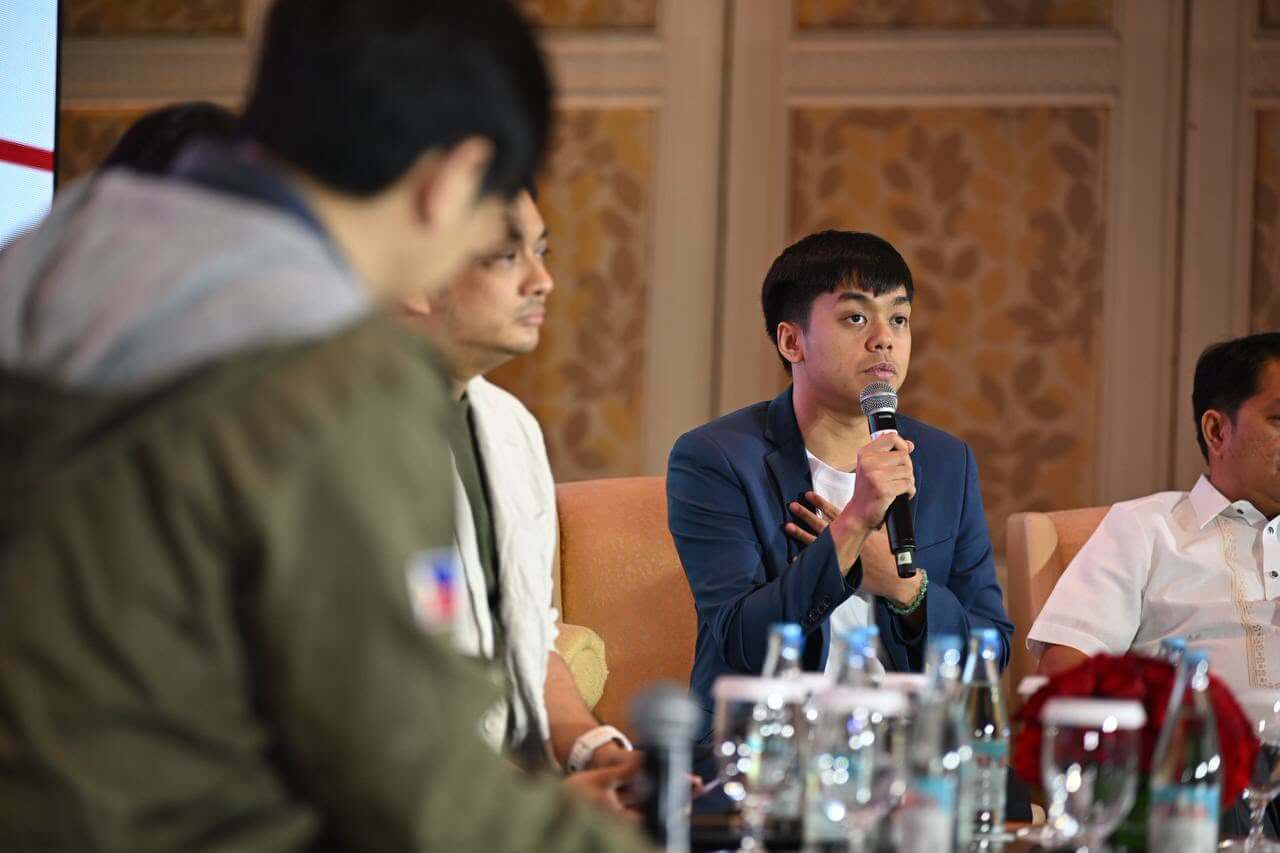
Three areas
The forum centered on three areas: safeguards involving policy, regulation and network responsibility; measures to address harmful online content; and ways to protect and empower children.
Discussions on harmful content focused on how technology platforms and digital communities can identify potentially damaging material, prevent its amplification and improve coordination across platforms.
The child protection discussions, meanwhile, examined how families, schools and communities can strengthen children's ability to navigate digital environments and provide support when online harm occurs.
PLDT said bringing the different sectors together is intended to produce clearer priorities and practical recommendations rather than place responsibility for children's online safety on any single institution.

Broader effort
The forum forms part of the PLDT Group's broader push for multi-stakeholder approaches to digital safety.
PLDT recently joined the Council for the Welfare of Children, CICC, PNP, educators, content creators and medical experts in a separate forum focused on protecting children from online violence and exploitation.
That initiative was spearheaded by PLDT-led PROTECTA Pilipinas, an alliance involving government, industry and communities that seeks to strengthen cyber resilience, protect critical infrastructure and promote safer digital environments.
PLDT said these efforts also support the United Nations Sustainable Development Goals on peace, justice and strong institutions and on partnerships for sustainable development. —Ed: Corrie S. Narisma