Insider Spotlight
The telecommunications group recently gathered experts from government, agriculture, water management and business continuity to help employees understand climate risks and prepare for their potential impact on operations, households and communities.
Prolonged dry conditions could disrupt agricultural production, strain water and energy supplies, increase household expenses and affect business operations, making early intervention critical to protecting economic activity.
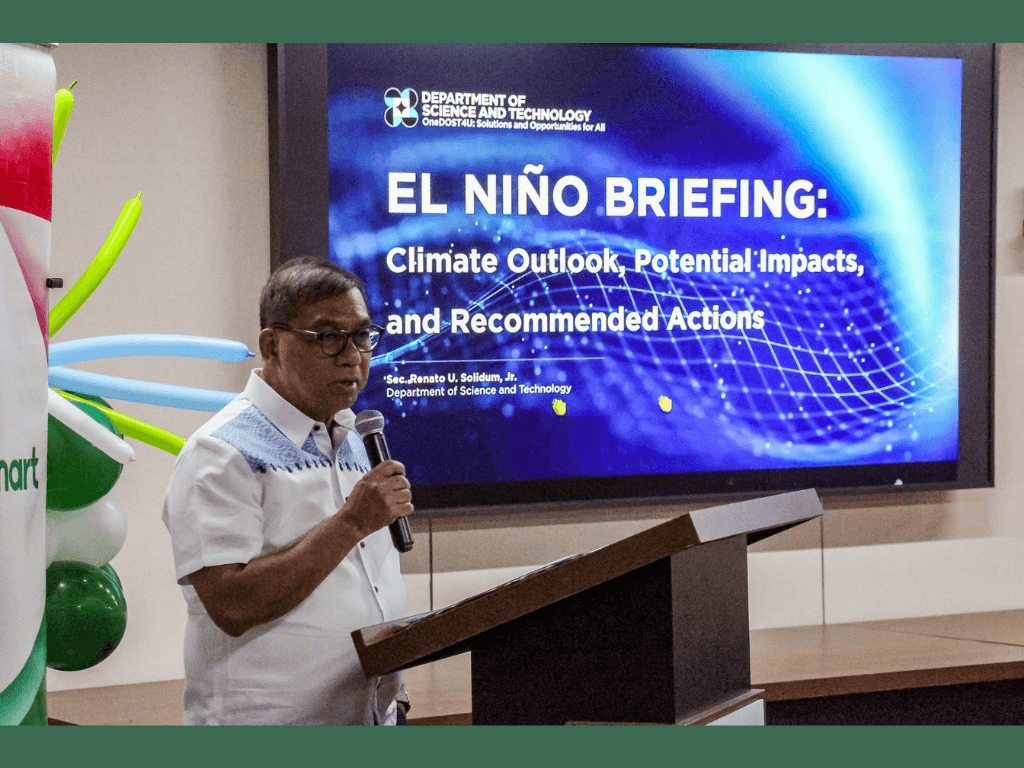
Department of Science and TechnologySecretary Renato U. Solidum Jr. stressed that preparedness, rather than weather conditions alone, determines the extent of potential damage.
“An El Niño forecast tells us what may happen. But it is preparedness and implementation that will determine impact,” Solidum said in a press statement.
“Resilience is not simply surviving, we must also be economically thriving,” he added.
Workforce preparedness
Through its #KonektedforResilience initiative, PLDT and Smart are integrating climate awareness into workforce preparedness while strengthening measures to protect telecommunications infrastructure.
The group is optimizing resource management, preparing facilities for extreme weather conditions and reinforcing business continuity systems to help maintain connectivity services during climate-related disruptions.
“Preparedness starts with understanding,” PLDT and Smart FVP and head of public engagement group Roby Alampay said.

Infrastructure investment
DOST-PAGASA climate monitoring and prediction section chief Ana Liza Solis urged Filipinos to regularly monitor official forecasts and advisories to make informed decisions before conditions worsen.
Maynilad vice president and head of water supply operations Ronaldo Padua emphasized that water security requires both infrastructure investment and responsible consumption.
Meanwhile, AGREA Foundation executive director Christine Jodloman encouraged households to reduce food waste, support local producers and cultivate drought-resilient crops to strengthen food security.
PLDT and Smart will continue promoting science-based preparedness while strengthening operational safeguards against climate disruptions.
“We should not wait for shortages before we change our habits,” PLDT and Smart senior manager and head of business continuity tactical response engineering Miguel Gutierrez said.
“We should already be adjusting how we use water, consume food, and manage resources today,” he added. —Vanessa Hidalgo | Ed: Corrie S. Narisma