“ASPAs cannot be completed for facilities that are not yet operational or whose technical capability has not yet been established,” NGCP said. “Execution timelines are driven by availability and technical compliance by suppliers.”
NGCP was responding to the DOE’s statement that recent yellow and red alerts in the Visayas could have been avoided had the grid operator finalized critical ancillary services contracts on time.
The DOE said it had directed NGCP as early as May 22 to execute ASPAs for at least 250 megawatts (MW) of reserve capacity in the Visayas to strengthen power system reliability and security, following the declaration of a State of National Energy Emergency under Executive Order No. 110.
The department issued further directives to NGCP on May 27, June 16, June 18 and Aug. 3, primarily to address the critical power situation in the Visayas.
The DOE said NGCP’s failure to fully execute and file the required agreements prompted the department to issue a show cause order on Aug. 13.
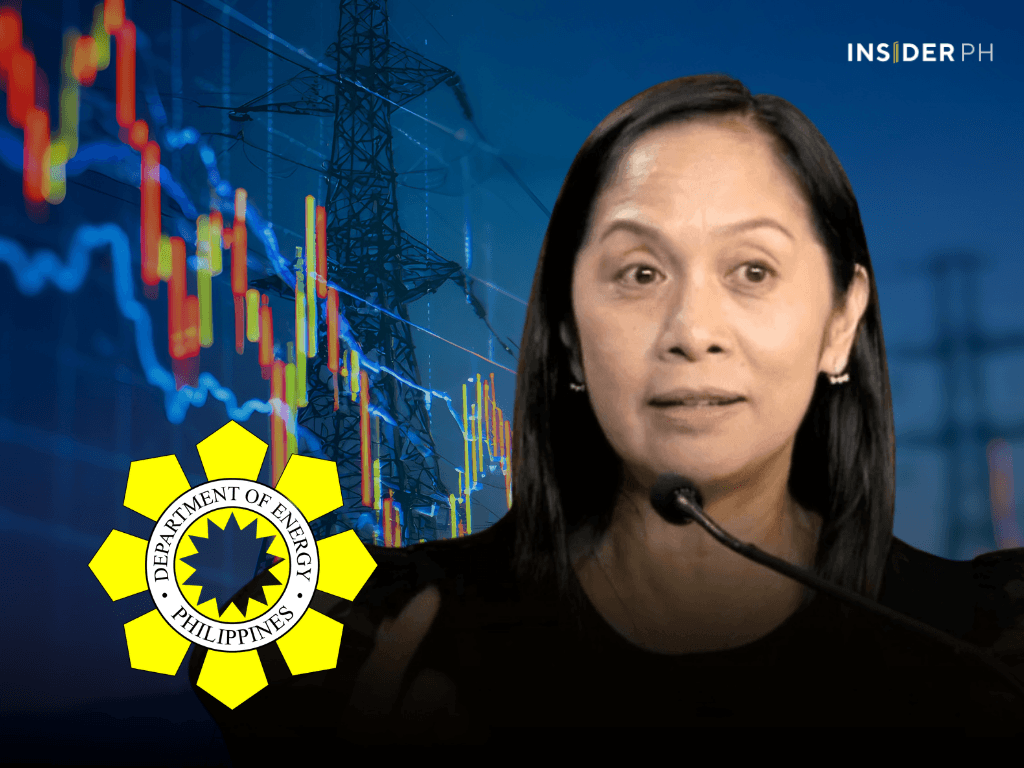
“We saw the risk as early as May and directed NGCP to secure the necessary reserves. The batteries were there. The Visayas needed these reserves on the grid months ago. What was missing was timely execution. Delays in contracting left consumers with less protection when generating units unexpectedly went offline,” Energy Secretary Sharon S. Garin said.
The DOE said battery energy storage systems (BESS) could provide fast-response reserves during unexpected outages of generating units, helping stabilize the grid and prevent supply shortages from escalating into yellow or red alerts.
Electricity costs
The department said contracting delays also had implications for electricity costs. It explained that firm ancillary services contracts provide committed reserves that can reduce reliance on the reserve market, where prices can rise sharply during periods of tight supply.
According to the DOE, a simulation by the Independent Electricity Market Operator of the Philippines (IEMOP) indicated that timely delivery of the reserves could have prevented the alerts and helped temper electricity market prices.
The simulation projected that delays in completing and executing the ASPAs could result in at least 10 red alerts and 30 yellow alerts, with electricity market prices averaging more than P12 per kilowatt-hour.
The DOE said recurring alerts and rotational power interruptions had disrupted production and commercial operations, shortened business hours and forced businesses to use generator sets and other backup power sources, increasing operating costs.
Citing its coordination with business and industry groups, the DOE said micro, small and medium enterprises were particularly affected because they had less capacity to absorb prolonged power interruptions and higher energy costs.
Despite its repeated directives, the DOE said the required connections, testing and commissioning, as well as the execution of the ASPAs, remained pending. It said these steps required action from NGCP in its roles as system operator and transmission service provider.
Supplier readiness
In response, NGCP said the recent alerts occurred after simultaneous outages of generating units reduced available supply below the level needed to meet electricity demand and ancillary services requirements.
The grid operator said ancillary services provide balancing and technical support to maintain grid stability and respond to contingencies, but should not be treated as a substitute for adequate generating capacity.
NGCP said it continued to pursue additional ancillary services agreements in compliance with DOE directives. However, it said these agreements require qualified and available facilities whose technical capabilities can be validated through prescribed connection, commissioning and testing processes.The company said it was also implementing transmission projects and other measures to improve power transfer capability across the Visayas.
NGCP acknowledged the DOE’s concerns and reaffirmed its commitment to working with the department and other industry participants on timely measures to strengthen grid reliability.
Transmission constraints
The DOE also raised concerns over transmission constraints that restricted the flow of additional electricity from Luzon to Leyte and from Leyte to Cebu, limiting the grid’s ability to deliver available power where it was needed.
It said it had repeatedly directed NGCP to accelerate critical transmission projects, prepare infrastructure to connect generating facilities based on their respective system impact studies, and implement the transmission development plan on time.
“As a system operator, NGCP must maintain sufficient reserves to protect the grid. It must also ensure that adequate transmission infrastructure is completed on time so electricity can flow where it is needed,” Garin said.
The DOE said it would work with Congress and other government stakeholders to pursue accountability for failures that contributed to recurring power alerts in the Visayas.
It warned that continued noncompliance with its directives could lead to administrative proceedings, penalties, sanctions and other legal remedies. —Ed: Corrie S. Narisma

Contributor