Insider Spotlight
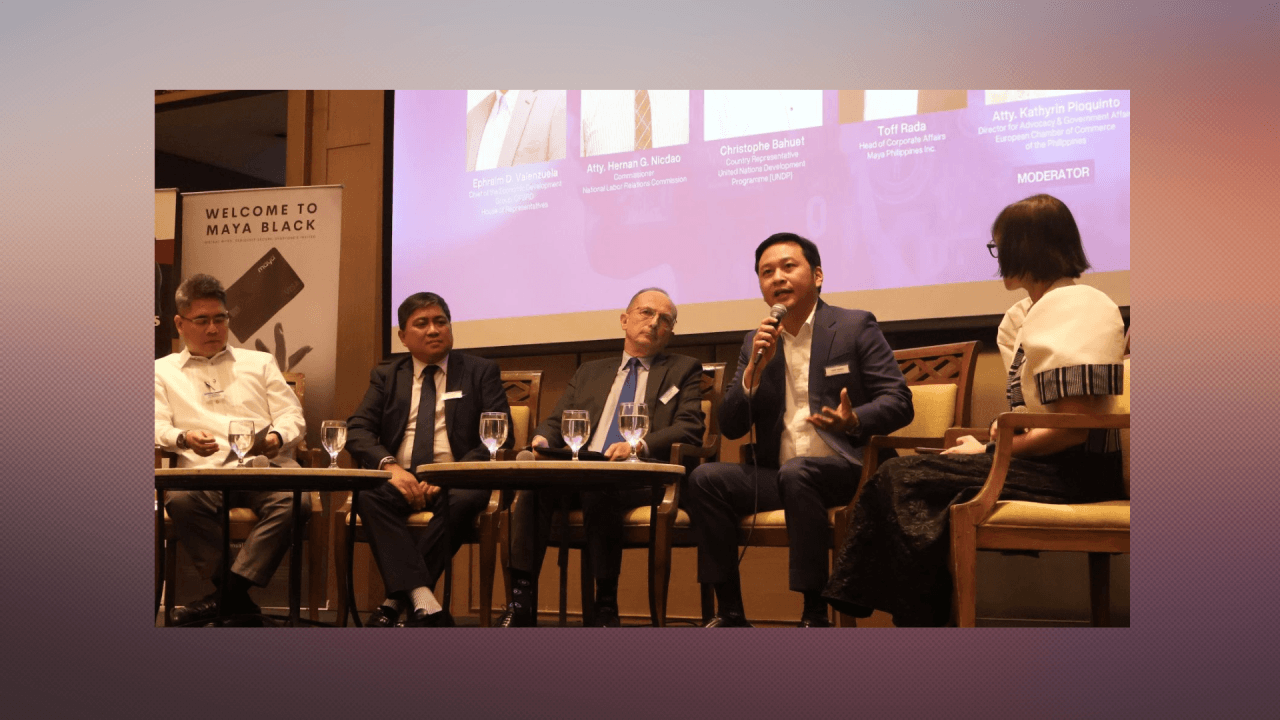
Speaking at the European Chamber of Commerce of the Philippines 2026 Future of Work Forum, Maya head of corporate affairs Kristoffer Rada said reliable digital salary disbursement can serve as an entry point to broader financial health.
Why it matters
“The future of work should also mean better financial tools for workers. Reliable digital salary disbursement is the starting point,” Rada said. “When payroll connects people to saving, payments and responsible credit, it can support financial health well beyond payday.”
Maya is working with BPO companies and the IT and Business Process Association of the Philippines to expand financial access for nearly 1.9 million digital Filipino workers and explore modernized payroll, disbursement and reimbursement workflows.
Through Maya Business, employers can send salaries and other employee payouts digitally at scale, helping reduce manual processes and administrative work, according to a company release.
The bigger picture
Maya said connecting employer disbursements with its consumer app allows workers to receive and manage salaries within the same ecosystem, including making payments and setting aside savings.
As customers build their financial footprint, the company sees data and AI supporting more informed credit decisions, particularly for people with limited traditional credit histories.
“Payroll should not end with the disbursement of a salary,” Rada said. “Done well, it can connect workers to financial tools that help them manage everyday needs, prepare for emergencies and build toward longer-term goals.”
What’s next
Maya also supports payroll portability, which would allow employees to choose where their salaries are deposited through bank-agnostic and interoperable payment infrastructure. Open Finance could complement this by enabling workers to consent to sharing financial information with service providers.
“Digital payroll is the starting point. Payroll portability can eventually give workers more choice over where their salaries go, while Open Finance can help them use their own data to access more relevant services,” Rada said.
Maya also uses AI across digital onboarding, credit assessment, fraud detection, personalization, customer service and operations. Its formal AI governance framework began in 2024, followed by a board-approved policy covering areas including risk classification, testing, monitoring, security and human accountability.
“AI is going to change how work gets done, but the bigger question for businesses is how to capture that value responsibly,” Rada said. “That means knowing where AI creates real value, where people still need to make the call and keeping clear accountability for the outcome.” —Princess Daisy C. Ominga | Ed: Corrie S. Narisma