Insider Spotlight
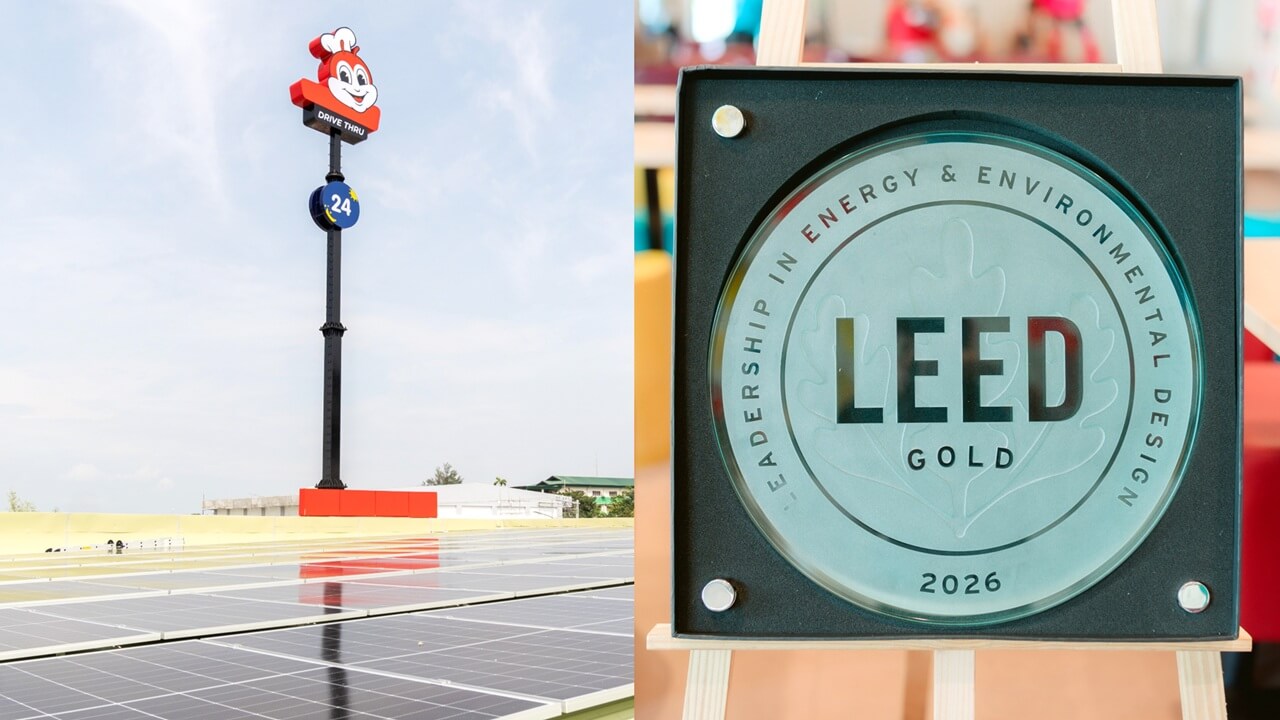
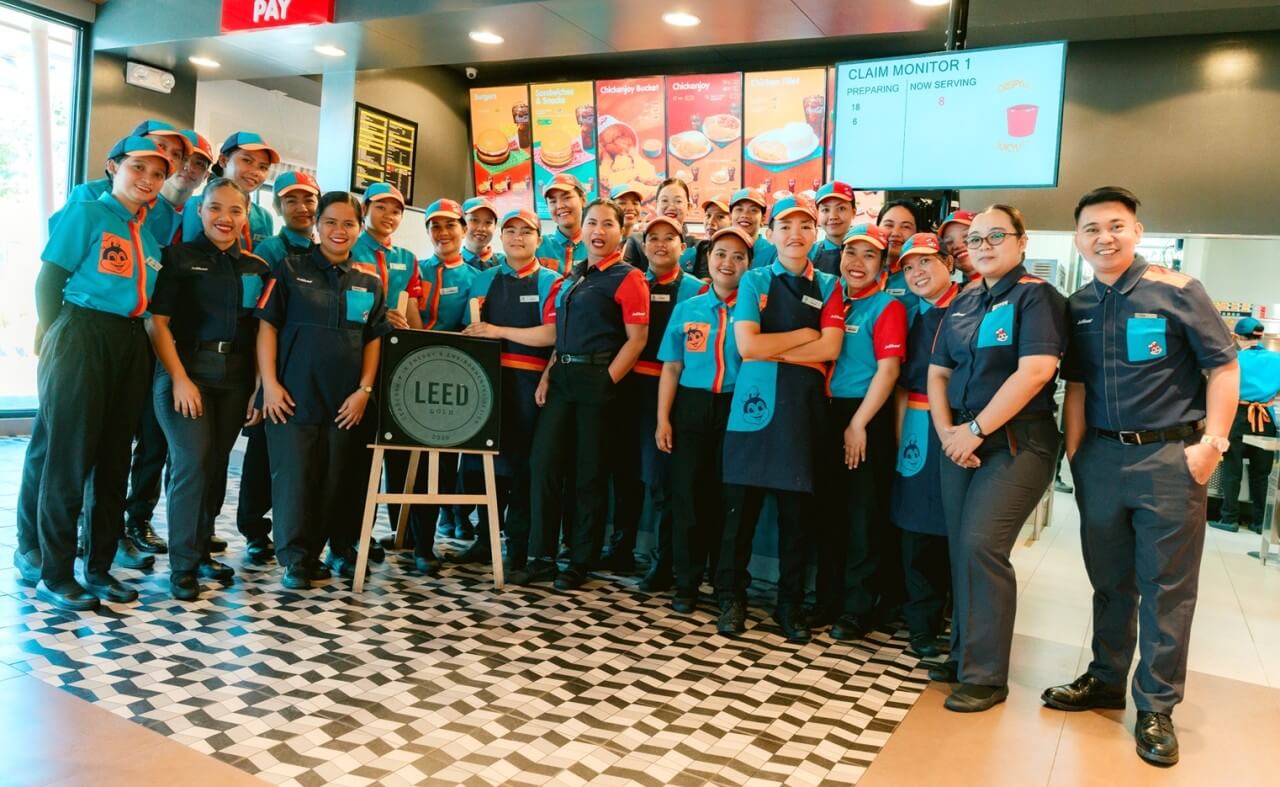
The certification, granted by the U.S. Green Building Council, recognizes the company’s Enrile, Tuguegarao City branch for meeting global standards in energy efficiency, water conservation, waste management, and indoor environmental quality.
Unlike design-focused certifications, LEED O+M evaluates how buildings perform in daily operations, signaling a deeper integration of sustainability practices.
Why it matters
The move positions Jollibee among early adopters of operations-led sustainability in the Philippine fast food sector, where environmental efforts have typically centered on construction and materials rather than ongoing performance.
With rising electricity costs and intensifying climate pressures, embedding efficiency into daily operations can translate into both cost savings and reduced environmental impact.
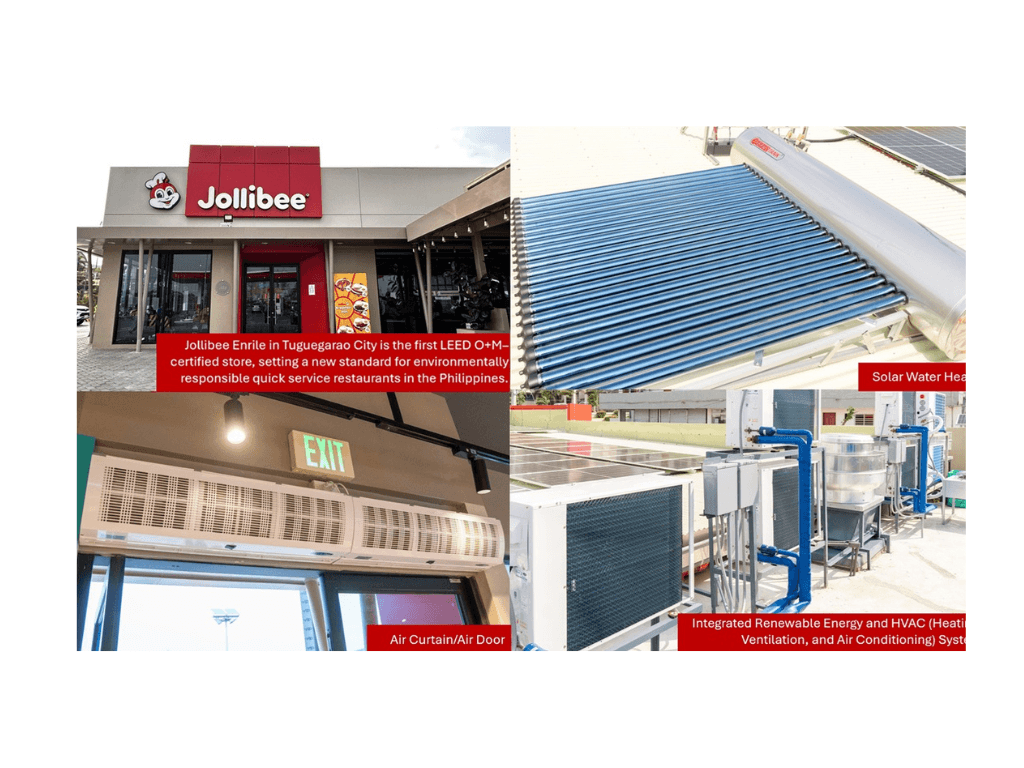
As outlined in a company release, the Enrile store integrates rooftop solar panels capable of cutting electricity use by up to 30 percent, alongside solar water heating, energy-efficient motors, and LED lighting.
It also deploys solar window films to reduce indoor heat and cooling demand. Water systems include motion-sensor faucets, rainwater harvesting, and an on-site wastewater treatment facility that enables reuse for non-potable needs.
What they’re saying
“Sustainability is integrated into how we design and operate our stores as we continue to evolve and improve across the network,” said Jollibee Philippines president Ferns Yu, Jr. “We will continue to strengthen this commitment as we build more stores and support the communities we serve.”
The big picture
The initiative forms part of Jollibee Group’s “Joy for Tomorrow” program, which aligns sustainability efforts across food, people, and the planet. The company plans to scale similar technologies across more locations nationwide, signaling a long-term strategy that links environmental stewardship with operational resilience and growth. — Princess Daisy C. Ominga Ed: Corrie S. Narisma