Located in Barangay Libjo, Batangas City, the Isla Import Terminals, Inc. (IITI) facility is designed to support the country’s growing demand for liquefied petroleum gas (LPG) while enhancing supply reliability for households and industries nationwide.
The new terminal serves not only as a logistical hub but also as a cornerstone of Isla Group’s long-term strategy to ensure a steady, safe, and efficient energy supply across the archipelago.
Expanding energy capacity
The IITI terminal is positioned as the central node of Solane’s nationwide distribution network, bridging global LPG supply with domestic demand. It is engineered to handle large-scale imports and facilitate efficient distribution to various regions, supporting both industrial users and everyday consumers.
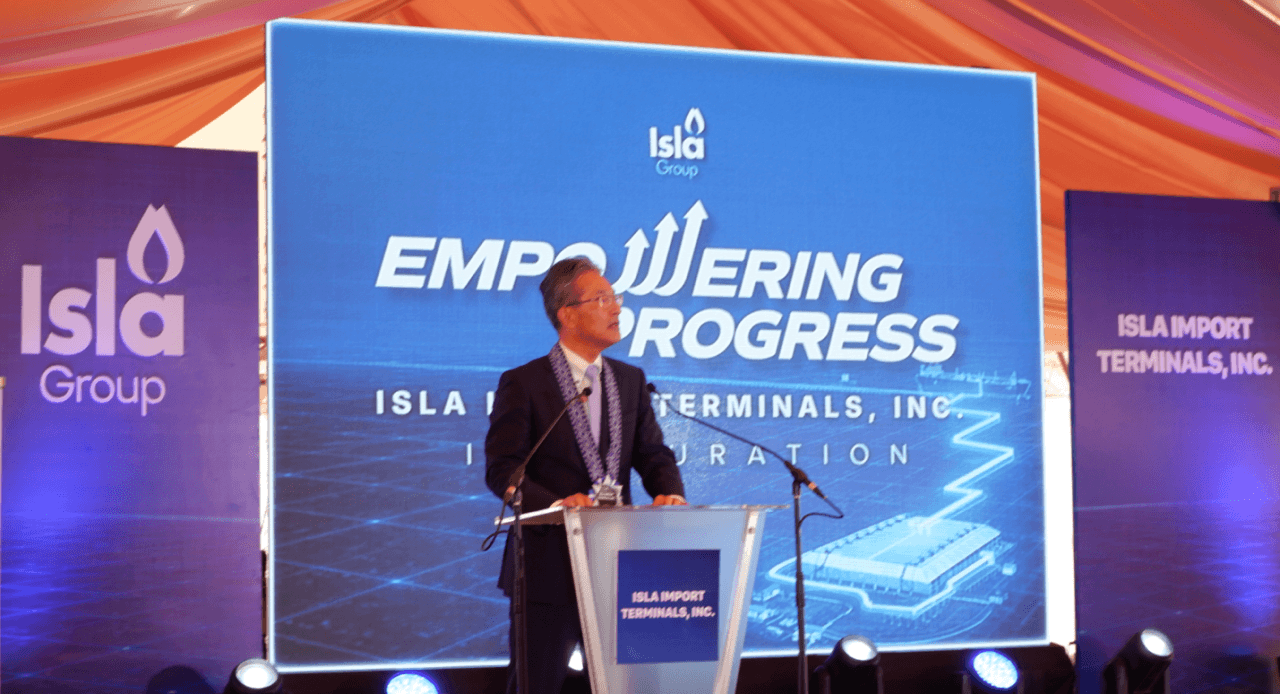
“This terminal is far more than infrastructure—it represents our commitment to strengthening the nation’s energy supply and our pursuit of operational excellence,” said Tomoaki Asai, chief executive officer of Isla Group.
The facility’s development, which has been in planning for over a decade, reflects the company’s efforts to expand capacity and improve logistics, particularly in key growth areas such as South Luzon.
According to company officials, the terminal’s ability to handle cargo from Filipino-Japanese joint ventures, including partnerships with firms like ITOCHU Corp., enhances supply diversification and reduces reliance on traditional sources such as the Persian Gulf.
Strengthening supply chains
The new facility is also expected to improve the efficiency of LPG distribution through integrated logistics solutions. Isla Group has partnered with Magsaysay Shipping to deploy its own LPG tanker, enabling more reliable delivery across the country.
This move is seen to benefit a wide range of users—from small businesses and local eateries to large industrial operations—by ensuring consistent access to LPG.
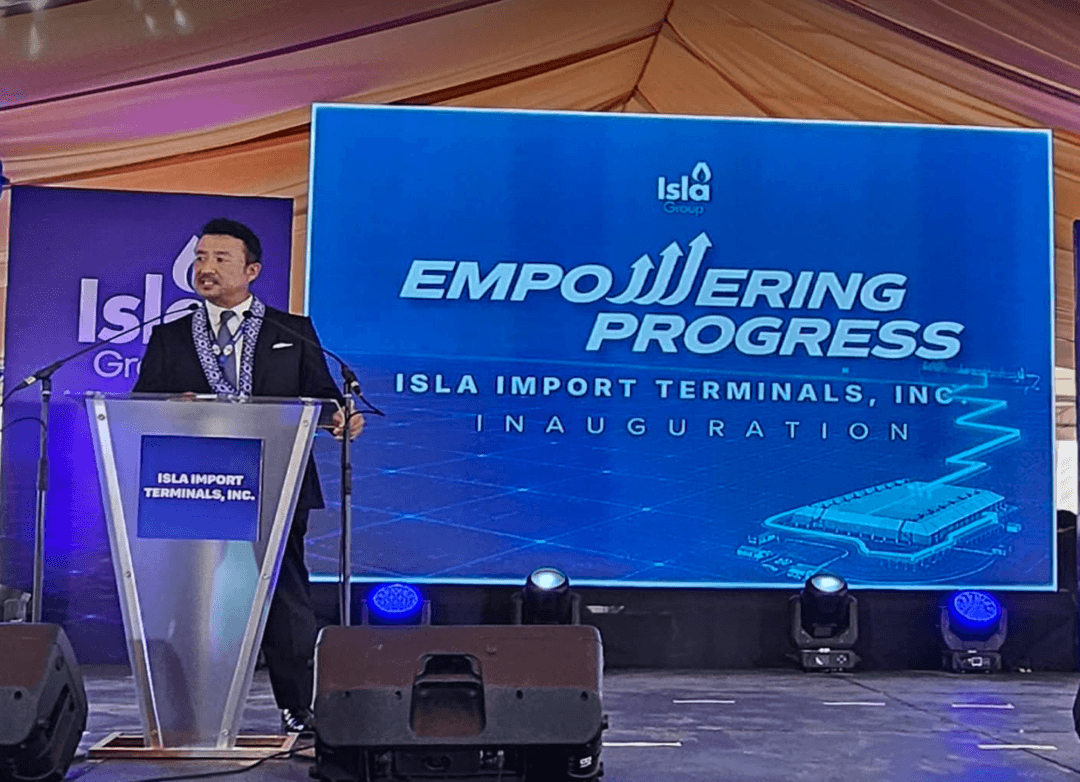
“Now that we have our own facility, we can better support the industry in South Luzon and improve logistics for all players,” a company executive said during the inauguration.
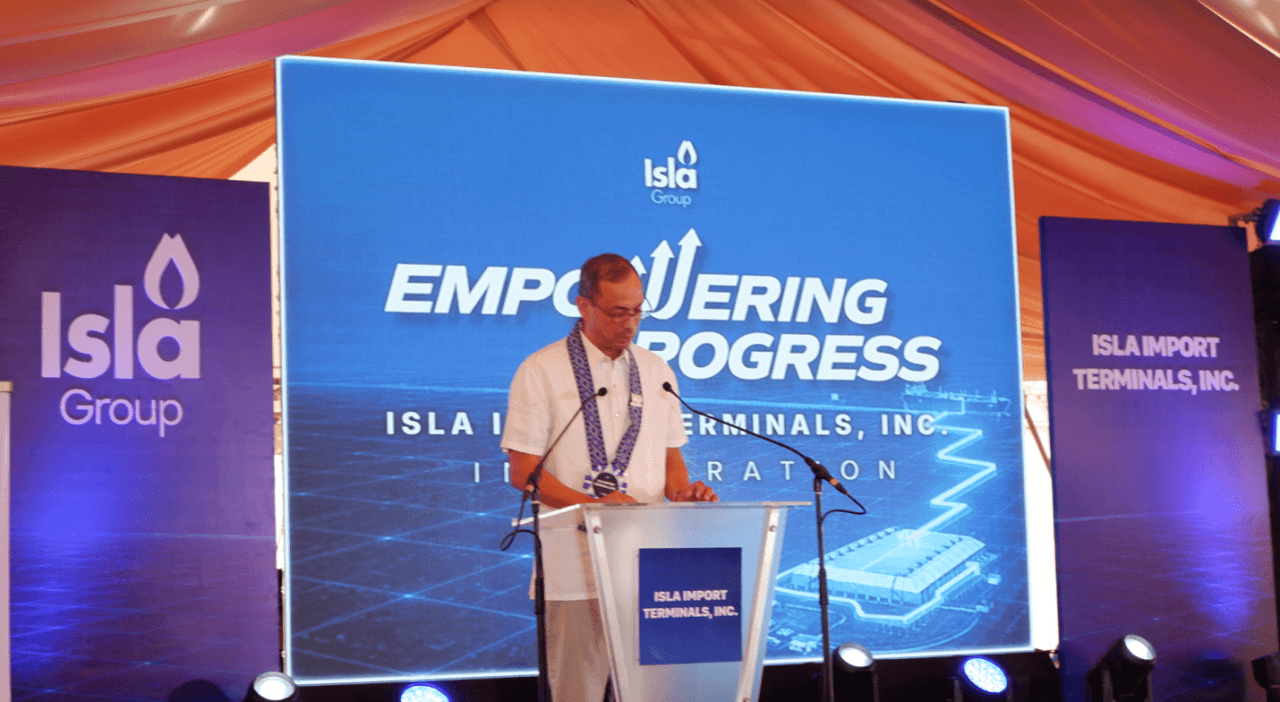
Beyond logistics, the terminal plays a key role in Isla Group’s broader initiative, “Empowering Progress,” which underscores its commitment to making clean and efficient energy accessible to Filipino communities.
Setting safety standards
The IITI plant is equipped with advanced safety systems and monitoring technologies designed to meet global standards. From modern storage facilities to enhanced control mechanisms, the terminal is built to ensure operational safety and environmental responsibility.
Industry partners highlighted that the Batangas facility will serve as a critical entry point for LPG imports, helping stabilize supply and support energy security.
“The LPG received here will be transported across the archipelago, ensuring stable supply and supporting national development,” a partner representative said.
Driving partnerships
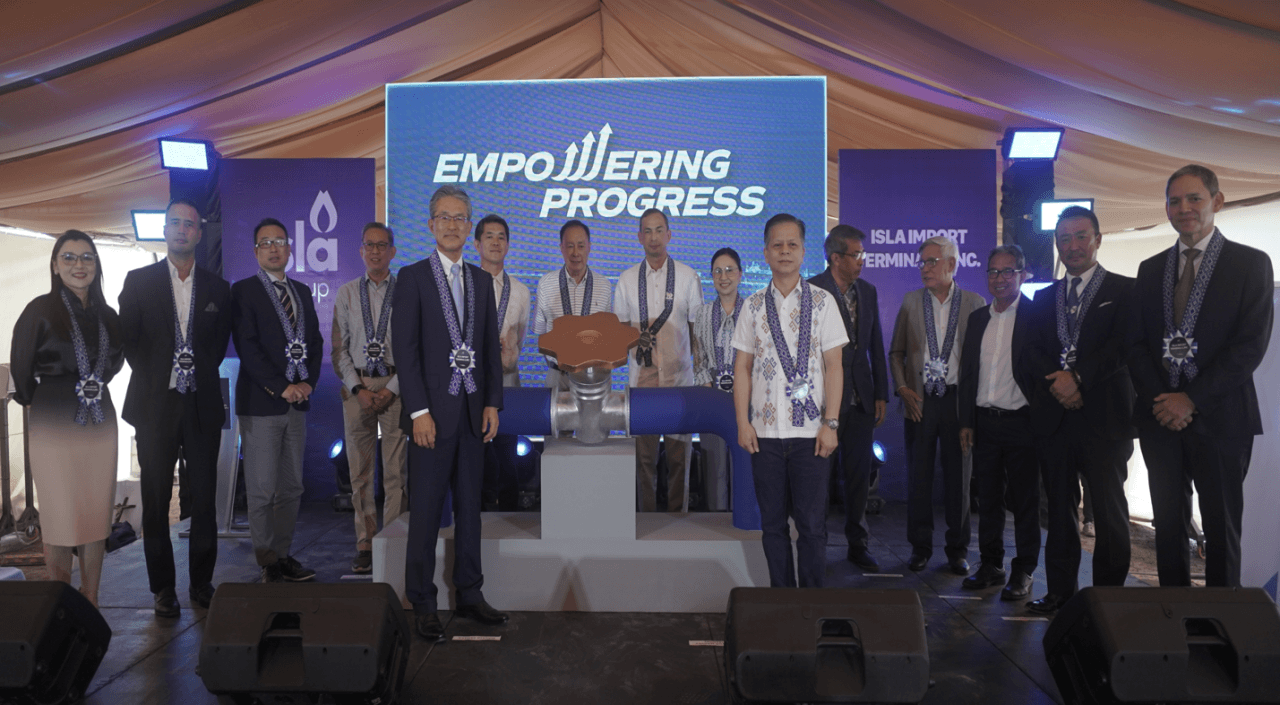
The inauguration event drew key stakeholders from both the public and private sectors, including representatives from the Department of Trade and Industry, the Department of Energy, and the local government of Batangas City, as well as officials from the Japanese government.
The collaboration underscores the role of public-private partnerships in strengthening the country’s energy sector and enabling infrastructure development.
Positioning for growth
With the launch of the IITI terminal, Isla Group is positioning itself as a strategic partner for global energy players seeking opportunities in the Philippine market.
Backed by its expanding infrastructure and integrated operations—from importation and logistics to distribution—the company aims to support the country’s long-term energy needs while maintaining high standards of safety and reliability.
As demand for cleaner and more efficient energy sources continues to rise, investments in facilities such as the Batangas terminal are expected to play a vital role in ensuring supply stability and supporting economic growth. —Ed: Corrie S. Narisma