Rising demand
The local prefabricated construction sector is expanding rapidly, with a projected compound annual growth rate (CAGR) of 11.07 percent. This growth is largely driven by a housing backlog of nearly 6.94 million units, alongside increasing demand for disaster-resilient and ready-to-deploy housing.
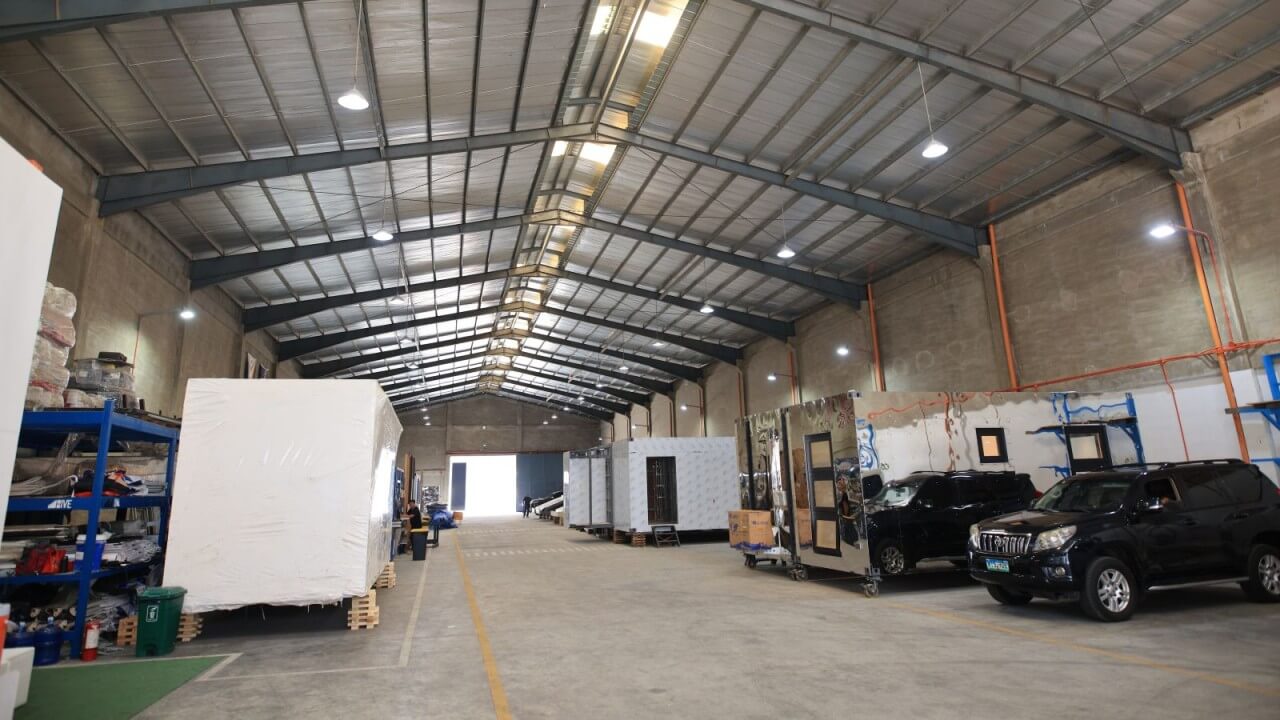
Hive Modular is addressing these challenges by integrating Building Information Modeling (BIM) and sustainable manufacturing practices into its operations. By shifting construction from traditional job sites to a controlled factory environment in Silang, Cavite, the company aims to improve efficiency, quality, and speed.
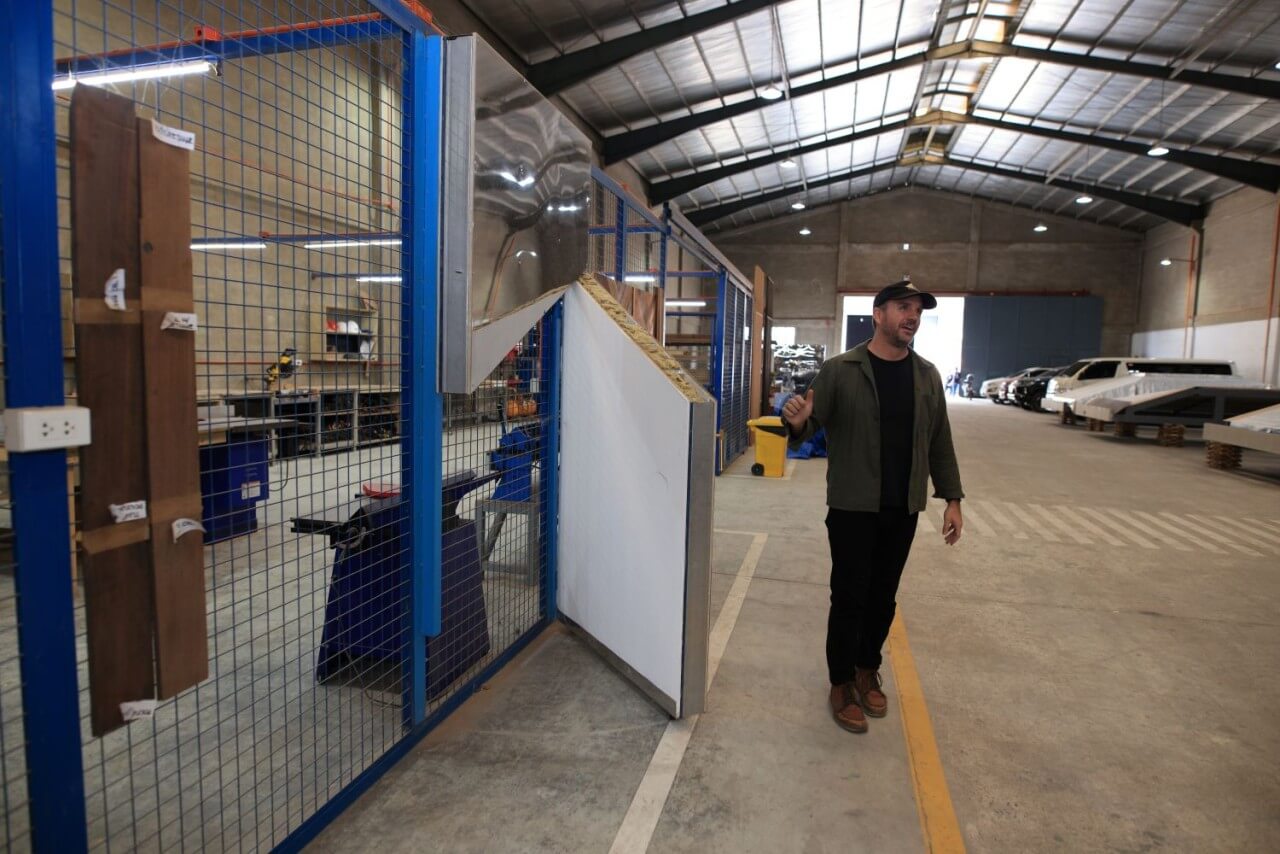
“Our vision at Hive is built around purpose,” co-founder and CEO John Avrett said in a statement. “The Hive method isn’t just about building faster—it’s also about giving people back their time and making the entire construction process simple and seamless.”
Avrett noted that many of the company’s clients are overseas Filipinos seeking to build homes locally without the complexity of managing construction remotely.
Jobs and industry shift
Beyond housing, Hive is also targeting a broader economic impact. While the traditional construction sector saw an estimated decline of around 550,000 jobs between late 2024 and 2025, the company is working to reverse this trend by creating higher-quality, more stable employment opportunities.
By transitioning labor from site-based work to manufacturing roles, Hive is helping upskill workers into more technical positions, contributing to a more resilient and future-ready workforce.
The company plans to expand its production team this year to meet growing demand, both domestically and internationally.
Global opportunity
With the global prefabricated and modular housing market projected to reach $203.49 billion by 2030, Hive sees significant export potential for Philippine-made modular solutions across the Asia-Pacific region and beyond.
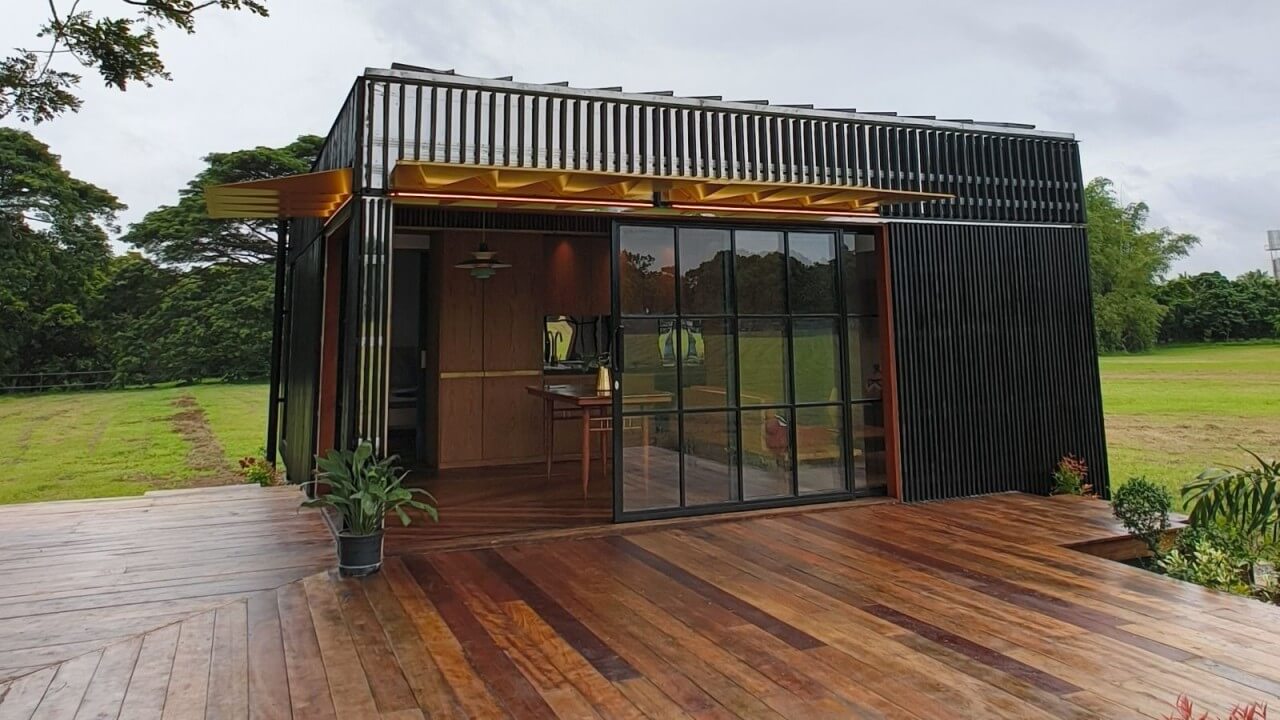
Its approach combines the efficiency of prefab construction with customizable designs, making quality housing more accessible—even in remote or hard-to-reach areas.
At the same time, Hive is investing in eco-friendly materials and processes, aiming to elevate the “Made in the Philippines” brand within the global green building sector.
Outlook
The rise of modular construction comes at a critical juncture for the Philippine economy, as demand for infrastructure and housing continues to grow amid a $44.5-billion public-private partnership pipeline.
For Hive, the shift toward manufacturing-led construction also offers a buffer against disruptions affecting the country’s service sector.
“We see prefabricated construction as a strong hedge against potential disruptions from AI and other changes impacting services,” Avrett said. “The Philippines is well-positioned to become a global leader in this space.”
As developers and homebuyers increasingly prioritize speed, efficiency, and sustainability, Hive Modular is betting that its “ready-made” approach will play a central role in shaping the future of the country’s property sector—and beyond. — Ed: Corrie S. Narisma