Insider Spotlight
The push reflects a broader industry challenge: boosting output while minimizing errors that can result from faster, more automated production lines.
Epson is positioning its quartz-based sensing technologies as one response to that challenge, drawing on expertise originally developed for the world’s first analog quartz watch and applying it to industrial robotics and automation.
Why it matters
In manufacturing environments, increasing machine speed can generate vibrations that affect performance, consistency, and product quality.
For sectors that rely on highly precise processes, even minor deviations can have significant operational and financial consequences.
The trend is particularly relevant in the Philippines, where electronics manufacturing, semiconductor assembly and testing, medical devices, and automotive components remain important contributors to exports.
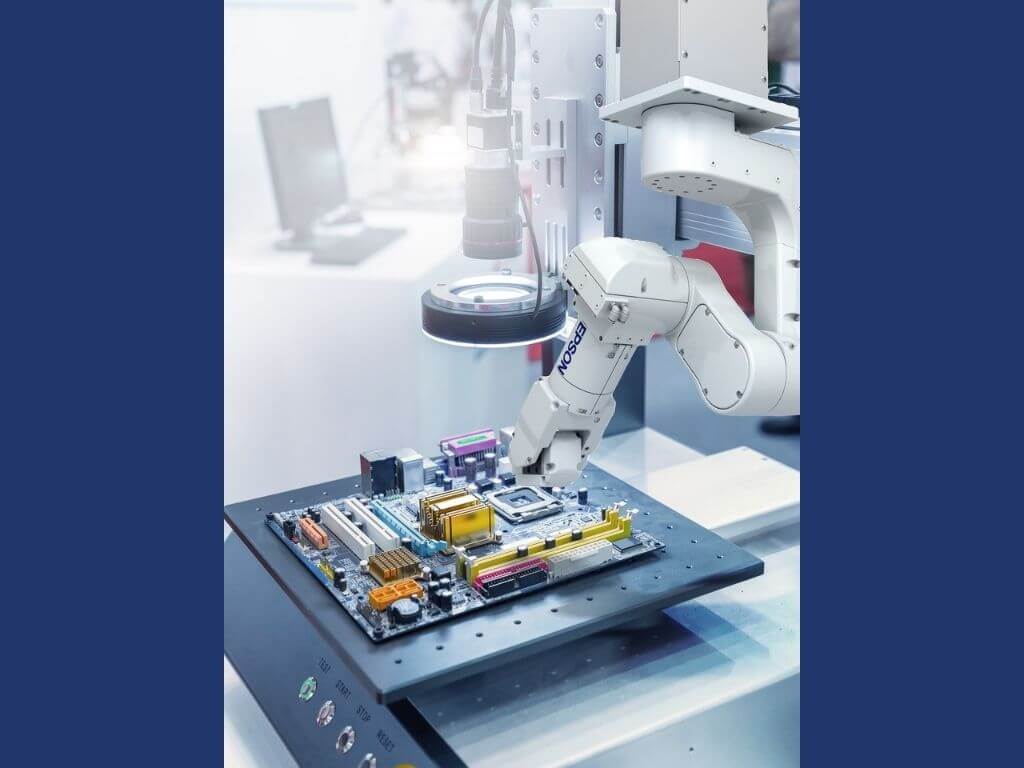
The technologyEpson’s proprietary ultra-compact Gyro Sensors combine quartz crystal technology with micro-electromechanical systems (MEMS) manufacturing processes. Installed directly on robot arms, the sensors detect minute vibrations in real time and relay data to robot control systems, allowing automated compensation for unwanted movement.
The result is intended to help manufacturers maintain precision during high-speed operations, potentially reducing defects and improving productivity without compromising quality standards.
Epson Philippines Corp. president and director Masako Kusama said, "Manufacturers today are looking for ways to increase productivity without compromising quality. Through our expertise in quartz technology and robotics, Epson is helping businesses overcome this challenge by improving precision, reducing errors, and enabling more efficient production processes. Our goal is to help manufacturers achieve better outcomes while making the most of their resources."
What’s next
Beyond vibration control, Epson is also advancing force-sensing technologies that enable robots to detect pressure and adjust movements when handling fragile components or conducting precision assembly work. The capabilities are available on selected SCARA and 6-axis robots.
"Precision has always been at the core of everything Epson builds. As more businesses in the Philippines explore automation, our goal is to provide practical and reliable solutions that help address real manufacturing challenges while supporting long-term growth," Kusama said in a press statement. —Vanessa Hidalgo| Ed: Corrie S. Narisma