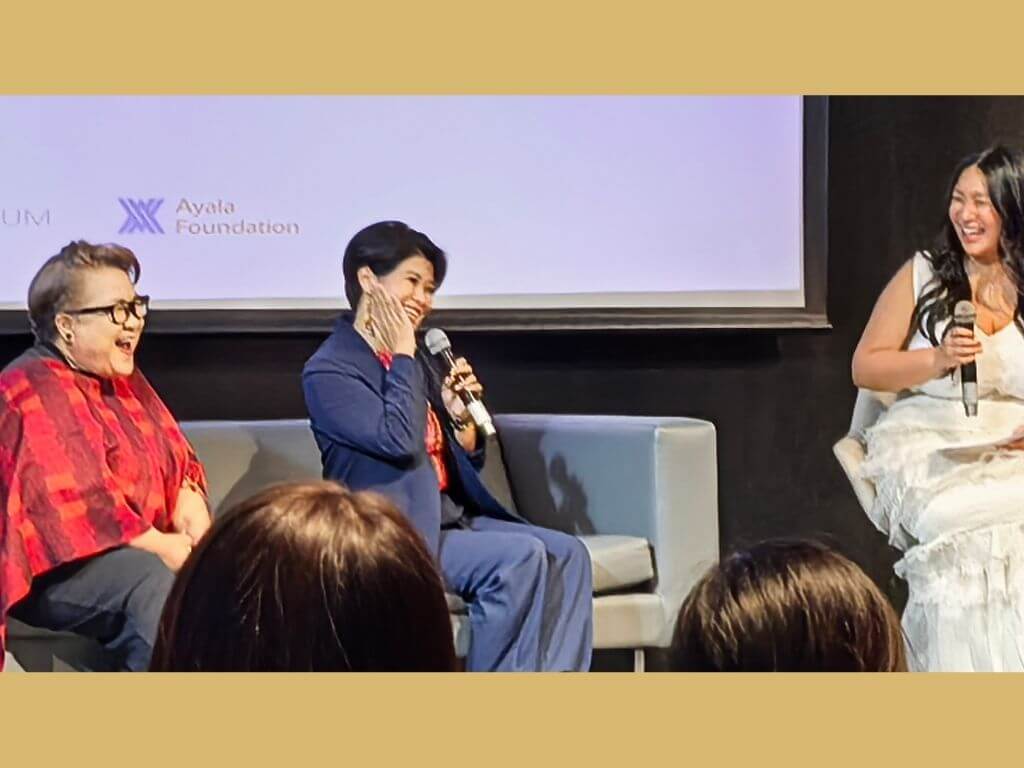
TikTok, in collaboration with Ayala Foundation and Ayala Museum, brought together culture bearers, including curators of cultural institutions, content creators and heritage advocates, for the TikTok Content Camp: Arts and Culture Advocacy Edition.
The event centered on how creators and cultural institutions can use digital storytelling to make educational content more accessible without compromising credibility and accountability.
The museum connection
Through the #MuseumTok community, museums around the world are using short-form videos to engage audiences. Creator-led content is also helping make art and culture more accessible to wider audiences.
According to TikTok's 2026 Museum Insights Report: Scrolling Through Culture, two in five TikTok users globally are interested in historical events, while posts under #HistoryTok have more than doubled year over year, surpassing 900,000 posts.
Meanwhile, content under #Museum continues to gain momentum, with more than one million posts on the platform and a 67 percent year-over-year increase. This demonstrates how museums of all sizes are finding new ways to connect with audiences through short-form video.
Accessible but accurate
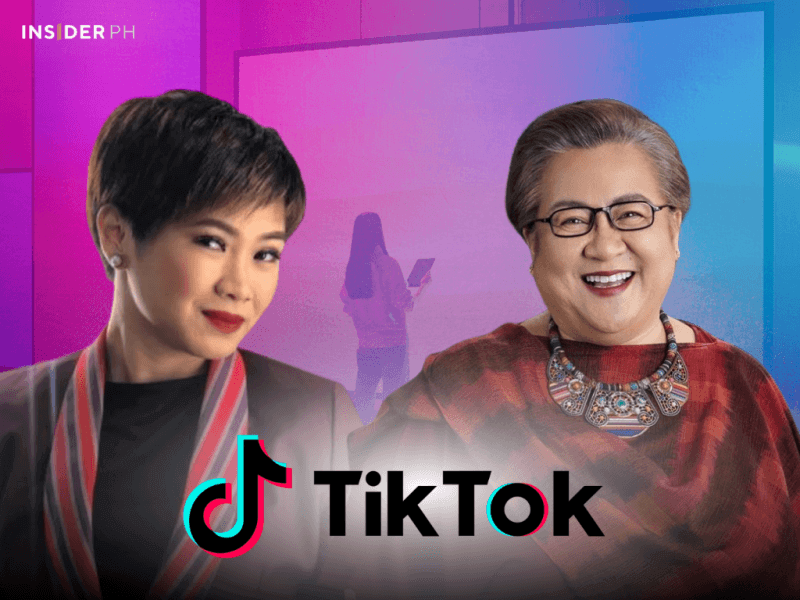
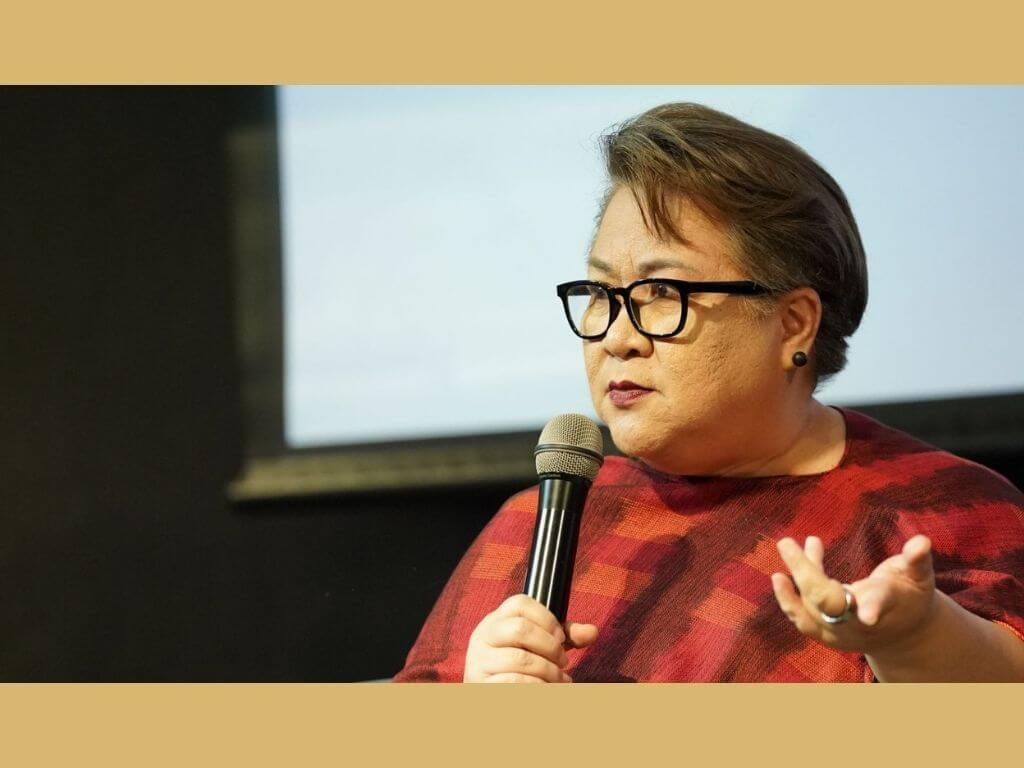
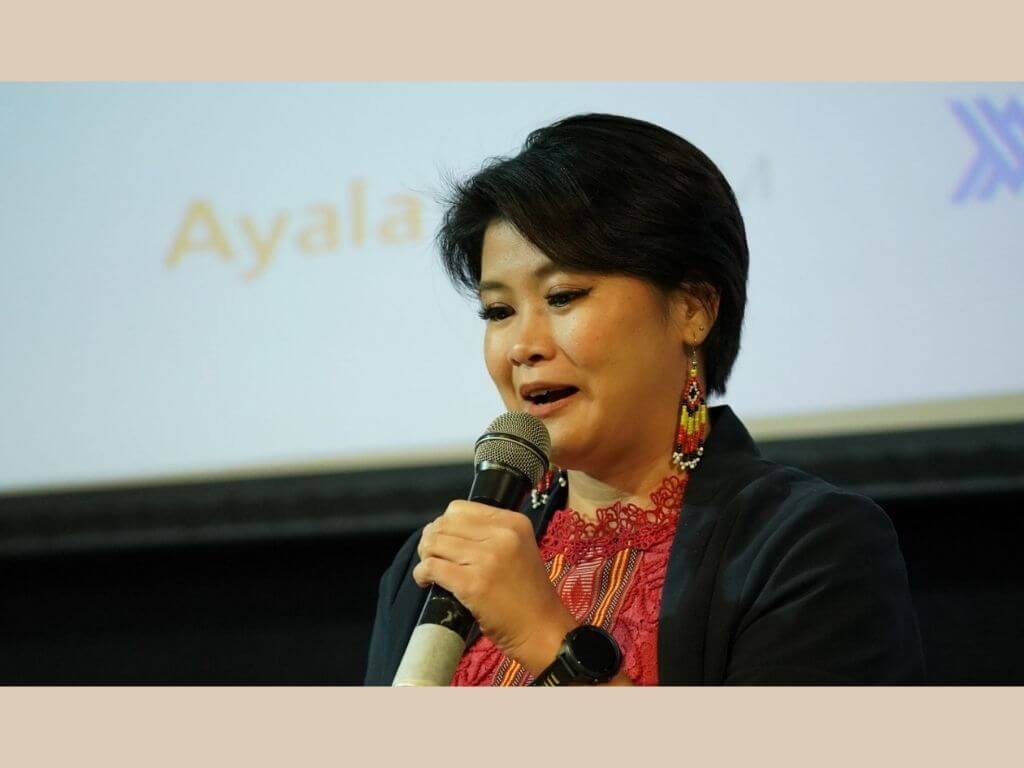
The role of social media as a gateway to learning was discussed during a panel discussion featuring former ABS-CBN journalist Jacque Manabat and historian Mona Magno-Veluz, who emphasized that educational creators can balance accessibility with accuracy.
Both speakers said they joined TikTok during the pandemic after realizing that younger generations were increasingly consuming information on social media rather than through traditional news platforms.
“I was wondering how do I translate the news for an entertainment-centered platform? And that's when I saw [Mona's] content and then I got the idea we have to be where the audience is,” Manabat said during the panel discussion.
She added that embracing social media required a shift in mindset, including learning a new approach to storytelling. The closure of ABS-CBN prompted her to rethink how to reach audiences in the digital space.
'Be cringe'
She said the way forward was to present the news in a more conversational style while remaining grounded in fact-based storytelling. Even as she adapted her approach for digital audiences, she continued to uphold newsroom principles of fact-checking, attribution and accuracy.
“I had to unlearn a lot of things. But what I learned is to ‘be cringe’ because I have to be where they are. But what I incorporated is my foundation … my learning from the newsroom: the ethics, fact-checking, attribution and resources,” Manabat explained.
Deep-dive into history
Veluz, who is known on social media as @mightymagulang, said she focuses on history and genealogy because they are subjects she has spent years studying. Short-form videos, she said, should encourage viewers to continue learning rather than replace more in-depth research.
“There were so many people that were interested in history. More so now, more people are interested in genealogy, which I love. For me, genealogy was my gateway drug into appreciating history. It is when history is relevant to you personally and your family that you really want to dive into it,” she explained.
She said successful content is not measured by whether viewers learn everything from a TikTok video but by whether it motivates them to continue exploring a topic through books, museums or primary sources.
Veluz said even if only two out of every 100 viewers become interested enough to read more or seek out primary sources, she would consider the content successful.
Beyond traditional learning
Manabat said balancing educational content with entertainment requires creators to go beyond presenting facts by helping audiences understand how information is verified and interpreted.
She added that social media also creates opportunities to present educational content in more creative ways that engage audiences beyond the traditional talking-head format.
Veluz said each generation learns differently, and education should adapt to those changing preferences rather than expecting younger audiences to learn in the same way as previous generations.
“This generation is more experiential but that doesn't mean they are incapable of learning. We just have to tap into the right way they could learn. There is no replacement for books and properly vetted resources to expand their knowledge and to establish mastery. But there is a value to short-form video, to digital content for the education of our kids,” she added.
Content Producer