Insider Spotlight
FUMC says eye health remains widely overlooked despite the growing prevalence of vision-related conditions worldwide.
While many people aim to improve overall health each year, routine eye examinations are often delayed or ignored, even though vision disorders are frequently preventable or treatable with early detection.
The big picture
FUMC is highlighting the role of modern ophthalmic technology in improving outcomes for patients with refractive errors such as myopia and astigmatism.
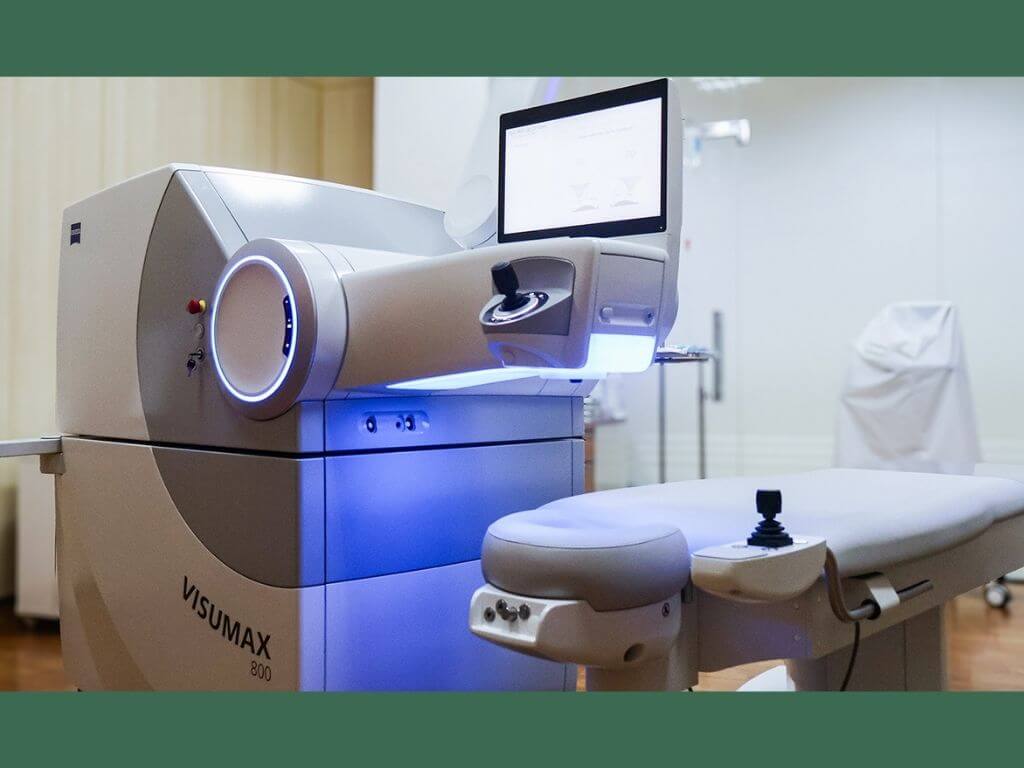
Among the center’s newest offerings is the Zeiss SMILE (Small Incision Lenticule Extraction) procedure, a minimally invasive and flapless laser surgery designed to correct vision.
The procedure uses the Carl Zeiss VisuMax 800 system, which reduces laser treatment time to roughly 10 seconds per eye.
The shorter treatment window is intended to improve patient comfort and efficiency during the procedure.
Why it matters
Refractive errors are among the most common eye conditions globally. Left uncorrected, they can affect productivity, learning, and overall quality of life.
Unlike traditional laser vision correction procedures that involve creating a corneal flap, Zeiss SMILE removes a small piece of tissue through a tiny incision.
According to FUMC, the approach helps maintain corneal stability and may lower the likelihood of dry eye symptoms after surgery.

How the process works
Before any procedure is performed, FUMC requires patients to undergo a series of diagnostic tests to ensure safety and eligibility.
Candidates must be at least 18 years old, when vision changes are generally more stable.
Screening includes subjective refraction testing using the Nidek Index RT 6100 to evaluate refractive errors and check for cataracts.
Retinal imaging using Nikon Optos California is used to rule out retinopathy or optic nerve conditions. Meanwhile, a Pentacam dry-eye and corneal analysis helps detect issues such as keratoconus or insufficient corneal thickness.
What’s next
FUMC says the full patient journey—from eye examination to corrective surgery—can potentially be completed within a single day, streamlining treatment for patients seeking vision correction.
The hospital hopes that increased awareness of routine eye check-ups and modern laser procedures will encourage more Filipinos to prioritize long-term eye health. —Vanessa Hidalgo | Ed: Corrie S. Narisma