The appeal follows the deposit of about $50.71 million into the provincial government's trust fund account in October 2026, making substantial funds available for environmental rehabilitation and remediation, subject to legal and administrative requirements.
Why it matters
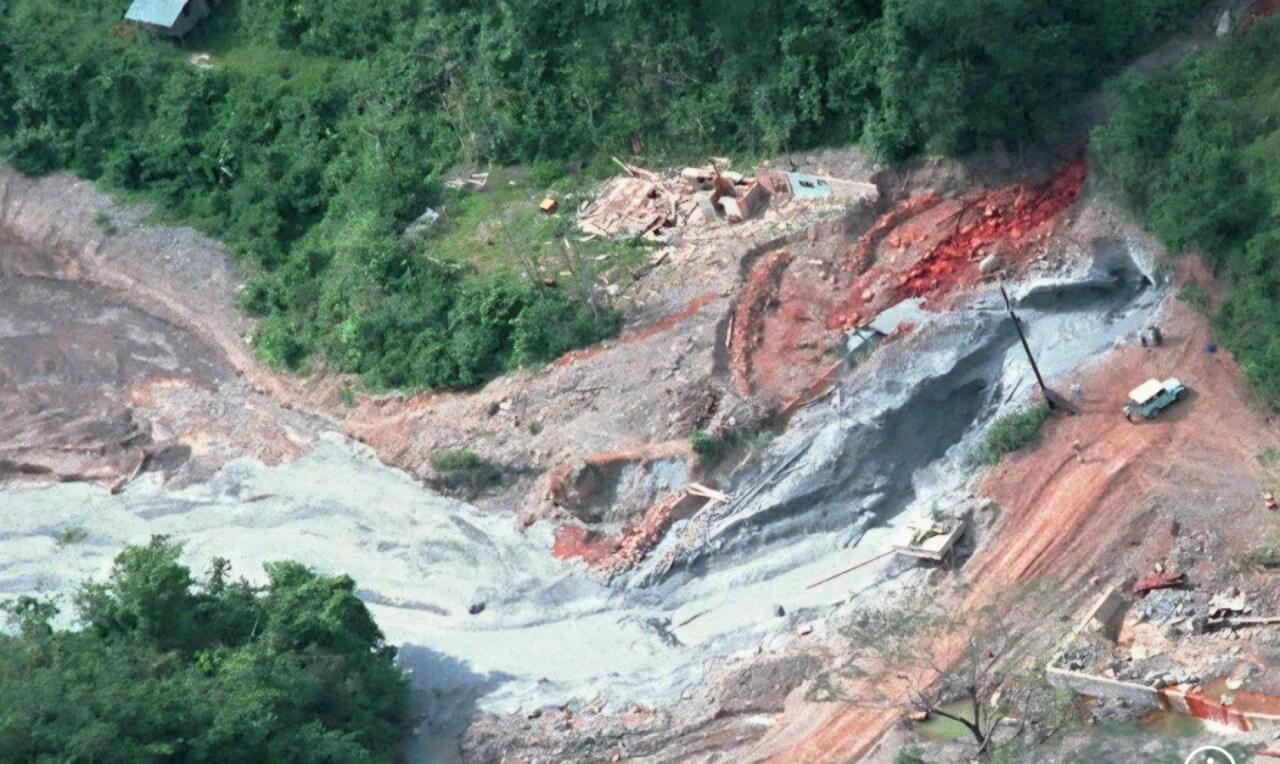
Nearly three decades after the March 1996 Marcopper mining disaster, affected communities continue to face environmental risks involving contaminated waterways, damaged agricultural lands and mining-related structures.
MACEC, a nongovernment organization advocating environmental protection and social justice, said the settlement offers an opportunity to address longstanding environmental problems and support the recovery of affected communities.
"Thirty years is justice overdue. Our communities have suffered enough and continue to face environmental degradation that threatens their health, safety and livelihoods," MACEC board of trustees chair Father Arvin J. Madla said in a statement.
Call for action
Madla urged the provincial government to convene the Provincial Rehabilitation and Remediation Oversight Committee and begin preparing a comprehensive rehabilitation master plan.
"We appeal to the governor to be part of the solution by convening the Provincial Rehabilitation and Remediation Oversight Committee. We must begin the necessary planning, environmental assessments and implementation of a rehabilitation master plan to ensure that the settlement funds are used effectively and responsibly," he added.
Among the priority concerns are the Maguila-guila and Makulapnit dams, which Madla said require urgent technical assessments to determine their structural integrity and potential risks to nearby communities.
He also called for the rehabilitation of waterways affected by mine waste and measures to address continuing threats to agriculture, public health and local livelihoods.
Settlement details
The March 1996 Marcopper mining disaster caused extensive environmental damage in Marinduque, affecting rivers, farmlands and communities dependent on natural resources.
Following years of litigation and negotiations, the province reached a $100-million settlement with Barrick, which the Court of Appeals approved in October 2025.
Under the agreement, the settlement is payable in installments over three years.
The initial payment of $50.71 million was deposited in October 2026, although fund utilization remains subject to applicable legal and administrative requirements.
Accountability matters
MACEC stressed the need for clear rehabilitation priorities, implementation schedules and transparent mechanisms for managing settlement proceeds.
Madla said outstanding issues should be resolved without unnecessarily delaying rehabilitation.
"We respect the legal processes and recognize the importance of transparency and accountability. But we also hope that outstanding issues can be resolved without unnecessary delay," he said.
He emphasized that rehabilitation efforts should remain consistent with the environmental objectives of the earlier petition for a writ of kalikasan.
"The true measure of justice will not be the size of the settlement alone, but whether the funds are properly utilized for their intended purpose," Madla said.
"After nearly 30 years, the people of Marinduque deserve to see justice translated into concrete, lasting improvements in environmental safety and community well-being." —Ed: Corrie S. Narisma