
The corporate social responsibility arm of Cebu-based Vivant Corp. recently turned over a 3.78-kilowatt-peak rooftop solar photovoltaic (PV) system to the Anini-y Rural Health Center in Antique and electrical installation and solar technology training equipment to Anilao National High School in Iloilo.
The foundation also donated a library package to San Ramon Elementary School in Anini-y to help improve access to reading materials and support literacy development among young learners.
The initiatives form part of Project Liadlaw, Vivant Foundation's flagship renewable energy and education program, which initially focused on providing solar power to off-grid and underserved public schools on Bantayan Island in Cebu.
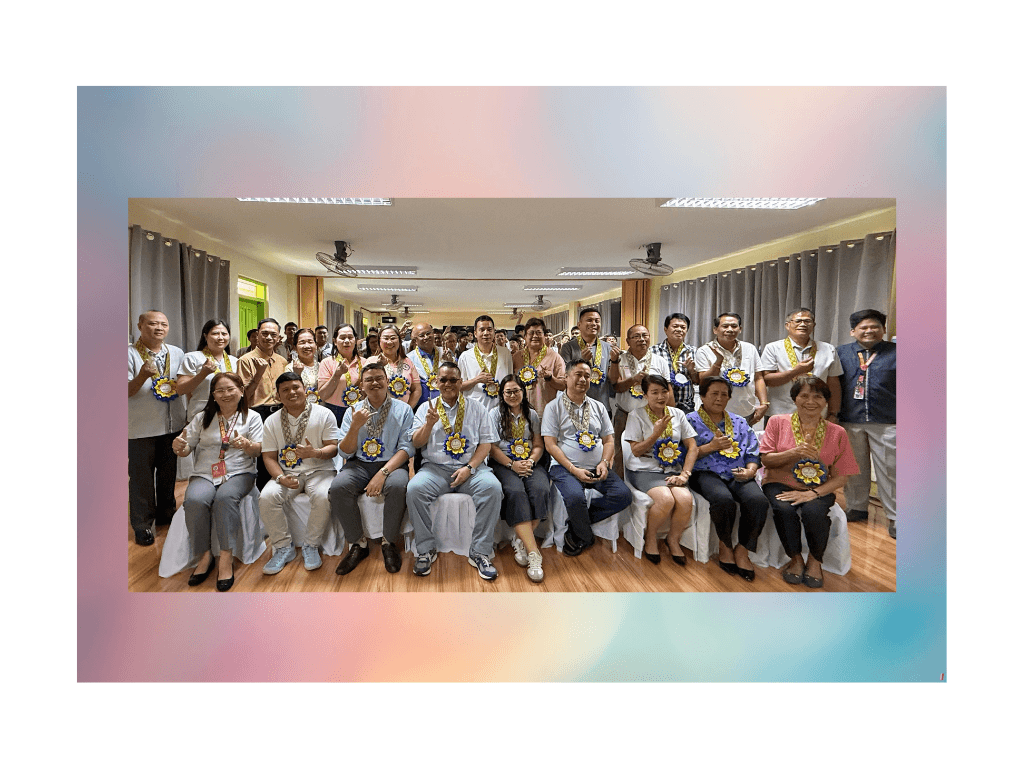
Renewable energy skills
At Anilao National High School, the foundation donated Technical Education and Skills Development Authority (TESDA)-standard Electrical Installation and Maintenance (EIM) and solar PV tools and equipment.
The assistance includes retrofitting the school's EIM laboratory and providing solar PV training for teachers to strengthen practical instruction under its Technical-Vocational-Livelihood (TVL) track.
The initiative is expected to help students develop technical competencies in electrical installation and renewable energy technologies, preparing them for employment opportunities in the growing clean energy sector.
Anilao National High School principal Ana Liza S. Apura said the equipment would improve students' access to practical training.
“This support will greatly enhance our Technical-Vocational-Livelihood program by giving our students access to industry-standard tools and equipment. It will strengthen hands-on learning and better prepare them for careers in electrical installation and solar technology,” she said.
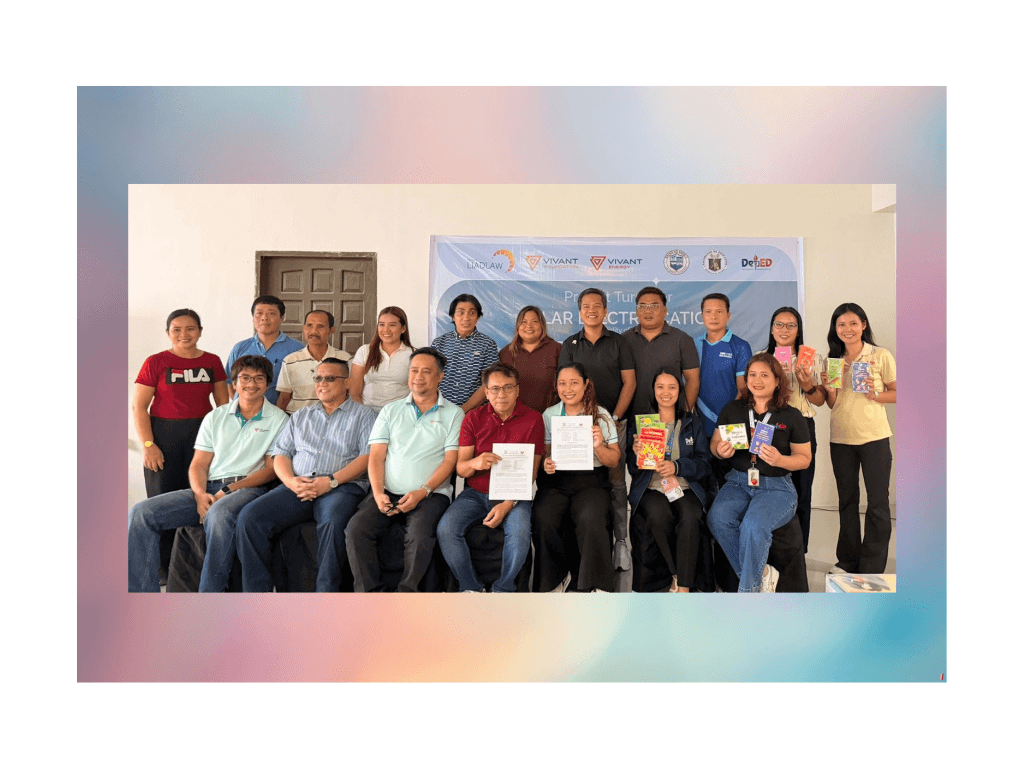
Healthcare support
In Antique, the rooftop solar installation at the Anini-y Rural Health Center is designed to provide daytime electricity for clinical operations and medical equipment while helping the municipality reduce electricity expenses.
The system is expected to support the delivery of essential healthcare services, particularly in a rural community where dependable electricity is important for medical operations.
Anini-y Mayor Maxfil B. Policar welcomed the project, citing its potential to improve the health center's operations.
“Reliable electricity is essential to delivering quality healthcare, especially in our rural communities. This solar power system will help our health center operate more efficiently while allowing us to reduce electricity costs. We are grateful to Vivant Foundation for this partnership and for supporting the well-being of our constituents,” he said.
Vivant Foundation assistant vice president Benjamin Chiu said the projects were designed to respond to specific community needs.
“What makes these projects meaningful is that they address real community needs. In Anilao, we're helping equip students with practical skills for an evolving energy sector. In Anini-y, we're helping ensure that essential health services have a more reliable source of electricity. These are investments that we hope will continue to benefit the communities for many years,” Chiu said.
Expanding reach
Beyond renewable energy installations, Project Liadlaw has evolved to include technical education and support for essential public services.
Working with the Department of Education and TESDA, the foundation has integrated solar technology into EIM training, allowing students to acquire renewable energy skills while helping schools maintain their solar systems.
Vivant Foundation executive director Shem Jose Garcia said the expansion reflects the program's broader development objectives.
“Project Liadlaw has grown beyond providing solar power to schools. Today, it is also helping prepare young learners for careers in renewable energy while supporting public facilities that communities rely on every day,” Garcia said.
The foundation said the initiatives seek to create lasting community benefits by combining renewable energy access, skills development and educational support. —Ed: Corrie S. Narisma