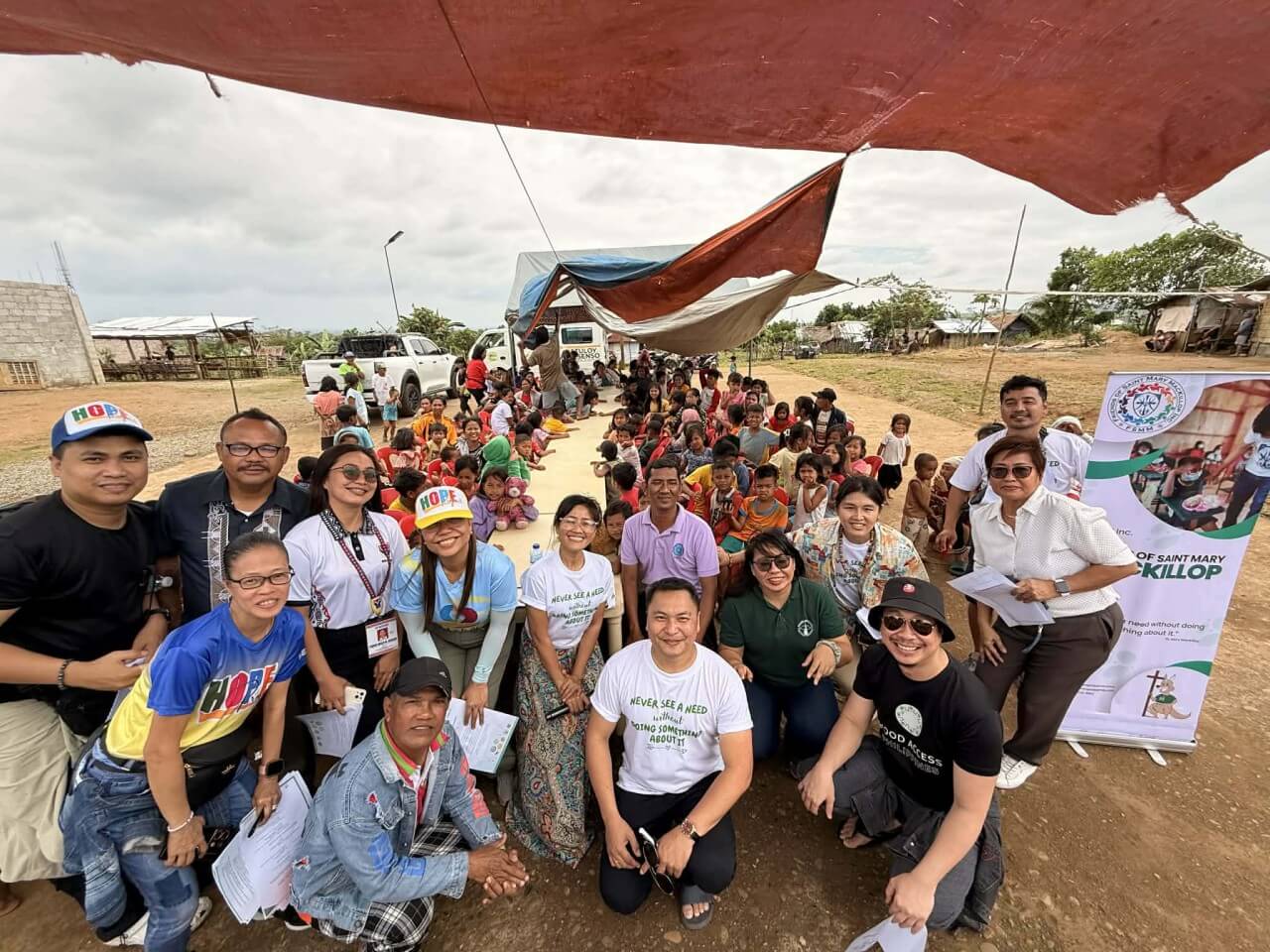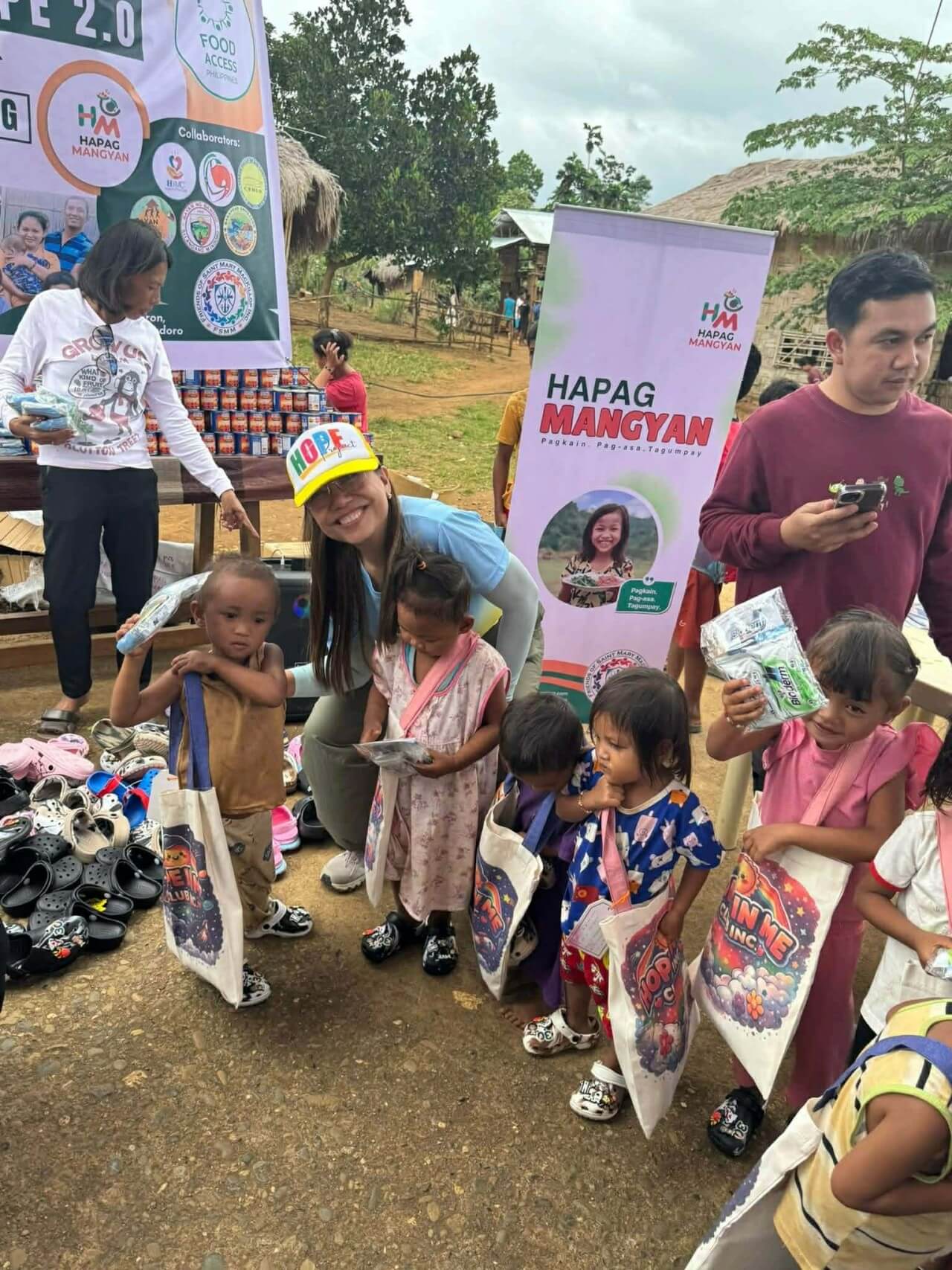
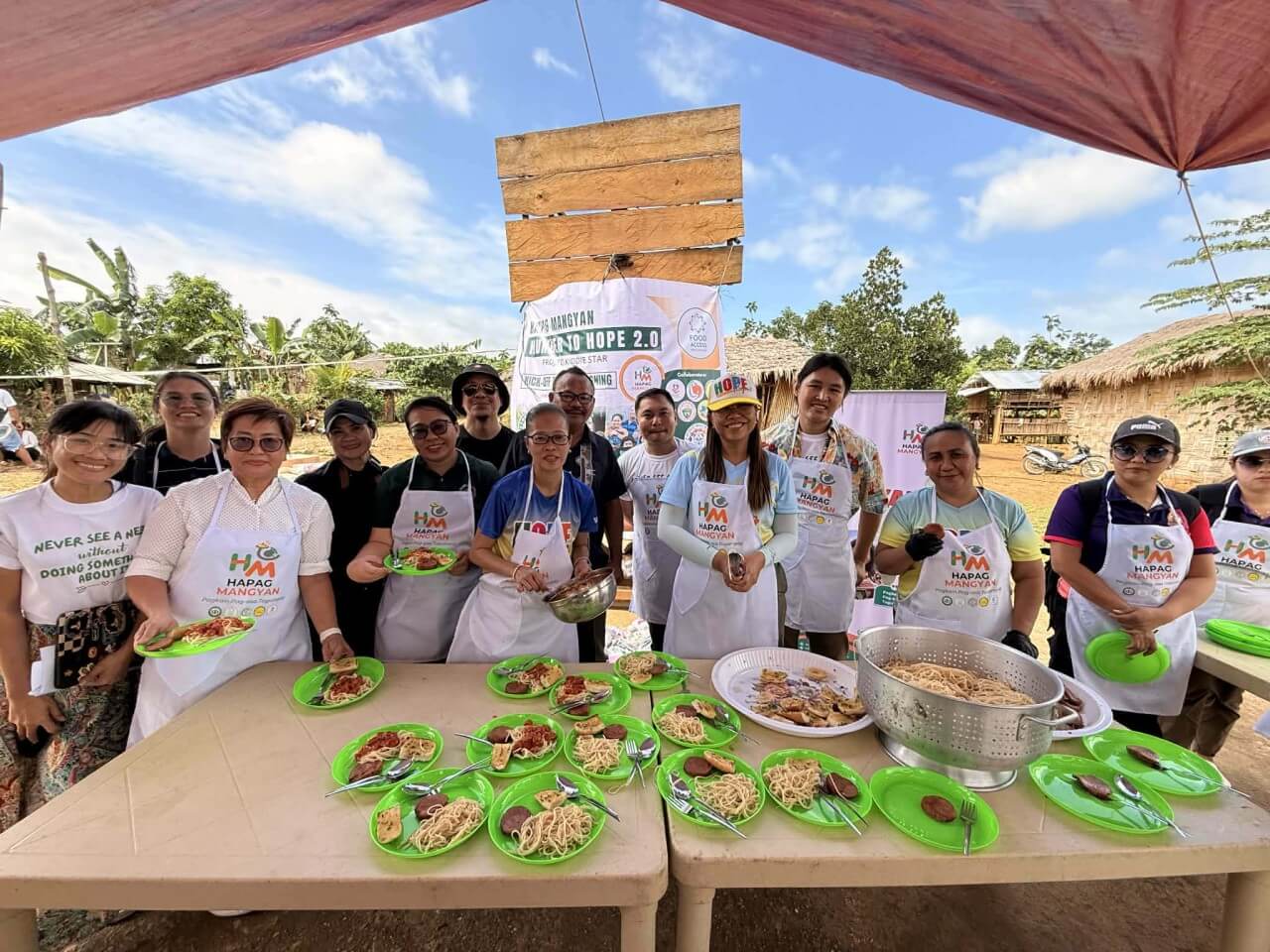
On Feb. 2, Hapag Mangyan Hunger to Hope 2.0 Project Kiddie Star was formally launched in Bansud, Oriental Mindoro by a coalition led by Friends of Saint Mary MacKillop Inc., together with De La Salle Brothers Inc. Social Action Unit Tulong Lasalyano and Food Access Philippines Inc.
The local government unit of Bansud participated as a key institutional partner, underscoring local government support for the initiative.
The project focuses on Mangyan children aged two to five years, integrating daily nutrition support with early learning interventions.
Why it matters
Hunger remains a persistent barrier to education in the Philippines. Findings from EDCOM II identify food insecurity as a major reason children drop out of school, particularly in geographically isolated and disadvantaged areas.
Among indigenous groups such as the Mangyan tribes, inadequate nutrition directly affects children’s physical health, cognitive development, and readiness to learn.
What’s happening
The project launch was marked by the signing of a Memorandum of Understanding, witnessed by the Local Government Unit of Bansud through Municipal Social Welfare and Development officer Violeta A. Nazareno.
The ceremony, held at Sitio Yugo, Barangay Conrazon, was also attended by Dr. Maria Christina Alberto, founder of Hope in Me Club, Inc., and barangay officials led by barangay captain Wilson Mirano, highlighting strong community and grassroots backing.
“Hunger robs children not only of food, but of their chance to learn, dream, and grow,” said Fr. Dean Klayford Bongat, founder of Friends of Saint Mary MacKillop Inc.
“Through Hapag Mangyan Hunger to Hope 2.0, we are transforming shared responsibility into shared meals, ensuring that food becomes a bridge to education, dignity, and hope for Mangyan children.”
Between the lines
According to a press material released by the project partners, HAPAG MANGYAN Hunger to Hope 2.0 is positioned as a collaborative model that shows how coordinated action across sectors can deliver practical responses to hunger and early childhood illiteracy in indigenous communities.
How it works
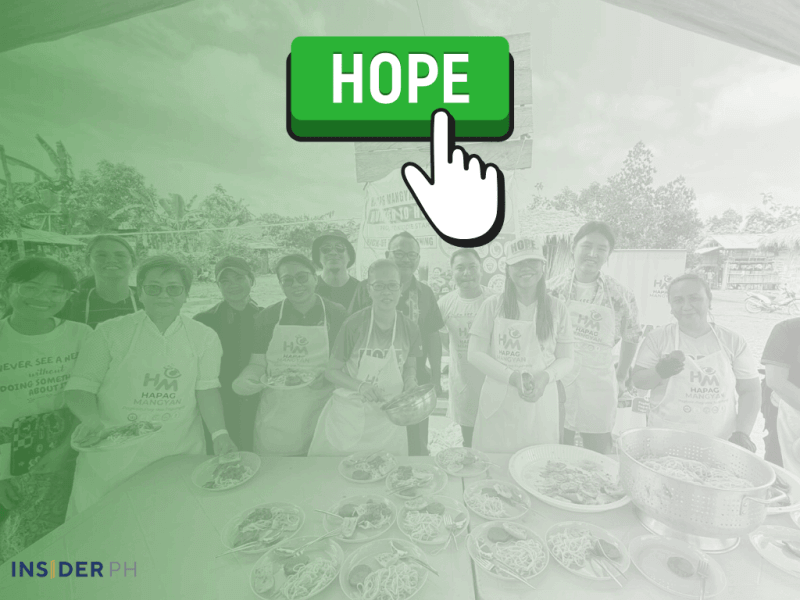
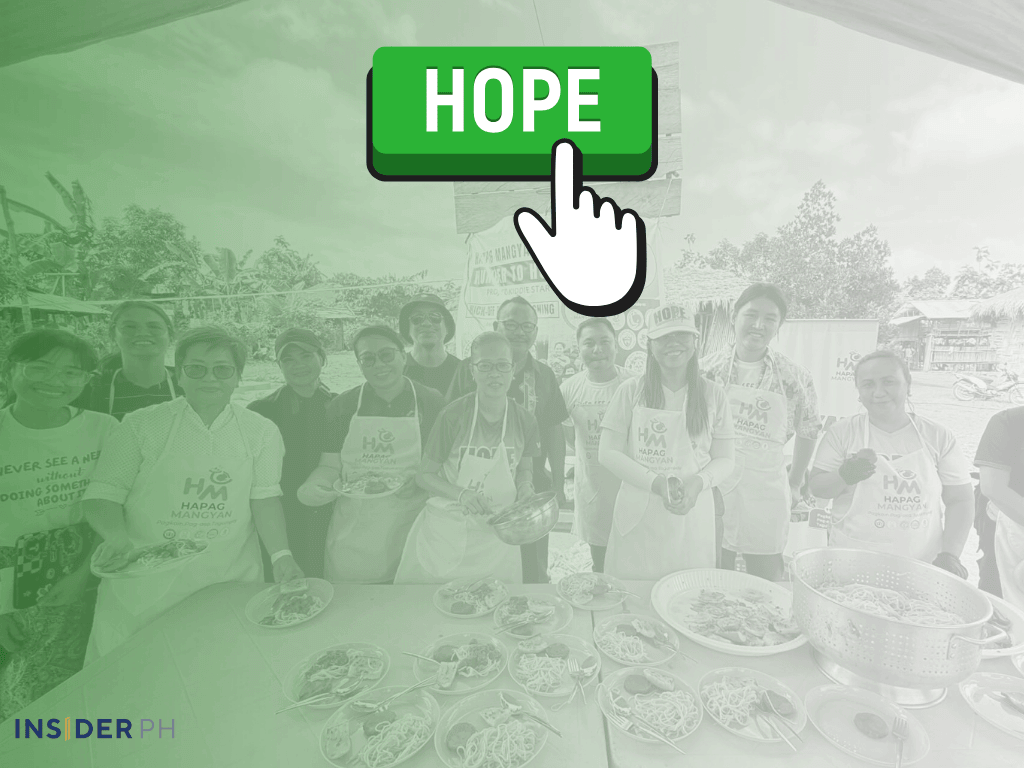
Project Kiddie Star features a daily share-a-meal program that provides nutritious food to young Mangyan children. Meals are sourced from recovered surplus food donated by partner companies, consisting of items nearing expiration but still safe for consumption.
The approach addresses food insecurity while reducing food waste and supporting early learning.
The bottom line
By aligning the efforts of faith-based groups, advocacy organizations, health professionals, and local government units, the initiative demonstrates how collaboration can turn excess into opportunity and give Mangyan children a healthier and more hopeful start in life. —Princess Daisy C. Ominga | Ed: Corrie S. Narisma